The USDA updated its Plant Hardiness Zone Map for the first time in 11 years.
If you’re a gardener of any kind — a sprawling backyard, a cozy balcony, or a sunny stoop — this is a big deal because the updated map offers new plant possibilities for your area. These changes are exciting, but before you go buying out your local nursery, let’s discuss the limits and nuances of this new map.
What is the Plant Hardiness Zone Map?
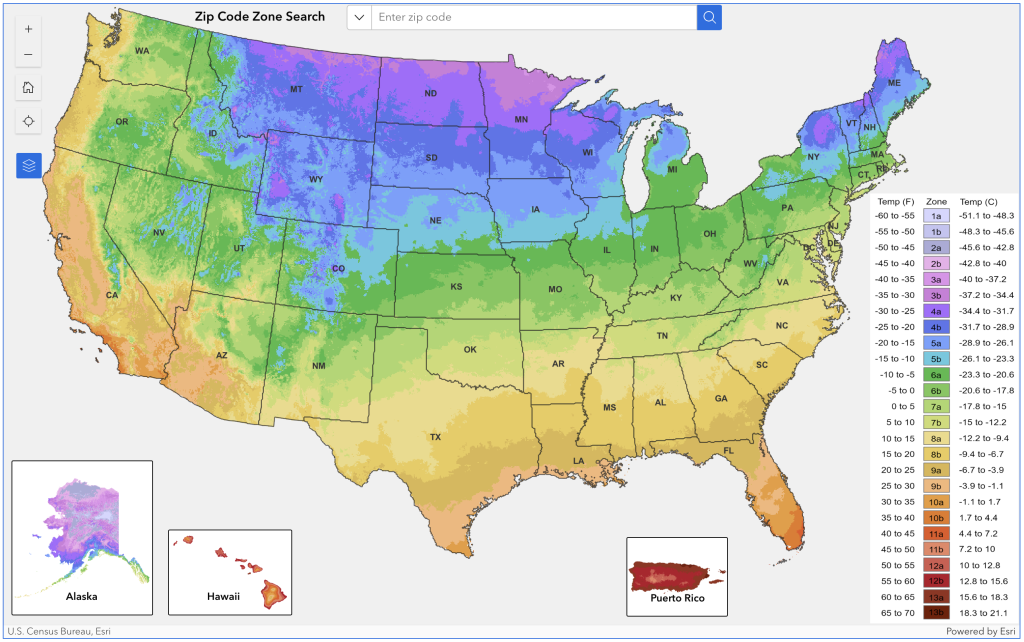
The Plant Hardiness Zone Map is a helpful tool for gardeners and farmers alike. It divides the United States into zones based on the average annual minimum winter temperature. Just type in your zip code, and the map tells you your zone (both what it was and what it changed to in 2023).
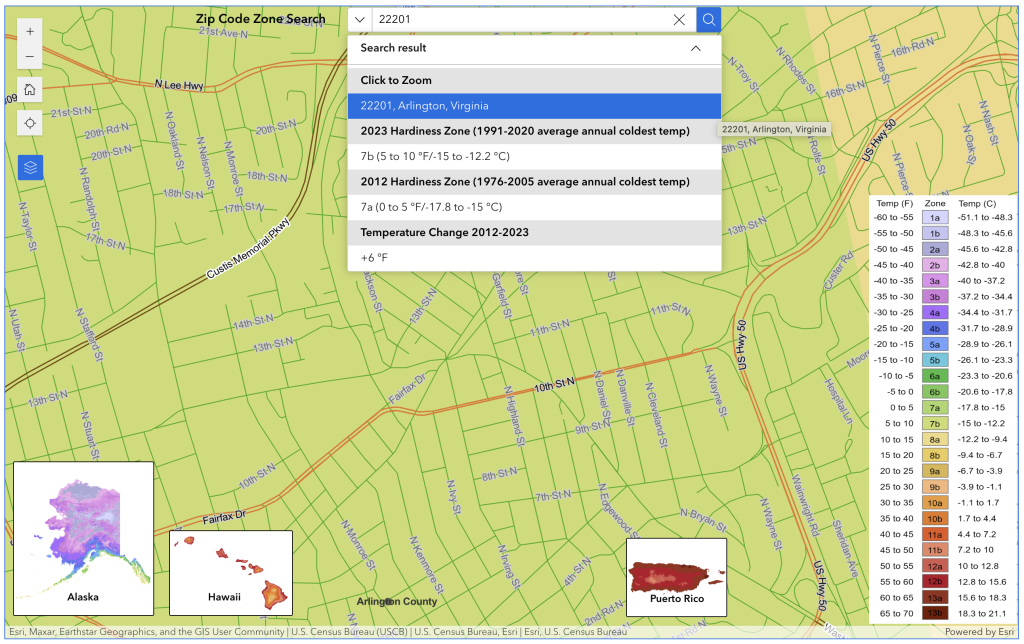
Use the information from the maps to learn which plants are most likely to thrive in your area.
What’s New in the Updated Map?
The new map reflects more recent climate data and advanced mapping techniques for more precise zone boundaries. Here are some key changes:
- More Zones: The updated map includes additional zones and subzones, providing a finer gradient of temperature differences. This helps gardeners make even more informed decisions about plant selection. Just look at the different subzones right here in the DMV!
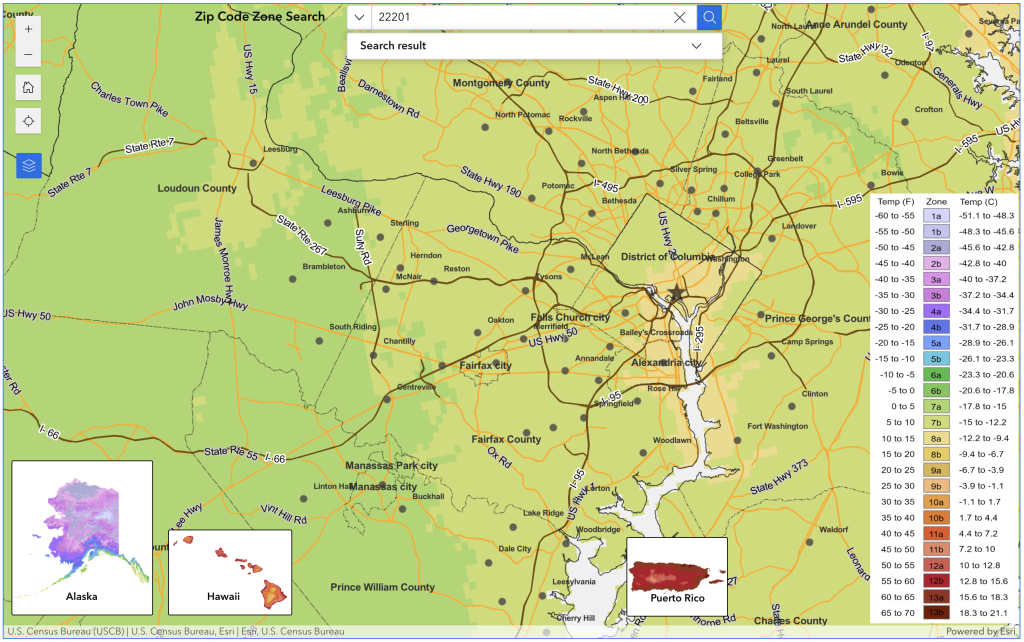
- Shift in Zones: Many areas have experienced a shift in their zones, generally moving to a warmer classification. This shift reflects the gradual changes in climate patterns over the past decade.
- Better Resolution: The new map offers a higher resolution, meaning it considers local variations in climate more accurately. Factors like urban heat islands and elevation changes are better represented.
New Possibilities for Your Garden
With these updates, many gardeners may find they can grow plants previously thought unsuitable for their area. Here’s what this could mean for your garden:
- Expanded Plant Choices: Warmer zones mean you can experiment with a broader variety of plants, including those traditionally grown in milder climates. Imagine growing citrus trees in areas previously too cold or enjoying a wider selection of perennials.
- Longer Growing Seasons: A warmer zone classification might also indicate a longer growing season. This means more time to cultivate and harvest your favorite crops.
- Enhanced Garden Resilience: Understanding your precise zone helps you choose plants better adapted to your local conditions, making your garden more resilient to temperature extremes and climate fluctuations.
Getting Started with the New Map
- Find your updated zone using the USDA’s online tool. This will give you a clear understanding of your area’s average minimum temperatures.
- Research suitable plants by looking for plants recommended for your zone. Local nurseries and gardening groups can also be excellent resources for discovering what thrives in your updated zone.
- Don’t be afraid to experiment with new plants because specific locations could have microclimates — areas that differ from the surrounding climate zone due to factors like wind patterns, proximity to water bodies, or urban development. If a plant seems like it might do okay, I say give it a shot!
- Use the map as a jumping point, but consider other factors. Climate is just one aspect of successful gardening. Soil quality and water availability are important to the health of your plants. Ensure your garden’s soil is suitable for the plants you choose, and plan for their hydration needs.
Whether you’re growing herbs on a balcony or cultivating a full vegetable garden, understanding your climate zone can lead to a healthier, happier garden!
Has the updated map changed your gardening plans? I’d love to hear from you!
Happy Gardening!

Pragya Mishra is the Founder and Principal of Artscapes, LLC, a Northern Virginia-based landscape architecture firm that specializes in designing outdoor transformations that bring you joy. With 22 years of professional experience, she works closely with each client and her network of top-tier contractors to make each project vision a reality. Follow Artscapes on Instagram @artscapes_living and see examples of past projects on her website, artscapesliving.com.