If you are looking for a place that feels both timeless and lively, Middleburg stands out right away. You may be drawn to horse country, weekends in wine country, or a walkable village with real character, but it can be hard to know how those pieces fit together in daily life. This guide will help you understand what makes Middleburg so distinctive, what kinds of buyers it tends to attract, and why its appeal goes well beyond a postcard view. Let’s dive in.
Why Middleburg feels so unique
Middleburg is a compact village in Loudoun County with a long history of welcoming visitors. The town notes that it has hosted guests for more than 250 years, and that sense of history still shapes the experience today.
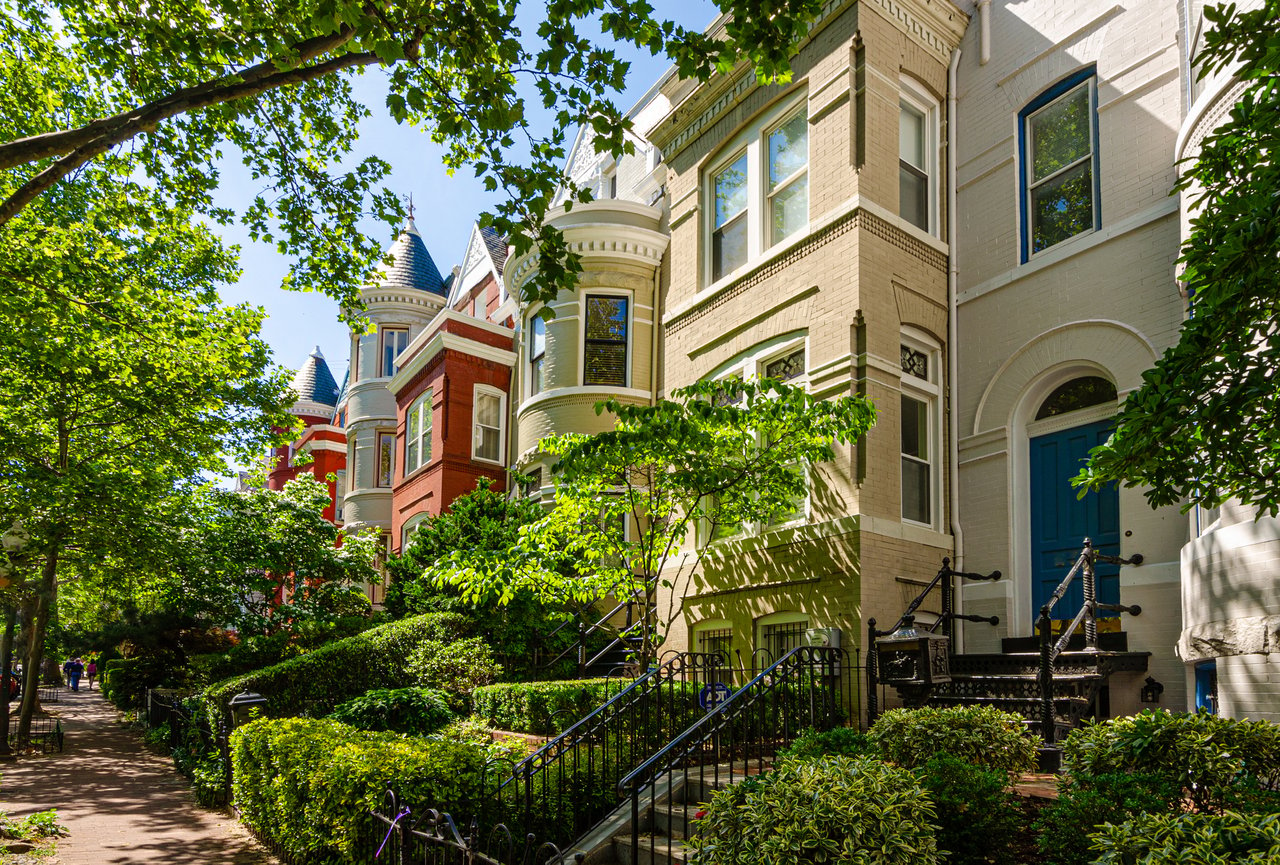
The historic district is less than a mile long, which gives the center of town an intimate, easy-to-explore feel. Exterior changes within the district require review, and that helps preserve the village’s brick-lined streets and historic look.
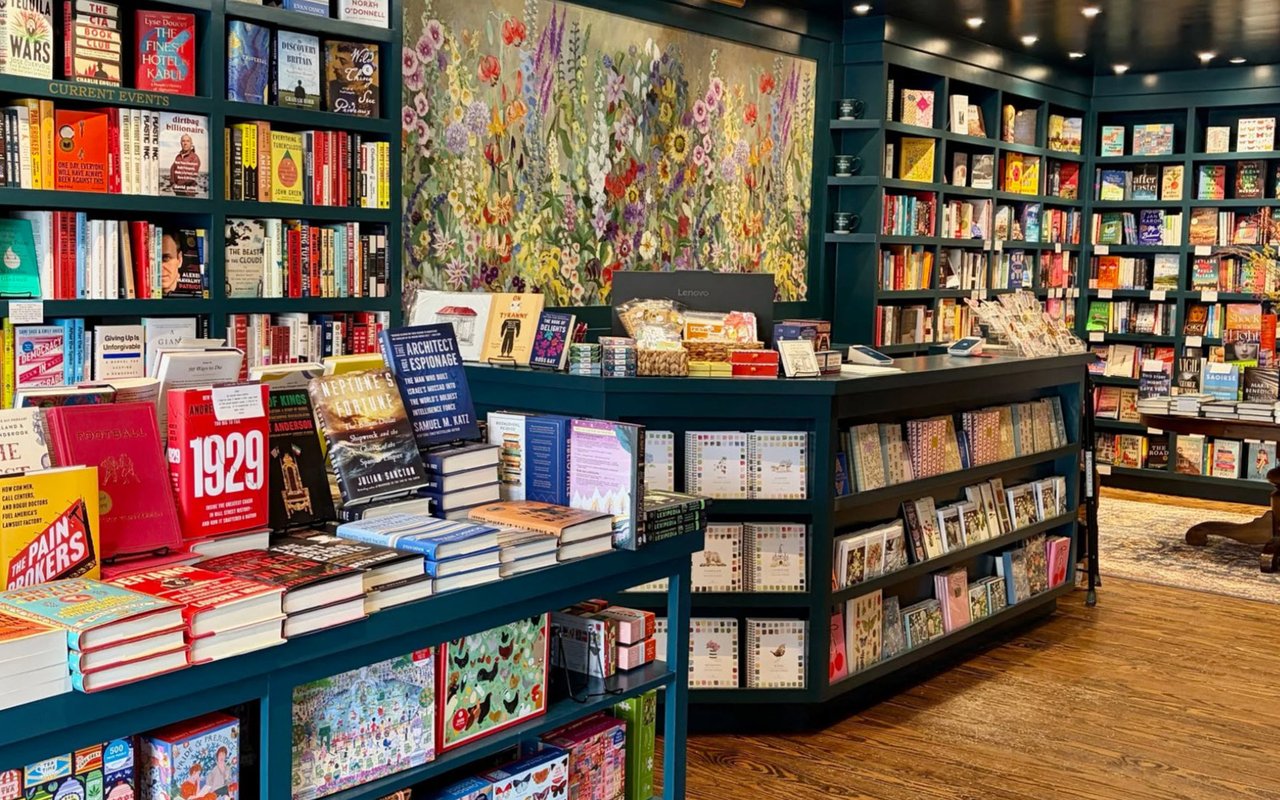
Virginia Tourism describes Middleburg as a quintessential 18th-century town, and that description fits. You get boutiques, galleries, restaurants, and a village center that feels connected to the surrounding countryside rather than separated from it.
Equestrian culture shapes daily life
Middleburg is widely known for its equestrian identity. The town says it earned its reputation as the Nation’s Horse and Hunt Capital after foxhunting and steeplechasing became central to local life.
That heritage is not just part of the past. It still shows up in the landscape, the event calendar, and the kinds of properties that attract buyers to the area.
Signature horse events in Middleburg
Middleburg’s equestrian calendar gives the town a clear rhythm each year. The Middleburg Spring Races describe themselves as Virginia’s oldest steeplechase, and the Middleburg Hunt Point-to-Point is another major local tradition.
The broader hunt-country scene adds even more depth. The Upperville Colt & Horse Show, held nearby, identifies itself as the oldest horse show in America and strengthens the area’s standing as a destination for horse enthusiasts.
Equestrian culture beyond event days
In Middleburg, horse culture is not limited to a few weekends on the calendar. It shapes the surrounding countryside through farms, open land, riding facilities, and a long-established sporting tradition.
The National Sporting Library & Museum adds another layer to that identity. Founded in 1954 in Middleburg, it focuses on equestrian, angling, and field sports through collections and public programming.
Wine country adds another dimension
Middleburg also benefits from its position within Loudoun County, which promotes itself as DC’s Wine Country. The county highlights more than 50 wineries and tasting rooms, along with scenic vineyards and historic towns.
For you as a buyer or future resident, that means the lifestyle is broader than one single theme. You are not choosing between equestrian culture and food-and-wine experiences. In Middleburg, those worlds often sit side by side.
Wineries and tasting experiences near Middleburg
Around Middleburg, several wineries emphasize the area’s countryside setting. Boxwood Estate Winery, Greenhill Winery & Vineyards, and Cana Vineyards are known for horse-country, hilltop, and farm environments.
You also have options that expand the experience beyond wine tasting. Lost Barrel Brewing is a farm brewery set on a 70-acre horse farm, and Gold Cup Wine Bar offers an upscale in-town setting for wine and cocktails.
Countryside leisure with village convenience
One of Middleburg’s biggest strengths is balance. You can enjoy scenic open space and destination-style experiences while still having a walkable village core for dining, shopping, and community events.
Salamander Middleburg reflects that blend especially well. The property spans 340 scenic acres, includes an equestrian center and a 22-stall stable, and offers access to the village by foot, bike, or carriage.
Village charm is more than aesthetics
It is easy to notice Middleburg’s beauty first, but the real draw is how usable the village feels. A preserved downtown is valuable, but what matters even more is that the area remains active across the year.
The town’s event calendar helps keep that energy going. Rather than feeling like a place that only comes alive on select weekends, Middleburg offers seasonal traditions and community events throughout the year.
Seasonal events that keep Middleburg active
Middleburg’s calendar includes:
- Spring races and point-to-point steeplechasing
- Summer events such as Independence Day and National Night Out
- Fall Oktoberfest
- Winter traditions including Jingle in the Burg and Christmas in Middleburg
- Community events like Art in the Burg, Middleburg Day, Juneteenth, and sidewalk sales
That steady cadence gives residents and visitors reasons to return to the village center in every season. It also supports the sense that Middleburg is a lived-in community, not just a scenic stop.
What attracts buyers to Middleburg
From a real estate perspective, Middleburg tends to appeal to several buyer types at once. The common thread is lifestyle, but the specific priorities can look very different depending on how you plan to use the property.
Some buyers want acreage and equestrian facilities. Others want a weekend retreat within reach of Washington. Others are focused on village walkability and a preserved sense of place.
Estate buyers
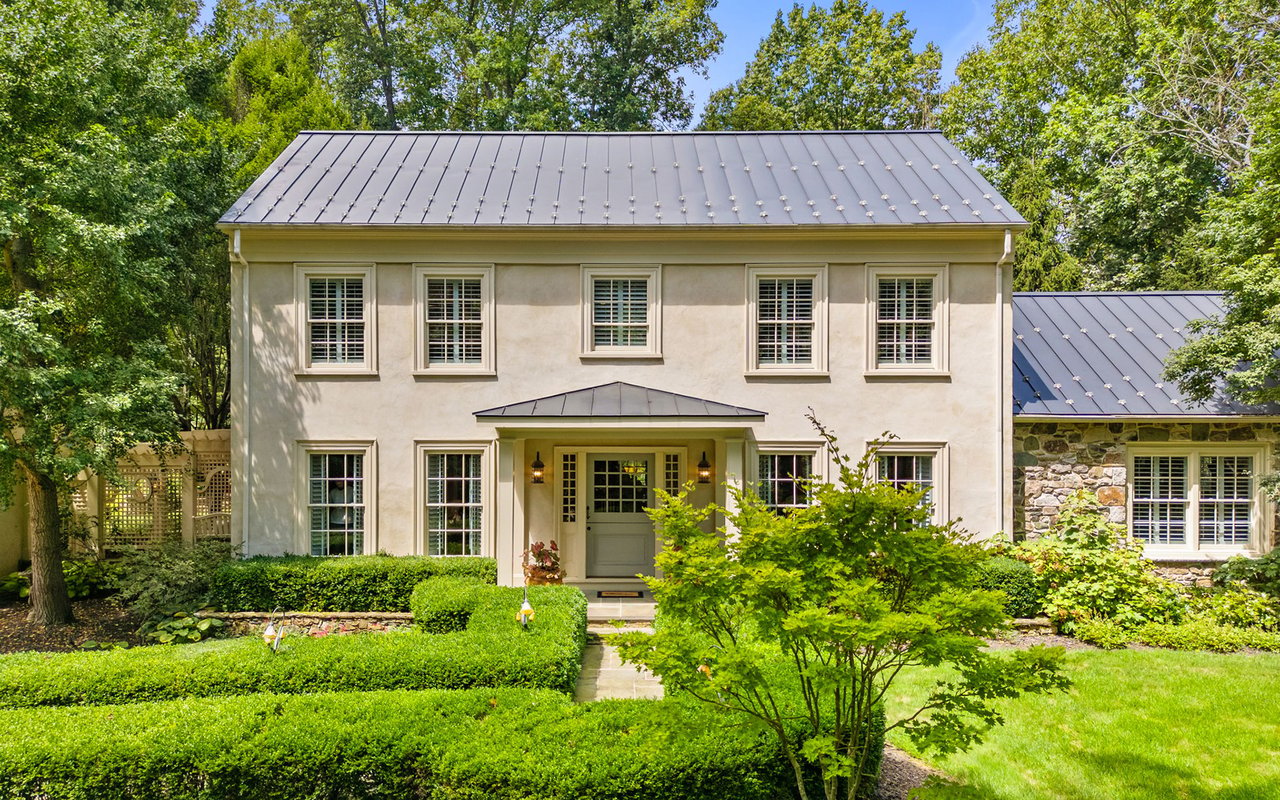
If you are searching for a larger countryside property, Middleburg’s appeal often starts with privacy and land. The area’s equestrian identity also makes horse facilities, riding access, and estate scale especially relevant for some buyers.
In these cases, the setting itself becomes part of the value. Open views, established farms, and a location tied to Virginia hunt country can all shape buying decisions.
Second-home buyers
Middleburg is also attractive if you want a place that feels like a getaway without requiring long travel times. The village offers a built-in social calendar, dining options, tasting experiences, and a strong sense of occasion throughout the year.
That mix can make ownership feel immediately usable. Instead of waiting to “discover” the area after your purchase, you arrive at a place with an established lifestyle already in motion.
Lifestyle-focused buyers
Some buyers are less focused on acreage and more focused on everyday experience. For them, the appeal is the ability to enjoy a compact historic core, local restaurants and shops, and regular community events in a setting that still feels connected to open countryside.
That combination is hard to replicate. Middleburg gives you village-scale charm without losing the identity of the surrounding rural landscape.
Access matters more than you might think
Lifestyle is a major part of Middleburg’s appeal, but location matters too. The area offers a meaningful sense of escape while remaining within reach of the broader Washington region.
Salamander Middleburg says the village is about 40 miles west of Washington, D.C., and roughly 35 minutes from Dulles. The National Sporting Library & Museum places Middleburg about 42 miles from Washington.
For many buyers, that level of access helps Middleburg work as either a primary residence or a second home. You can enjoy a more rural and historic setting without feeling entirely cut off from city connections.
How to think about a move to Middleburg
If Middleburg is on your radar, it helps to be clear about what you want most from the area. Different parts of the market may align with very different goals, even when they share the same village address or hunt-country identity.
A helpful way to start is by asking yourself:
- Do you want walkability to the historic core?
- Do you want acreage, privacy, or equestrian features?
- Will this be a full-time home or a weekend retreat?
- How important is quick access to Dulles or Washington?
- Are local events, wineries, and dining central to your lifestyle goals?
Your answers can shape everything from property type to location strategy. In a place like Middleburg, lifestyle fit is just as important as square footage.
Why local guidance matters here
Middleburg is not a one-note market. Village homes, countryside properties, and equestrian estates can appeal for very different reasons, and understanding those differences is important whether you are buying or selling.
That is where local insight becomes especially valuable. A buyer looking for weekend convenience may evaluate the area differently than a buyer focused on land, privacy, and horse facilities, and a seller benefits from positioning a property around the lifestyle it actually delivers.
If you are considering a move to Middleburg or preparing to sell there, working with a brokerage that understands both the village and the wider hunt-country market can make the process much more informed. To explore your options, connect with Corcoran McEnearney for a local market consultation.
FAQs
What is Middleburg, Virginia known for?
- Middleburg is known for its equestrian culture, preserved historic village, seasonal events, and location within Loudoun County’s wine country.
What makes Middleburg appealing to homebuyers?
- Buyers are often drawn to Middleburg for its walkable historic core, rural surroundings, horse-country identity, seasonal community calendar, and access to Washington, D.C., and Dulles.
What equestrian events are associated with Middleburg?
- Middleburg is associated with events such as the Middleburg Spring Races and the Middleburg Hunt Point-to-Point, with the nearby Upperville Colt & Horse Show adding to the area’s equestrian profile.
What wine and brewery options are near Middleburg?
- The area around Middleburg includes wineries such as Boxwood Estate Winery, Greenhill Winery & Vineyards, and Cana Vineyards, along with Lost Barrel Brewing and Gold Cup Wine Bar.
How far is Middleburg from Washington, D.C.?
- Sources in the research place Middleburg about 40 to 42 miles west of Washington, D.C., with one local hospitality source also noting roughly 35 minutes to Dulles.
What kinds of properties attract buyers in Middleburg?
- Depending on your goals, Middleburg can appeal for village homes, second-home opportunities, larger estate properties, and land or equestrian-oriented properties.