Ever wonder how one part of Washington can feel fast-paced and urban on one block, then leafy and quiet a few minutes later? That contrast is a big part of what makes everyday life in Northwest DC so appealing. If you are thinking about moving to NW DC, or simply want a clearer picture of what daily life looks like here, this guide will walk you through the homes, parks, culture, and routines that shape the area. Let’s dive in.
NW DC feels like many neighborhoods
Northwest DC is best understood as a collection of distinct neighborhoods, not one large area with a uniform feel. Because Washington does not have official neighborhood boundaries, the character of Northwest DC often changes gradually from one commercial corridor or residential pocket to the next.
That is why everyday life can feel so different depending on where you are.
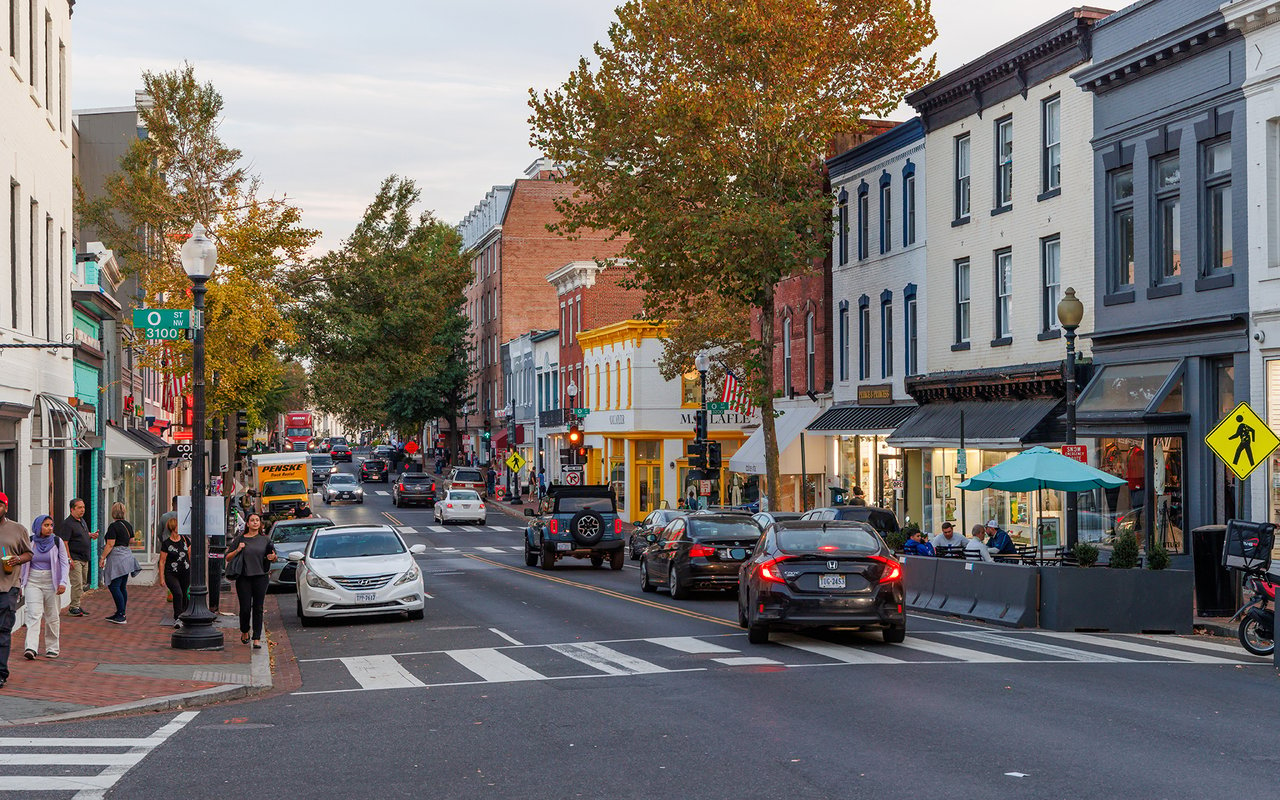
Neighborhoods such as Dupont Circle, Logan Circle, Foggy Bottom, and downtown-adjacent areas offer a denser, more urban, and highly walkable experience. Adams Morgan, Mount Pleasant, Columbia Heights, and LeDroit Park combine historic rowhouses with active commercial streets, restaurants, nightlife, and community gathering places.
Farther north and west, neighborhoods such as Woodley Park, Cleveland Park, Forest Hills, Tenleytown, Spring Valley, and the Palisades often feel more residential and village-like, while still providing convenient access to shops, restaurants, parks, and public transportation.
Homes in NW DC
Rowhouses, townhomes, and apartments
One of the defining features of Northwest DC is its older and architecturally varied housing stock. Across the quadrant, you will find historic rowhouses, townhomes, apartment and condominium buildings, co-ops, and detached single-family homes.
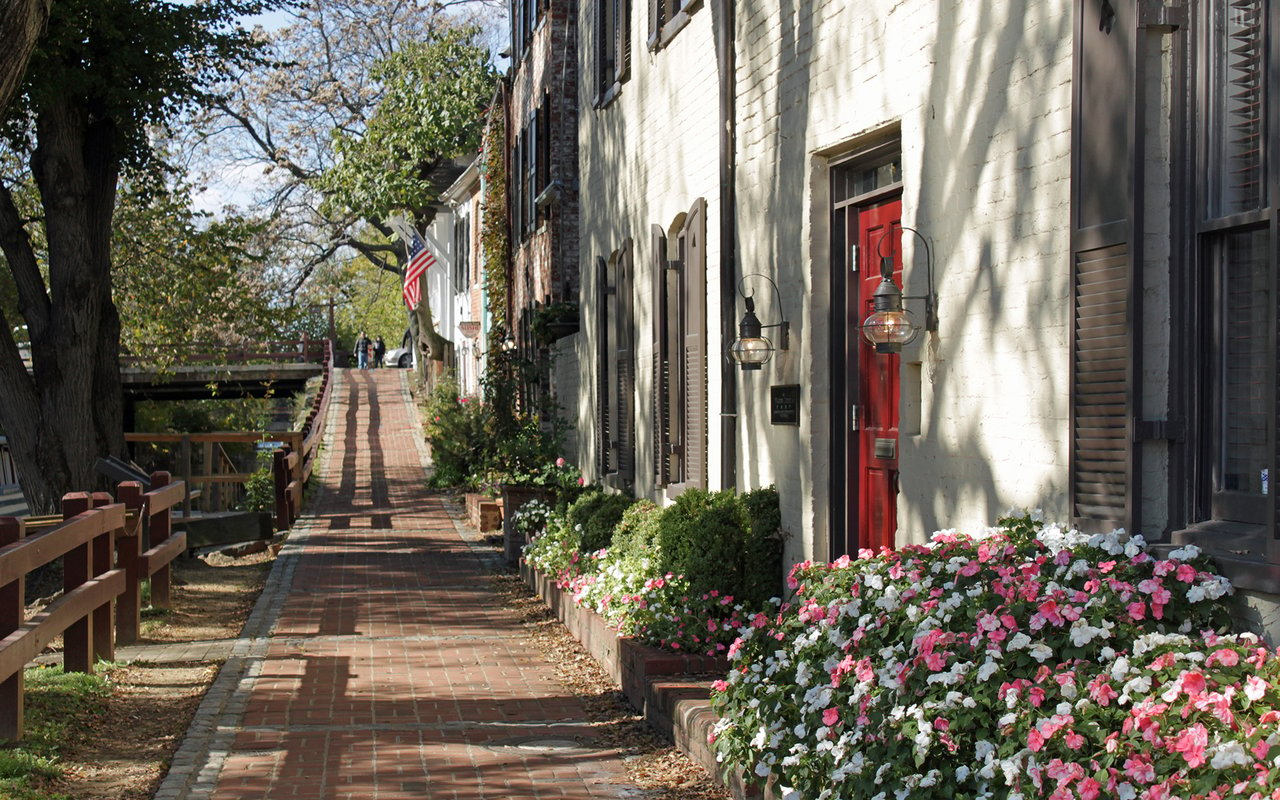
Rowhouse living is especially common in neighborhoods such as Columbia Heights, Adams Morgan, Mount Pleasant, LeDroit Park, Logan Circle, and along the 16th Street corridor. These neighborhoods are known for blocks of traditional Washington rowhouses mixed with apartment and condominium buildings.
Georgetown, Dupont Circle, Foggy Bottom, Kalorama, and Sheridan-Kalorama offer another layer of variety. The housing mix includes historic townhouses, grand Victorian homes, apartment buildings, condominiums, and larger detached residences. Some of the area’s most prominent homes are also used as embassies and diplomatic residences.
In Woodley Park, Cleveland Park, Forest Hills, Tenleytown, the Palisades, and Spring Valley, housing often becomes more residential as you move away from the neighborhood’s commercial center. Buyers may find apartment and condominium buildings near Connecticut Avenue or Wisconsin Avenue, with rowhouses, townhomes, and detached homes on surrounding streets.
Where apartment-style living fits
If you are looking for apartment-style ownership, condominium living, or a smaller footprint, some of the most natural fits in NW DC are near major commercial and transit corridors.
Dupont Circle, Foggy Bottom, Columbia Heights, Logan Circle, Woodley Park, Cleveland Park, and the Connecticut Avenue and Wisconsin Avenue corridors all offer a variety of multifamily housing options.
Co-ops can also be found in some older buildings, particularly in neighborhoods such as Dupont Circle, Cleveland Park, Woodley Park, and Kalorama. They are not the dominant ownership type throughout Northwest DC, but they remain an important part of the housing mix in select buildings.
Historic character shapes daily life
In Northwest DC, historic preservation is not simply a background detail. It affects how neighborhoods look, how individual blocks feel, and, in some cases, how exterior changes to a property are reviewed.
Many of Washington’s historic districts are located in Northwest DC. Georgetown, Dupont Circle, Foggy Bottom, Kalorama Triangle, Massachusetts Avenue, Meridian Hill, Woodley Park, Cleveland Park, and Logan Circle are among the historic districts that help give the area its distinctive identity.
Georgetown is especially notable because it was Washington’s first historic district. Properties there are also subject to exterior review procedures under the Old Georgetown Act. That can be an important consideration for buyers who may be planning future exterior renovations or additions.
Historic preservation helps protect the architectural character that draws many people to Northwest DC, but buyers should understand how it may affect planned property improvements.
Parks anchor outdoor routines
Rock Creek Park is the everyday standout
For many residents, Rock Creek Park is the biggest outdoor advantage of life in Northwest DC. The National Park Service describes it as a 1,754-acre city park authorized in 1890, with more than 32 miles of hiking trails and nearly 3,000 acres of land managed across northwest and part of northeast DC.
In practical terms, that means access to a major green space without leaving the city. Whether your routine includes walking, running, hiking, or simply wanting a break from busy streets, Rock Creek Park plays an outsized role in everyday life.
Other parks people use often
Meridian Hill Park, also known as Malcolm X Park, is another important outdoor anchor. The National Park Service says people use it for dog walking, yoga, drumming circles, pickup soccer, and relaxing on the grass, which makes it feel as much like a neighborhood gathering place as a formal park.
Glover-Archbold Park adds another wooded option in NW DC. Its 183-acre trail corridor offers a very different experience from the surrounding city streets, with a more tucked-away, natural feel.
Smaller neighborhood parks, playgrounds, recreation centers, and community gardens also contribute to daily life throughout Northwest DC.
The National Zoo as a local amenity
The Smithsonian’s National Zoo adds another layer to life in Northwest DC. Located along Connecticut Avenue, the zoo sits between Woodley Park and Cleveland Park and is easily accessible from Adams Morgan and Mount Pleasant.
WMATA identifies Woodley Park-Zoo/Adams Morgan as the best Metro station for reaching the zoo. That convenience helps make the Woodley Park and Adams Morgan area one of the more practical spots in NW DC for easy outings centered on outdoor time and cultural activity.
Culture is part of the routine
Commercial corridors give each area a center
A major part of living in Northwest DC is how neighborhood amenities gather around recognizable corridors. Planning documents point to Georgetown’s shopping and restaurant scene, Connecticut Avenue retail in Woodley Park and Cleveland Park, Wisconsin Avenue and Tenleytown, Adams Morgan’s bars and restaurants, Columbia Road’s east and west retail clusters, and the 14th Street corridor as some of the area’s key activity centers.
That setup makes many neighborhoods feel legible and easy to use. You are often close to a main street where daily errands, dining, coffee stops, and evening plans can fit into the same few blocks.
Embassy Row and civic character
Massachusetts Avenue adds another distinct Northwest DC experience. The Massachusetts Avenue Historic District is known as Embassy Row and includes mansions, row houses, embassies, apartment buildings, clubs, museums, and foreign missions.
For residents, that mix creates a streetscape that feels both residential and international. It is one of the clearest examples of how Northwest blends homes, institutions, and culture in close proximity.
Arts and neighborhood institutions
Northwest DC also stands out for the number of cultural institutions woven into everyday life. The Phillips Collection in Dupont Circle, located at 1600 21st Street NW, is set in Duncan Phillips’s former home along with later additions.
In Foggy Bottom, the Kennedy Center is a major arts anchor at 2700 F Street NW. Its location near Metro, plus the free shuttle that runs between Foggy Bottom Metro and the Center about every 15 minutes, makes performances more accessible for residents on the west side of Northwest.
Libraries also matter more than people sometimes expect when choosing a neighborhood. Georgetown Library offers a local-history resource through the Peabody Room, and Cleveland Park Library, rebuilt in 2018 with extensive community input, includes a reading garden that adds to its neighborhood role.
Getting around NW DC
Metro access supports daily mobility
Transit is one reason Northwest DC works well for so many different lifestyles. Several neighborhoods are anchored by Metro stations that support commuting, errands, and outings.
A few examples include:
- Dupont Circle on the Red Line at 1525 20th Street NW
- Woodley Park-Zoo/Adams Morgan on the Red Line at 2622 Connecticut Avenue NW
- Cleveland Park on the Red Line at 3514 Connecticut Avenue NW
- Columbia Heights on the Green and Yellow lines at 3030 14th Street NW
- Foggy Bottom-GWU on the Blue, Orange, and Silver lines at 890 23rd Street NW
- Tenleytown-AU on the Red Line at 4501 Wisconsin Avenue NW
Metro access varies considerably from one Northwest DC neighborhood to another. Dupont Circle, Columbia Heights, Foggy Bottom, Cleveland Park, and Tenleytown offer convenient rail access, while neighborhoods such as Georgetown, Glover Park, the Palisades, and Spring Valley rely more heavily on buses, biking, walking, and driving.
That distinction can be important when comparing homes and deciding what kind of daily routine will work best for you.
Biking is part of the mix
Capital Bikeshare is another everyday transportation option in NW DC. DDOT says the system offers access 24 hours a day, 365 days a year, and the operator reports more than 8,000 bikes and 800-plus stations across seven jurisdictions.
For many residents, that adds flexibility without requiring a car for every trip. It also fits well with the close spacing of neighborhood centers and commercial corridors across Northwest.
What everyday life really feels like
The best shorthand for Northwest DC is that it offers contrast without forcing you to choose just one kind of lifestyle. You can find blocks defined by historic rowhouses, corridors lined with apartments and retail, embassy streets with a formal feel, and more residential pockets near parks and local shops.
That variety is what makes the area so appealing to many buyers and renters. If you want walkability and activity, there are neighborhoods that deliver that. If you want a more residential pace with access to trees, trails, and neighborhood commercial centers, Northwest has that too.
When you are comparing neighborhoods in NW DC, it helps to focus less on the quadrant as a whole and more on the specific daily rhythm you want. The right fit often comes down to how you want to spend a weekday morning, a weeknight, or a weekend afternoon.
If you are exploring a move to Northwest Washington, working with a team that understands the subtle differences between one corridor, park edge, or housing type and the next can make your search much more focused. Corcoran McEnearney can help you evaluate neighborhoods, compare home styles, and make sense of what everyday life in NW DC could look like for you.
FAQs
What is everyday life like in Northwest DC?
- Everyday life in Northwest DC varies by neighborhood, but it generally combines walkable commercial streets, historic homes, parks, public transportation, restaurants, and cultural institutions. Neighborhoods such as Dupont Circle and Logan Circle feel more urban, while areas including Cleveland Park, Tenleytown, and the Palisades offer a quieter residential atmosphere.
What kinds of homes are common in Northwest DC?
- Common home types in Northwest DC include rowhouses, historic townhomes, condominiums, apartment buildings, detached single-family homes, and co-op units in select older buildings. The housing mix varies significantly among neighborhoods.
What are the main parks in Northwest DC?
- Major parks and outdoor anchors in Northwest DC include Rock Creek Park, Meridian Hill Park, Glover-Archbold Park, and the National Zoo area along Connecticut Avenue.
Is Northwest DC more urban or more residential?
- Northwest DC includes both urban and residential neighborhoods. Dupont Circle, Logan Circle, Columbia Heights, Adams Morgan, and Foggy Bottom tend to feel denser and more active. Cleveland Park, Forest Hills, Tenleytown, Spring Valley, and the Palisades generally offer a quieter and more residential environment.
How do people get around Northwest DC?
- Residents use a combination of Metro, Metrobus, walking, biking, Capital Bikeshare, and driving. Metro access is especially convenient in neighborhoods such as Dupont Circle, Columbia Heights, Foggy Bottom, Woodley Park, Cleveland Park, and Tenleytown.
Does historic preservation matter when buying in Northwest DC?
- Yes. Historic preservation can affect property appearance and exterior review requirements in many Northwest DC neighborhoods. Buyers considering homes in historic districts such as Georgetown, Dupont Circle, Foggy Bottom, Cleveland Park, Logan Circle, or Kalorama should understand whether planned exterior changes may require additional review.