Are you looking for a place where you can walk to dinner, hop on Metro, and still come home to a quieter residential street? That mix is a big reason Arlington attracts so many buyers and movers. If you are trying to figure out which part of Arlington fits your routine, this guide will help you understand how the county’s urban hubs and calmer neighborhoods work together. Let’s dive in.
Why Arlington Feels So Different Block to Block
Arlington’s lifestyle variety is not accidental. The county’s land-use framework concentrates higher-density, mixed-use development near public transportation, generally within a quarter mile of Metro station entrances, while preserving surrounding residential neighborhoods.
That planning approach helps explain why Arlington can feel urban, suburban, and neighborhood-scaled within just a few blocks. The county also identifies 12 urban villages, each supported by jobs, housing, recreation, and Metro access.
One of the clearest examples is the Rosslyn-Ballston corridor. Arlington describes it as seven mixed-use, walkable, bicycle-friendly Metro transit villages with more than 47,000 residential units, 36 million square feet of office space, and 6 million square feet of retail space.
Arlington Neighborhoods With Urban Energy
If you want a more active, walkable, Metro-first lifestyle, Arlington gives you several strong starting points. These areas tend to offer more mixed-use development, more apartment and condo options, and easier access to shops, dining, and commuting routes.
Rosslyn: Gateway To D.C.
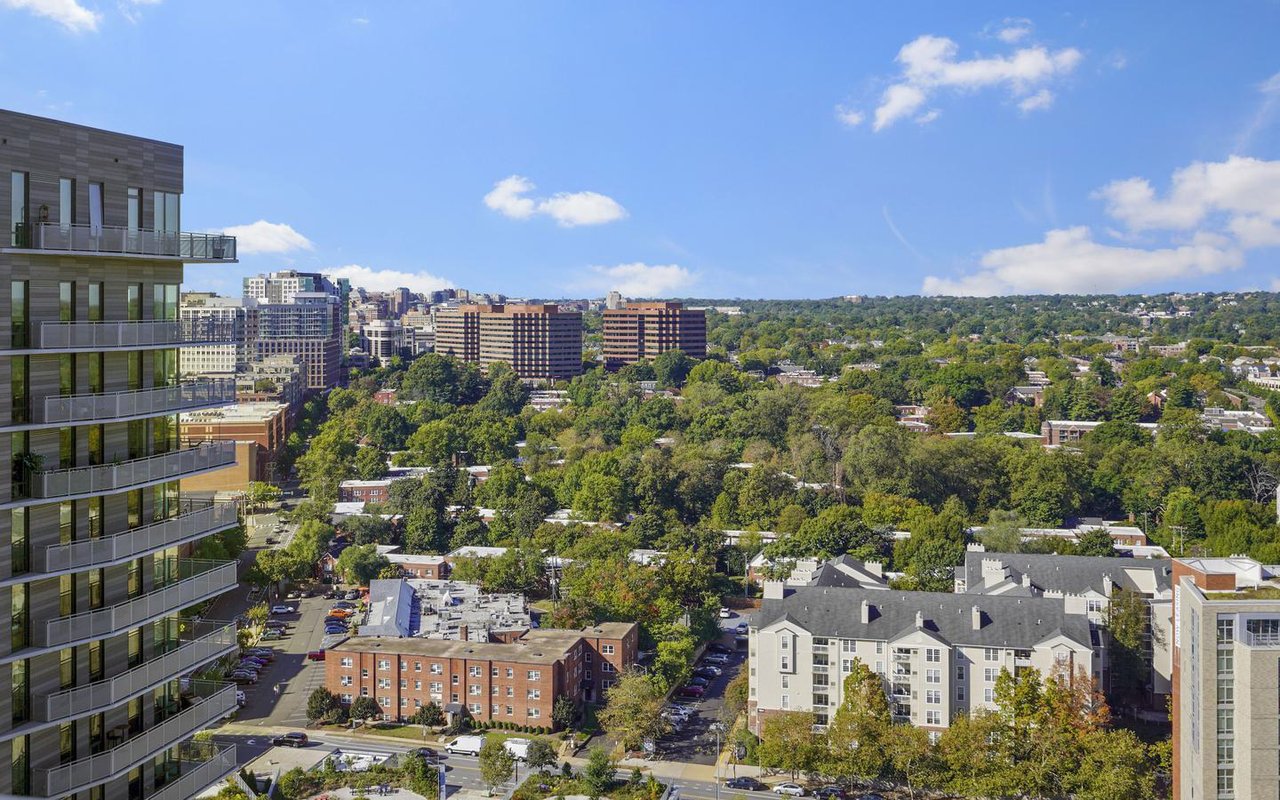
Rosslyn is often the first place people picture when they think of Arlington’s skyline. The county describes it as Arlington’s gateway to Washington, D.C., with towering office buildings, condominiums, high-rise apartments, and a mix of smaller buildings.
Rosslyn is a strong fit if you want a true live-work environment with a more urban feel. Arlington’s planning efforts for the area focus on making it a more walkable, dynamic urban center and a vibrant gateway to the county.
Clarendon: Walkable and Lively
Clarendon is known for energy and convenience. Arlington describes it as a walkable neighborhood with an eclectic mix of upscale businesses and mom-and-pop shops, along with bars, restaurants, office buildings, public art, open space, and tree-lined streets.
The county also notes Clarendon’s reputation for lively nightlife and above-average public transportation use. If you want a neighborhood where activity continues into the evening and daily errands can often happen on foot, Clarendon may be worth a close look.
Ballston: Downtown Feel With Transit Access
Ballston offers what Arlington calls the hustle and bustle of a major downtown. It includes a major Metro station, office and residential buildings, hotels, shops, restaurants, and open spaces.
The Ballston Metro station area covers about 260 acres and includes a diverse mix of commercial, office, and residential properties. If you want a busy, connected setting with a strong mix of uses, Ballston delivers that downtown-style experience.
Shirlington: Arts, Dining, and a Promenade
Shirlington offers an active lifestyle with a slightly different feel from the Metro corridor high-rises. Arlington describes it as the county’s arts-and-entertainment district, home to Signature Theatre and WETA, with townhouse communities, high-rise apartments, and other residential options.
The area also includes a pedestrian promenade, cafes, restaurants, shops, parks, a dog park, a cinema, and the Shirlington Public Library. Access is shaped by trails along Four Mile Run and bus service from Shirlington Bus Station, making it a good fit if you want activity and convenience in a more neighborhood-scaled setting.
Arlington Neighborhoods With Quieter Streets
Not everyone wants a tall-building, late-night environment. If your priority is quieter streets, more trees, and a more established residential feel, Arlington also offers neighborhoods that can feel notably suburban while still being part of the county’s connected layout.
Lyon Park: Residential Character Near Activity
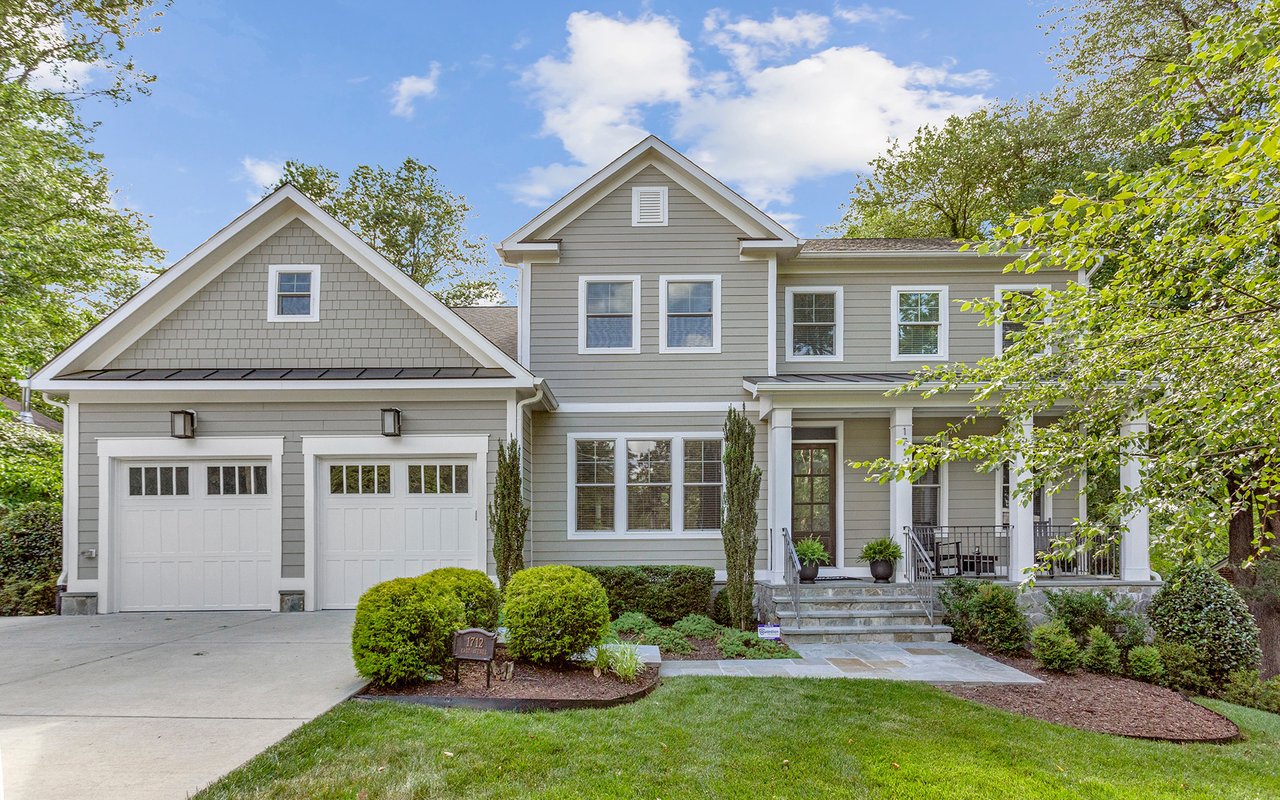
Lyon Park is largely composed of single-family homes and includes a small commercial zone and a private three-acre park at its center. Arlington describes it as one of the county’s earliest 20th-century planned communities.
For many buyers, Lyon Park represents the appeal of a more residential setting that still sits within broader Arlington access patterns. It is a useful starting point if you want detached homes and quieter blocks without leaving the county’s core areas behind.
Cherrydale: Established and Neighborhood-Scaled
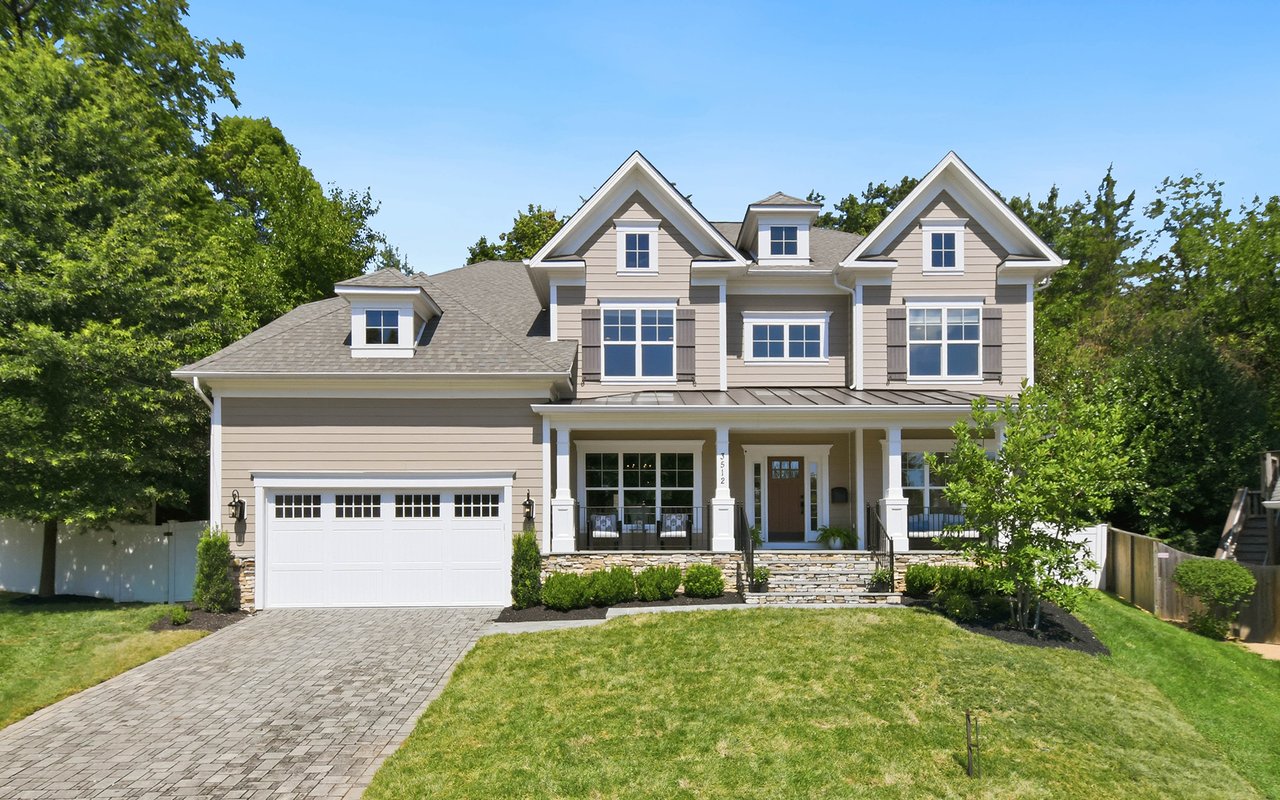
Cherrydale centers around Five Points and has a long-established neighborhood feel. The county’s historic district description says the area is primarily made up of single-family dwellings, supported by multi-family buildings, a park, meeting halls, churches, and commercial buildings.
Arlington also notes that the commercial area along Langston Boulevard was intended to remain compatible with surrounding neighborhoods. That balance helps Cherrydale appeal to buyers who want residential character with some nearby conveniences.
Maywood: Mature Trees and Historic Character
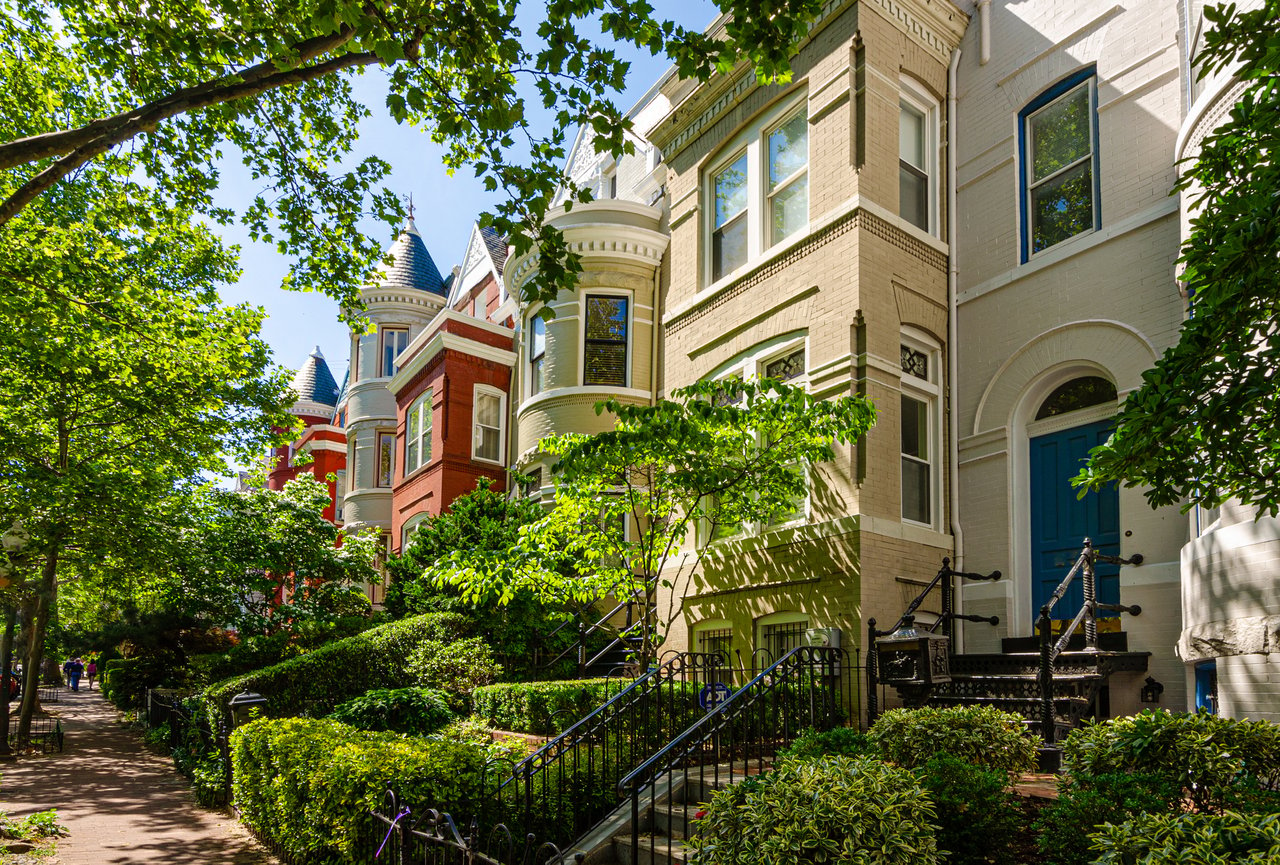
Maywood is one of Arlington’s oldest residential districts. The county highlights front porches, gable roofs, mature trees, abundant landscaping, and a long-established residential character.
If you are drawn to quieter streets and a more established visual feel, Maywood is a strong example of that side of Arlington. It shows how the county can offer a very different daily experience from its denser mixed-use centers.
How To Choose The Right Arlington Lifestyle
The best Arlington neighborhood for you depends on how you want your day to work. A short walk to restaurants, a public transit commute, or a lively evening scene can point you in one direction, while a preference for lower-density surroundings and more residential blocks can point you in another.
A helpful way to narrow your search is to focus on a few practical lifestyle questions:
- Do you want to be close to Metro station activity?
- Do you prefer a high-rise, garden-style condo, townhouse, or detached-home setting?
- Would you rather be in the corridor core or on the residential edge?
- Is your priority late-evening activity, arts and dining, or quieter streets?
In general, Rosslyn, Clarendon, and Ballston are strong starting points for a walk-to-everything, late-evening, transit-first feel. Shirlington is often a better fit if you want an active environment centered more on dining, arts, and a promenade than a tall-tower downtown.
If you are looking for quieter streets, more trees, and a stronger detached-home or low-density residential feel, Lyon Park, Cherrydale, and Maywood are useful places to begin. In Arlington, even small shifts in block location can change the feel of daily life.
Why Block Location Matters In Arlington
One of Arlington’s defining strengths is how quickly neighborhoods transition from denser corridors to quieter residential streets. Because the county focuses higher-density growth near public transportation corridors, the same general area can offer very different living experiences depending on exactly where a property sits.
That is why it helps to compare more than the neighborhood name alone. Building type, distance to transportation, and whether a home is in the corridor core or nearer the residential edge can all shape your day-to-day experience.
If you are weighing Arlington’s urban energy against its quieter streets, local guidance can save time and help you focus on the areas that truly fit your routine. When you are ready to compare neighborhoods, commute patterns, and property types across Arlington, connect with Corcoran McEnearney for a local market consultation.
FAQs
Which Arlington neighborhoods have the most urban feel?
- Rosslyn, Clarendon, and Ballston are the strongest starting points if you want Arlington neighborhoods with a walkable, mixed-use urban feel near public transportation.
Which Arlington neighborhood offers arts and dining in a neighborhood-scaled setting?
- Shirlington is a strong fit if you want an active Arlington setting focused on arts, dining, a promenade, parks, and bus and trail access rather than a tall-tower downtown environment.
Which Arlington neighborhoods feel quieter and more residential?
- Lyon Park, Cherrydale, and Maywood are good starting points if you want quieter streets, more trees, and a stronger low-density residential feel in Arlington.
Why does Arlington change so much within a few blocks?
- Arlington concentrates higher-density, mixed-use development near public transportation, generally within a quarter mile of Metro station entrances, while preserving surrounding residential neighborhoods.
How can you narrow down the best Arlington neighborhood for your lifestyle?
- Compare your priorities around transportation access, building type, daily walkability, evening activity, and whether you want to live in a corridor core or on the residential edge.