
 Facebook
 X
X
 Pinterest
 Copy Link
Design Report: The Hottest Interior Gray Paint Color
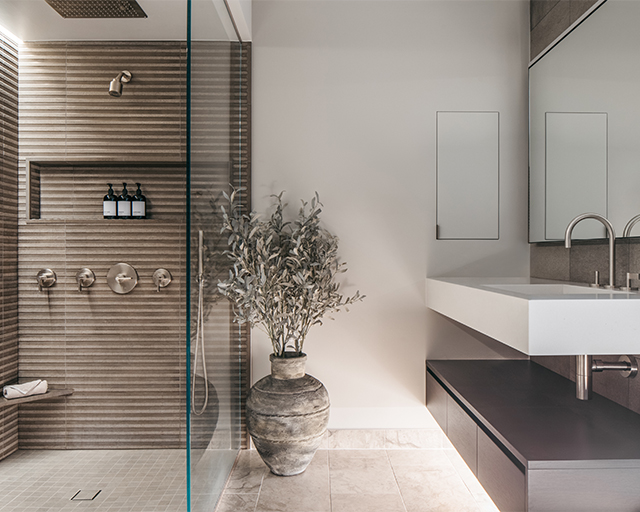
This week our partners at The Scout Guide give us inspiration on trendy gray paint colors for your home.
For most of this century, gray paint has reigned supreme as the neutral interior color of choice. Embraced for its timeless and versatile nature, from warm organic greiges to darker, steely tones, gray continues to check the box for many design profiles. Here, we’ve tapped two Scouted interior experts to give us the inside scoop on the gray paint colors you should consider when embarking on your next interiors refresh. To find a Scouted interior designer near you, consult The Scout Guide Directory.
1. Anonymous, Sherwin Williams

Interior design by Krystal Dawn Design. Photography by Kimberly Meadowlark.
”Opting for a medium-to-dark gray paint infuses a space with timeless sophistication. This tone exemplifies versatility and creates a refined and elegant ambiance. By color-drenching this home office space with a uniform shade across the ceiling, walls, and trim, a cohesive and subtly moody atmosphere is achieved that enhances the room’s depth and sophistication.“– Krystal Matthews, owner and principal designer of Krystal Dawn Design in Baton Rouge, Louisiana
2. Conservative Gray and Thunder Gray, Sherwin Williams

Interior design by Krystal Dawn Design. Photography by Kimberly Meadowlark.
“Combining shades of gray that complement one another is an excellent way to add warmth, depth, and visual interest to a space. Warm gray tones bring a sense of comfort and enhance the overall atmosphere. In this primary bedroom, Conservative Gray on the walls, Thunder Gray on the ceiling, blend seamlessly to create an organic look.” – Matthews
3. Trout Gray, Benjamin Moore

Interior design by Edit Design Creative. Photography by Rosemary J Photography.
“Trout Gray is an easy choice for us when we are looking for a moody, sophisticated gray. We used this charcoal colored hue in our client’s library, a space where they can both relax after a long day as well as entertain, so we wanted to choose a gray that was multi-purpose. Trout Gray is one of our favorites to create some drama while still keeping the room neutral.” – Erika Peck, principal at Edit Design Creative in Chicago, Illinois
4. Useful Gray, Sherwin Williams

Interior design by Krystal Dawn Design. Photography by Haylei Smith.
“The walls of this space are painted with Useful Gray, a color that features more beige undertones, as opposed to the blue. A warm gray like this one offers a cohesive, inviting look, whereas steely grays can clash with warm tones, making an interior appear cold.” – Matthews
5. Cumulus Cloud, Benjamin Moore

Interior design by Edit Design Creative. Photography by Margaret Rajic Photography.
“The perfect gray for anyone looking for a neutral tone, Cumulus Cloud is a well-rounded gray that is quickly becoming our favorite. This isn’t a gray that goes red, blue, or green, but rather has a slight hint of warmth, which gives it softness. Beautiful in rooms with a lot of natural light, it allows for the subtle color to be the background to your interior. Alternatively for our client’s house, we used this color in the primary bathroom with little natural light and we found it really brightened up the space against the dark tile. Adding this contrast to the room gave the bathroom a spa-like feel.” – Nicole Parke, principal at Edit Design Creative in Chicago, Illinois
Krystal Dawn Design appears in The Scout Guide Baton Rouge. Edit Design Creative appears in The Scout Guide Chicago.
Take a look at our website for all of our listings available throughout Washington, D.C., Maryland, and Virginia.
Don’t miss a post! Get the latest local guides and neighborhood news straight to your inbox!

Designing Your Dream Patio
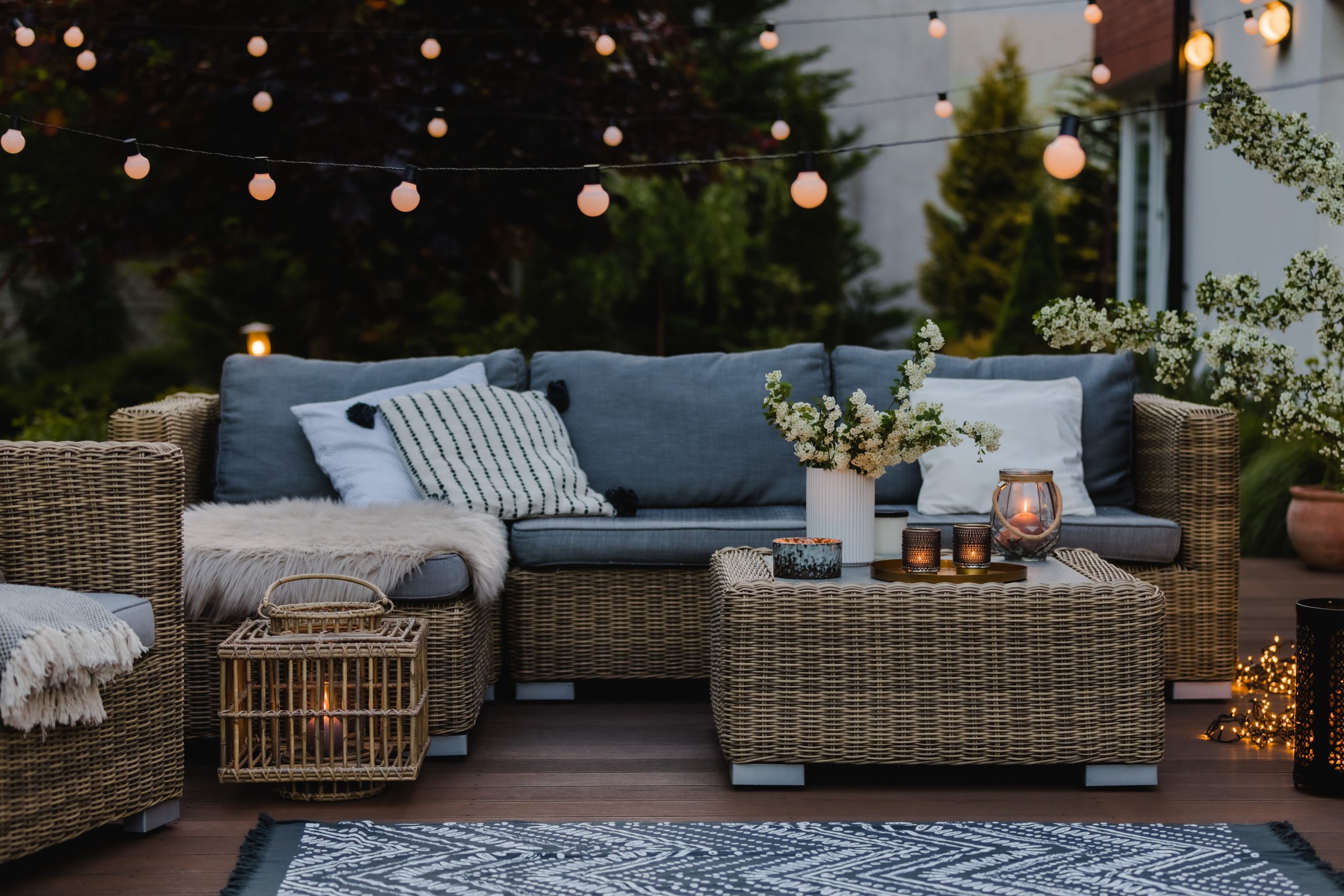
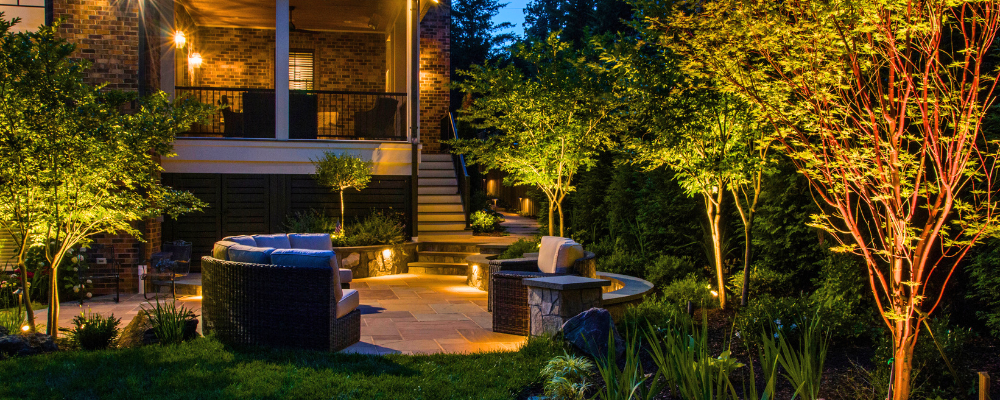
This week’s blog post is provided by Artscapes Living, giving us inspiration on how to design your dream patio.
A patio is more than just a concrete slab; it’s an extension of your living space where you can relax, entertain, and connect with nature. Installing a patio requires careful design upfront, so here are six tips to help you transform your outdoor area!
1. Choose Suitable Materials
The material you choose sets the tone for your patio. From classic brick and natural stone to low-maintenance concrete and composite decking, the choice of materials is crucial. Consider your budget, desired aesthetic, and local climate when selecting the perfect patio surface. Don’t forget to factor in the maintenance and upkeep of the materials you choose.
2. Design Seating Areas
Invest in high-quality outdoor furniture that matches your patio’s style and offers optimal comfort. Consider a mix of seating options, such as sofas, lounge chairs, and dining sets, to accommodate various activities. Think about how you’ll use the space, and plan for seating arrangements accordingly. For example, if you tend to host a large group of people, choose items that offer many seating options but are also easy to rearrange. On the other hand, if you want a quiet spot to drink your morning coffee or enjoy a good book, opt for more comfortable seats.
3. Incorporate Shade
Whether it’s a pergola, umbrella, or mature trees, shade allows you to enjoy your patio during sunny and rainy days. There are hundreds of options, so choose one that fits into your design but also provides you the benefits you need. For example, some solutions are temporary and enable you to move them as needed while others are more permanent structures that require less set-up time. Some shades offer water resistance and UV protection, and others can add misters or outdoor heaters to enjoy the patio in less-than-ideal temperatures.
4. Add a Touch of Green
A touch of green can transform your patio from a simple outdoor space into a vibrant oasis. Consider planters, hanging baskets, or vertical gardens to add color and life to your outdoor space. Incorporating greenery can also provide more privacy, enhance aesthetics, reduce stress, improve air quality, and increase your property value.
5. Add Water Features
While this option is not a must, many of my clients ask for a water feature as part of their patio design. The soothing sound of water can instantly transform your patio into a tranquil retreat. Explore fountains, ponds, or even small waterfalls to create a focal point and enhance the ambiance.
6. Incorporate Outdoor Lighting
Some of your best patio moments may come at night, which is why outdoor lighting is so important to outdoor design. Consider string lights, lanterns, or spotlights to create a stunning, warm, and inviting nighttime ambiance. I opt for uplighting on stairs and key design features for a more elegant look, as opposed to runway lights or floodlights.

Pragya Mishra is the Founder and Principal of Artscapes, LLC, a Northern Virginia-based landscape architecture firm that specializes in designing outdoor transformations that bring you joy. With 22 years of professional experience, she works closely with each client and her network of top-tier contractors to make each project vision a reality. Follow Artscapes on Instagram @artscapes_living and see examples of past projects on her website, www.artscapesliving.com.
Take a look at our website for all of our listings available throughout Washington, D.C., Maryland, and Virginia.
Don’t miss a post! Get the latest local guides and neighborhood news straight to your inbox!
The Biggest Landscaping Trends You Can Expect to See This Fall

It’s never too early to start thinking ahead to your fall landscaping. Though it’s only the middle of August, autumn will be here before we know it! To find out what’s trending this season in the landscape world, we spoke with Jordan Clough, associate principal at Richardson & Associates Landscape Architecture in Washington, DC, who shares his insights below.
Traditional Fall-Like Hues
Bring on the festive fall hues. “Fall is a time of bright colors, lean into it with plantings that highlight the season,” Clough says. Don’t stop with just maple trees, get creative when it comes to perennials, too, he suggests. Some of his favorite picks for the season include Amsonia, New England Aster (“a high contrast of gold foliage and purple flowers, and it can be seen in person at the National Arboretum if you are curious”), Witch Alder, Autumn Fern, and Stonecrop Sedum.
Maximalist Design
If you love decorating your indoor space to the max, you’re in luck, because the maximalist aesthetic is having a moment outdoors, too, Clough says. “Add some patterns and color accents with outdoor rugs, outdoor pillows, or a boldly-patterned throw blanket near the fire pit or outdoor fireplace,” he suggests. “With the days getting shorter, lighting will also become important, and with this trend you can accessorize with lanterns or candelabras.”
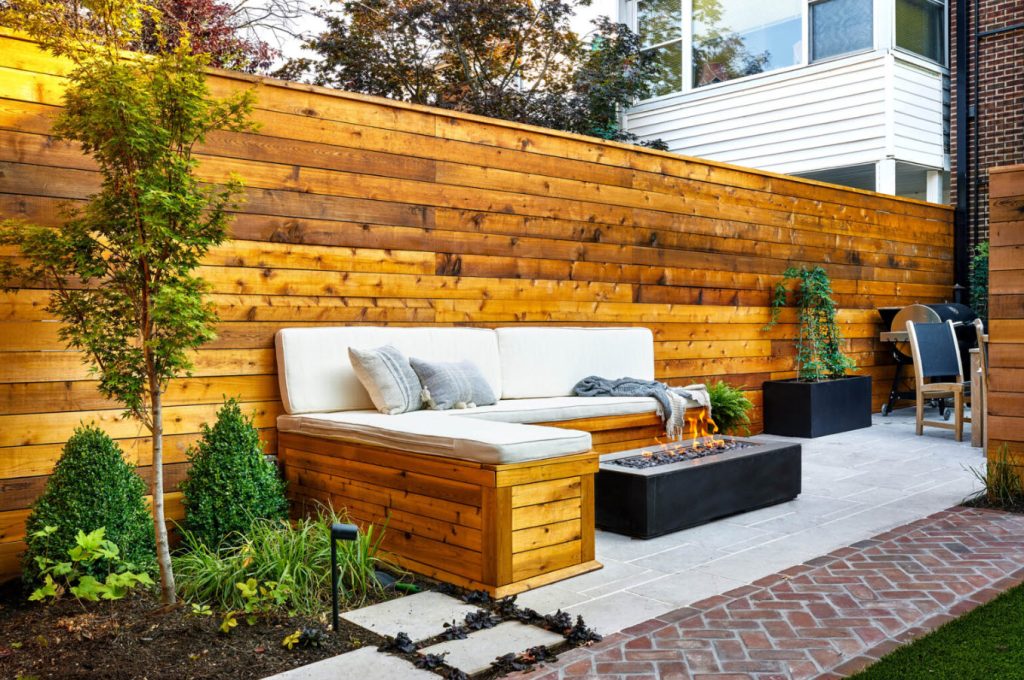
Photo courtesy of Richardson & Associates Landscape Architecture
Cozy Fire Pits
Make the most of cool nights outdoors with a fire pit or related setup. “I particularly like ‘fire tables,’ which usually have a deep rim or ledge for setting drinks, and can double as a coffee-table type of furnishing when they are not lit,” Clough says. Of course, you’ll want to determine whether you’re seeking a manmade or natural solution in the yard. “When considering a fire feature, gas (natural or propane) offers a clean, easy-start, and practically zero maintenance, but in my opinion nothing beats the smells and sounds of a wood fire,” Clough adds. And, he notes, don’t forget about wood storage—a rack or metal ring, for example, is helpful to store and protect wood.
Off-Season Florals
Coneflower, False Indigo, Black-eyed-Susans, Bee Balm, and other flowers with dark seed-heads can last throughout cooler months, Clough shares. “These add great interest to the garden through the cold months with their contrast against the snow and light grasses, and giving some height and structure to a garden bed,” he says. “These seed heads also provide essential cover and food for our local birds and wildlife.”

Sarah Lyon is a New York City-based freelance writer, originally from Bethesda, MD. She contributes to a number of national design and lifestyle publications like Architectural Digest, Apartment Therapy, MyDomaine, the Washington Post, and more. Sarah also works with designers to help them style spaces for photo shoots. Find more shelfies on her Instagram page, @sarahlyon9
Visit corcoranmce.com to search listings for sale in Washington, D.C., Maryland, Virginia, and West Virginia.
Don’t miss a post! Get the latest local guides and neighborhood news straight to your inbox!

5 Kitchen Cabinet Color Trends We’re Loving
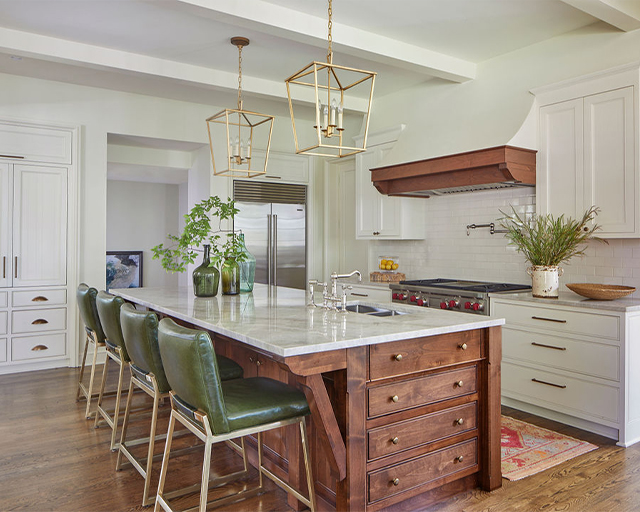
This week we would like to share an article from our partners at The Scout Guide informing us of trendy kitchen cabinet colors.
Thanks to the sage advice of our Scouted design experts, we’ve uncovered the kitchen cabinet color trends you’ll increasingly find in the most stylish homes. The key to superior storage? Injecting a healthy dose of personality.
1. Get playful with pastels
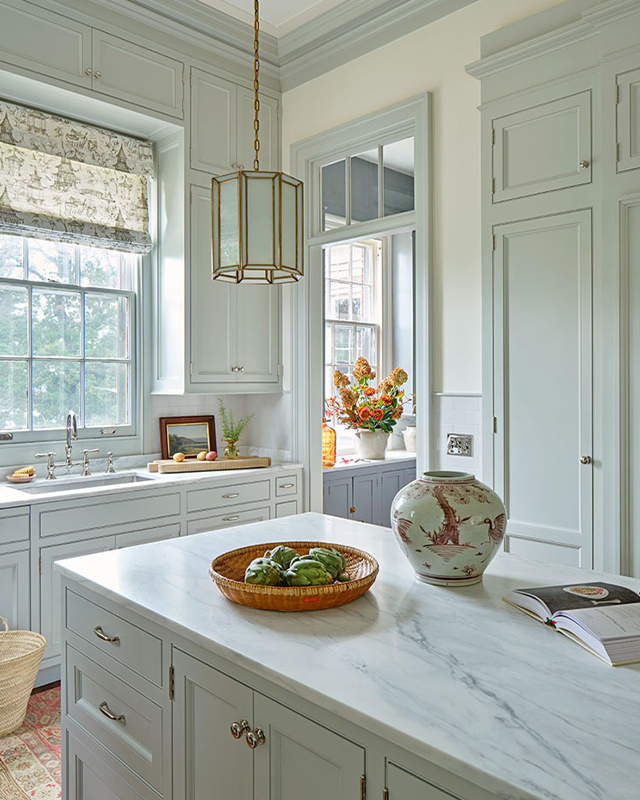
Interior design by Julie Terrell Interior Design; photography by Hector Sanchez.
For those who love a colorful kitchen but are more restrained in their design aesthetic, Julie Terrell, owner of Julie Terrell Interior Design in Birmingham, Alabama, recommends opting for a pretty pastel hue. The main benefits of pastel cabinetry is its ability to add color and charm to a kitchen while keeping the space bright. Ready to try out this trend? Terrell is especially fond of a classic light blue, which pairs well with neutral colors and natural materials.
2. Wood veneers make a comeback
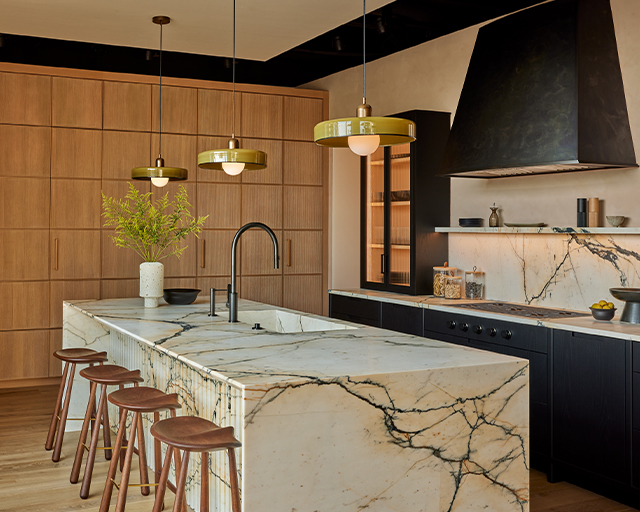
Kitchen cabinetry by Bluebell Fine Cabinetry & Design; photography by Jason Varney; styling by Kristi Hunter.
Everything old is new again and today’s more modern kitchens are featuring rich wood veneers. Peter Cardamone, creative director and partner at Bluebell Fine Cabinetry & Design in Wayne, Pennsylvania, explains that to enhance this sleek, minimalist design approach, incorporate integrated finger grooves as handles. This allows the beautiful wood finish and clean lines to shine without the interruption of hardware.
3. Go bold with color
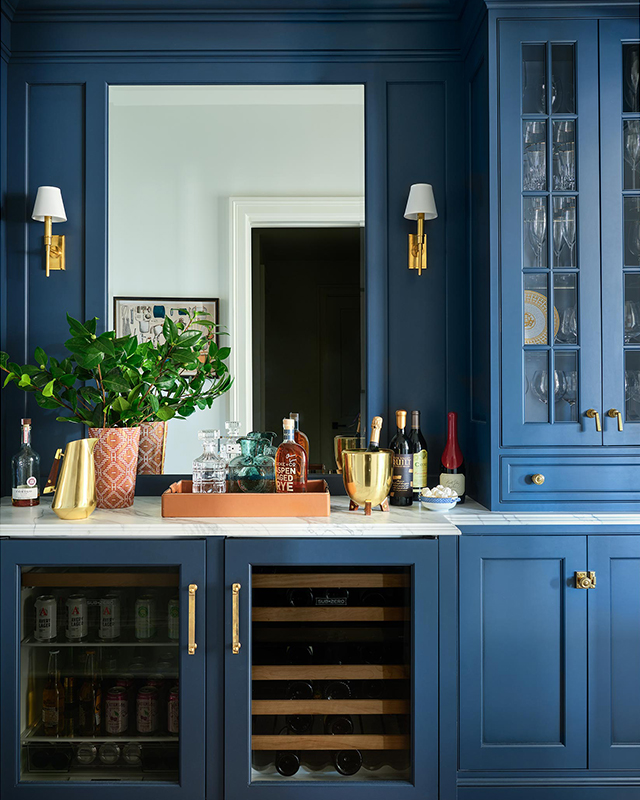
Interior design by Shed & Co; photography by David Patterson; styling by Natalie Warady.
All-white kitchens are a classic that will never go out of style, but Cassy Kicklighter Poole, founder and owner of Shed & Co. in Denver, Colorado, notes that adventurous color choices are becoming a lauded option. “While a neutral palette in a kitchen will always have our hearts, when it comes to cabinetry I am all for a pop of color to achieve an element of drama and whimsy,” she explains.
4. Mix it up
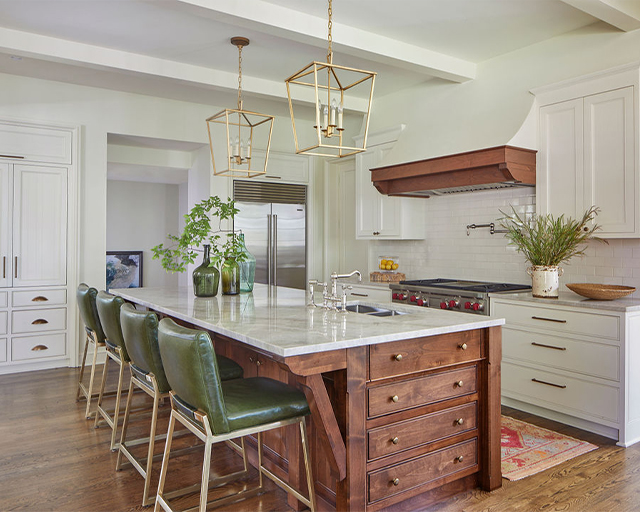
Interior design by Julie Terrell Interior Design; photography by Jean Allsopp.
Easily executed in a multitude of chic combinations, kitchen cabinetry featuring mixed finishes is a surefire way to create a bespoke feeling in the heart of your home. Terrell suggests the classic pairing of white cabinetry and warm natural wood to anyone interested in moving forward with this double dose of design. “When used on the island or base cabinets, natural wood adds visual weight and elegance to a timeless white kitchen,” she says. If you desire a more moody vibe, Cardamone loves the look of light blues, greens, and taupes, such as Farrow and Ball Elephants Breath, mixed with accents of rift white oak and rich walnut.
5. Embrace natural wood
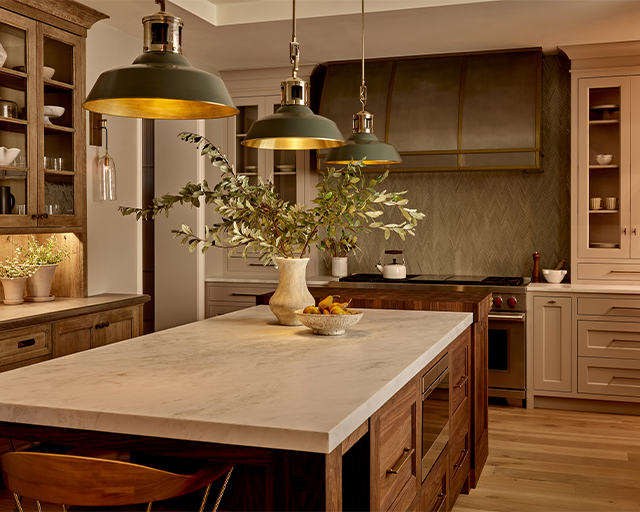
Kitchen cabinetry by Bluebell Fine Cabinetry & Design; photography by Jason Varney; styling by Kristi Hunter.
Rift cut oak cabinets—favored for its captivating linear appearance and color variations—are on the rise thanks to the warmth and natural movement they create in a space. A more traditional option than the wood veneers referenced above, Kicklighter appreciates rift cut oak cabinetry for its ability to seamlessly blend with various design aesthetics, allowing for flexibility in the finishes and accessories, as well as the peace of mind that your kitchen design can morph if your tastes change in the future.
For more expert advice on kitchen design, discover which countertops are hot right now and get inspired by our Kitchen Trend Report.
Don’t miss a post! Get the latest local guides and neighborhood news straight to your inbox!
To Install Upper Cabinets or Skip Them—That’s The Question
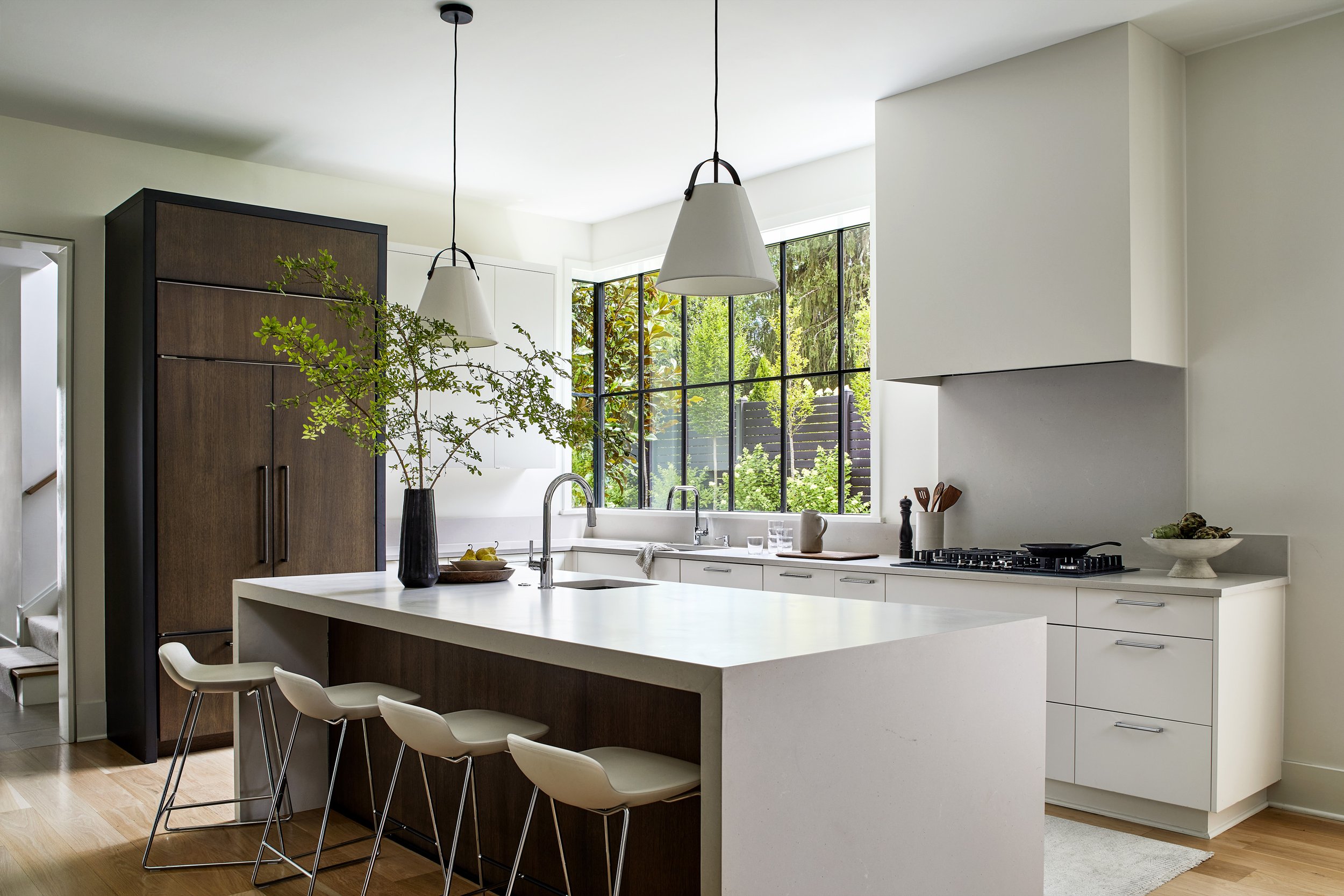
These days, deciding whether to incorporate upper cabinets in a kitchen or to forgo them entirely is a hot topic among interior designers. We spoke with three DMV area experts to gather their thoughts on the pros and cons of upper kitchen cabinetry.
Pros:
It’s easy to conceal clutter. Closed upper cabinets make it easy to tuck kitchen essentials out of sight without worrying about perfecting your styling scheme, says Catherine Ebert, the founder of Catherine Ebert Interiors in DC. “Open shelves are visually lighter than cabinets and can be used to display attractive pottery and personal items—they can be beautiful, but most homeowners don’t have the appetite to curate the shelves so that they actually look good all the time,” she explains.
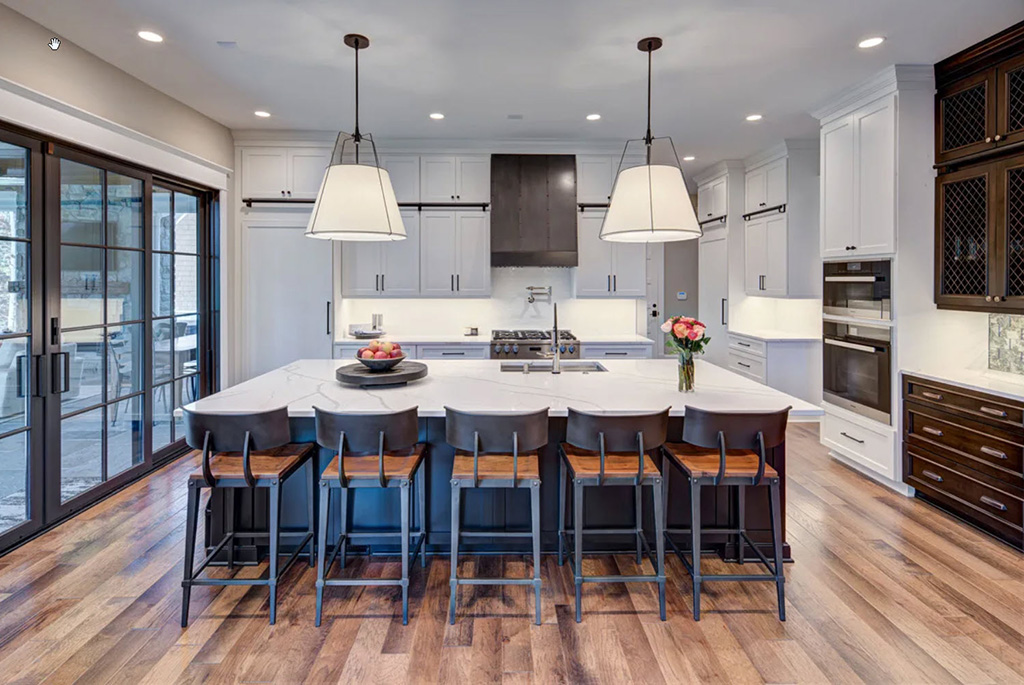
Photo courtesy of Gruver Cooley
They’ll keep items dust-free. Say goodbye to pesky dust in the kitchen. “They can keep items dust-free inside, and if you bring them up to the ceiling, you don’t have to worry about dust collecting on top of them either,” Cathleen Gruver, the founder of Purcellville’s Gruver Cooley, says of upper cabinets.
They can add style and grandeur to a space. For one, Gruver notes that cabinets can “elevate a space and make it feel taller” and additionally, they can be a nice way to display items at eye level. Plus, she adds, you can choose to install cabinets with mirrored or decorative glass fronts, which are stylish, too.
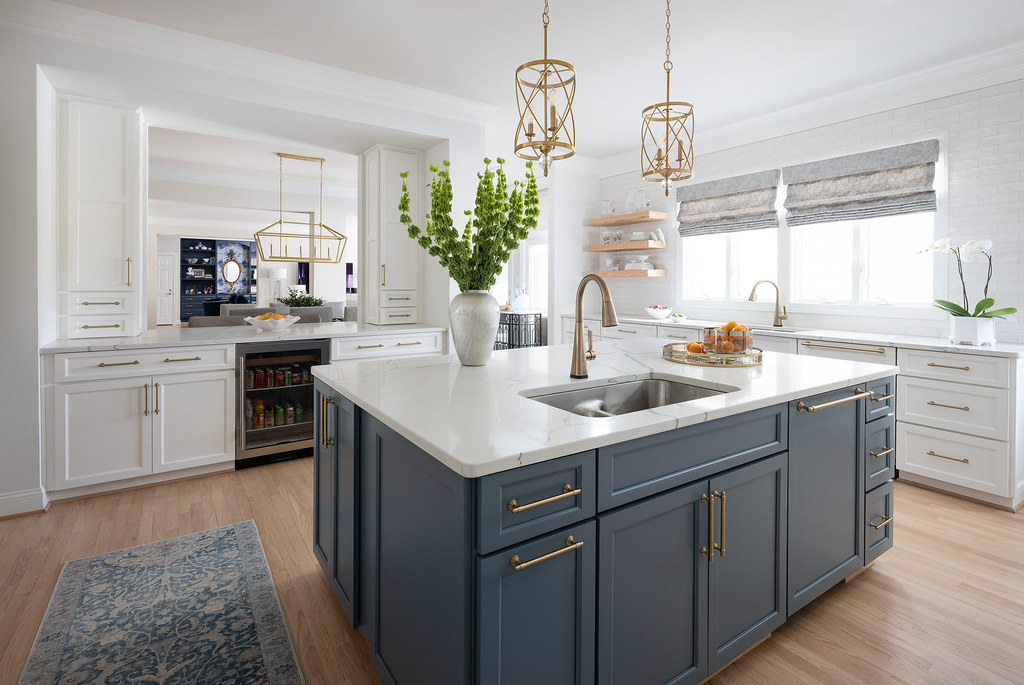
Photo courtesy of GreyHunt Interiors
Cons:
They can feel heavy. Sometimes, too much upper cabinetry can feel heavy and boxy in a kitchen, Ebert says, noting that in her view, the best option is a mix of closed cabinetry and open shelving. “The open shelves can offer a bit of dimension and variety,” she says. “They often make sense on either side of a large range hood or around windows if you do not want to block the light too much.”
Lord expresses similar sentiments. “Reducing your upper cabinets also visually opens up the eye line space, making your kitchen feel more open and airy,” she says.
They may enable you to store unnecessary items. According to Gruver, too much storage isn’t always a good thing. Having plenty of storage shelves “might not help in keeping your home decluttered and encourages you to keep more than you actually need,” she says.
They’re harder for small children to access. Make it easy for the entire family to access whatever it is they need. “Having your primary storage in the lower cabinets instead of upper cabinets allows everyone to have access, from children to older adults, and to do so safely,” says Sallie Lord, the founder of GreyHunt Interiors in Chantilly.

Sarah Lyon is a New York City-based freelance writer, originally from Bethesda, MD. She contributes to a number of national design and lifestyle publications like Architectural Digest, Apartment Therapy, MyDomaine, the Washington Post, and more. Sarah also works with designers to help them style spaces for photo shoots. Find more shelfies on her Instagram page, @sarahlyon9
Don’t miss a post! Get the latest local guides and neighborhood news straight to your inbox!
More Plant Options with the New Climate Zones

The USDA updated its Plant Hardiness Zone Map for the first time in 11 years.
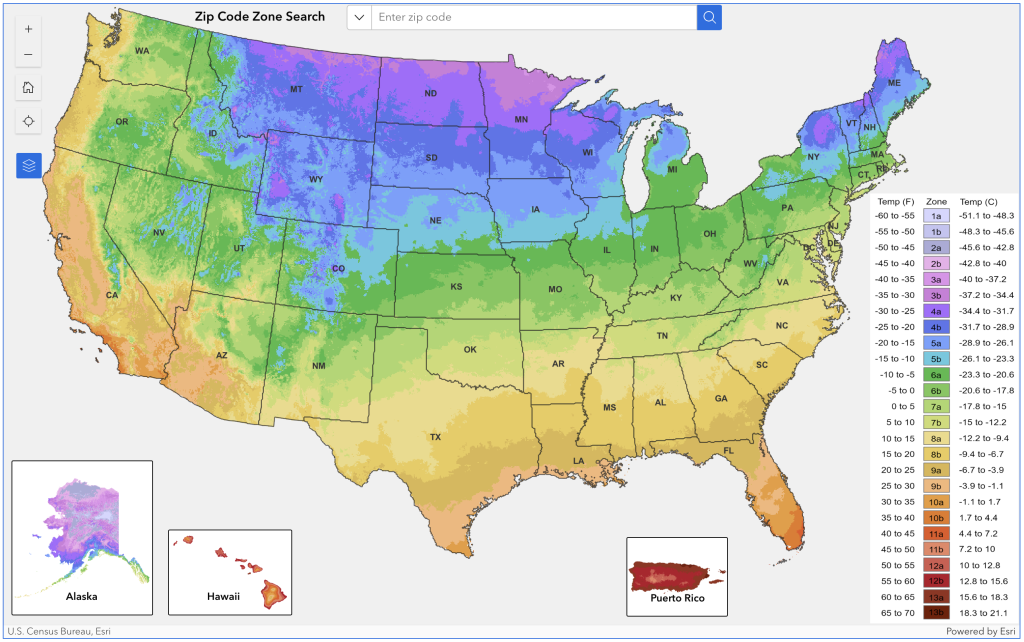
If you’re a gardener of any kind — a sprawling backyard, a cozy balcony, or a sunny stoop — this is a big deal because the updated map offers new plant possibilities for your area. These changes are exciting, but before you go buying out your local nursery, let’s discuss the limits and nuances of this new map.
What is the Plant Hardiness Zone Map?
The Plant Hardiness Zone Map is a helpful tool for gardeners and farmers alike. It divides the United States into zones based on the average annual minimum winter temperature. Just type in your zip code, and the map tells you your zone (both what it was and what it changed to in 2023).

Use the information from the maps to learn which plants are most likely to thrive in your area.
What’s New in the Updated Map?
The new map reflects more recent climate data and advanced mapping techniques for more precise zone boundaries. Here are some key changes:
- More Zones: The updated map includes additional zones and subzones, providing a finer gradient of temperature differences. This helps gardeners make even more informed decisions about plant selection. Just look at the different subzones right here in the DMV!

- Shift in Zones: Many areas have experienced a shift in their zones, generally moving to a warmer classification. This shift reflects the gradual changes in climate patterns over the past decade.
- Better Resolution: The new map offers a higher resolution, meaning it considers local variations in climate more accurately. Factors like urban heat islands and elevation changes are better represented.
New Possibilities for Your Garden
With these updates, many gardeners may find they can grow plants previously thought unsuitable for their area. Here’s what this could mean for your garden:
- Expanded Plant Choices: Warmer zones mean you can experiment with a broader variety of plants, including those traditionally grown in milder climates. Imagine growing citrus trees in areas previously too cold or enjoying a wider selection of perennials.
- Longer Growing Seasons: A warmer zone classification might also indicate a longer growing season. This means more time to cultivate and harvest your favorite crops.
- Enhanced Garden Resilience: Understanding your precise zone helps you choose plants better adapted to your local conditions, making your garden more resilient to temperature extremes and climate fluctuations.
Getting Started with the New Map
- Find your updated zone using the USDA’s online tool. This will give you a clear understanding of your area’s average minimum temperatures.
- Research suitable plants by looking for plants recommended for your zone. Local nurseries and gardening groups can also be excellent resources for discovering what thrives in your updated zone.
- Don’t be afraid to experiment with new plants because specific locations could have microclimates — areas that differ from the surrounding climate zone due to factors like wind patterns, proximity to water bodies, or urban development. If a plant seems like it might do okay, I say give it a shot!
- Use the map as a jumping point, but consider other factors. Climate is just one aspect of successful gardening. Soil quality and water availability are important to the health of your plants. Ensure your garden’s soil is suitable for the plants you choose, and plan for their hydration needs.
Whether you’re growing herbs on a balcony or cultivating a full vegetable garden, understanding your climate zone can lead to a healthier, happier garden!
Has the updated map changed your gardening plans? I’d love to hear from you!
Happy Gardening!
Pragya Mishra is the Founder and Principal of Artscapes, LLC, a Northern Virginia-based landscape architecture firm that specializes in designing outdoor transformations that bring you joy. With 22 years of professional experience, she works closely with each client and her network of top-tier contractors to make each project vision a reality. Follow Artscapes on Instagram @artscapes_living and see examples of past projects on her website, www.artscapesliving.com.
Take a look at our website for all of our listings available throughout Washington, D.C., Maryland, and Virginia.
Don’t miss a post! Get the latest local guides and neighborhood news straight to your inbox!
How to Find the Best Landscape Designer for Your Home
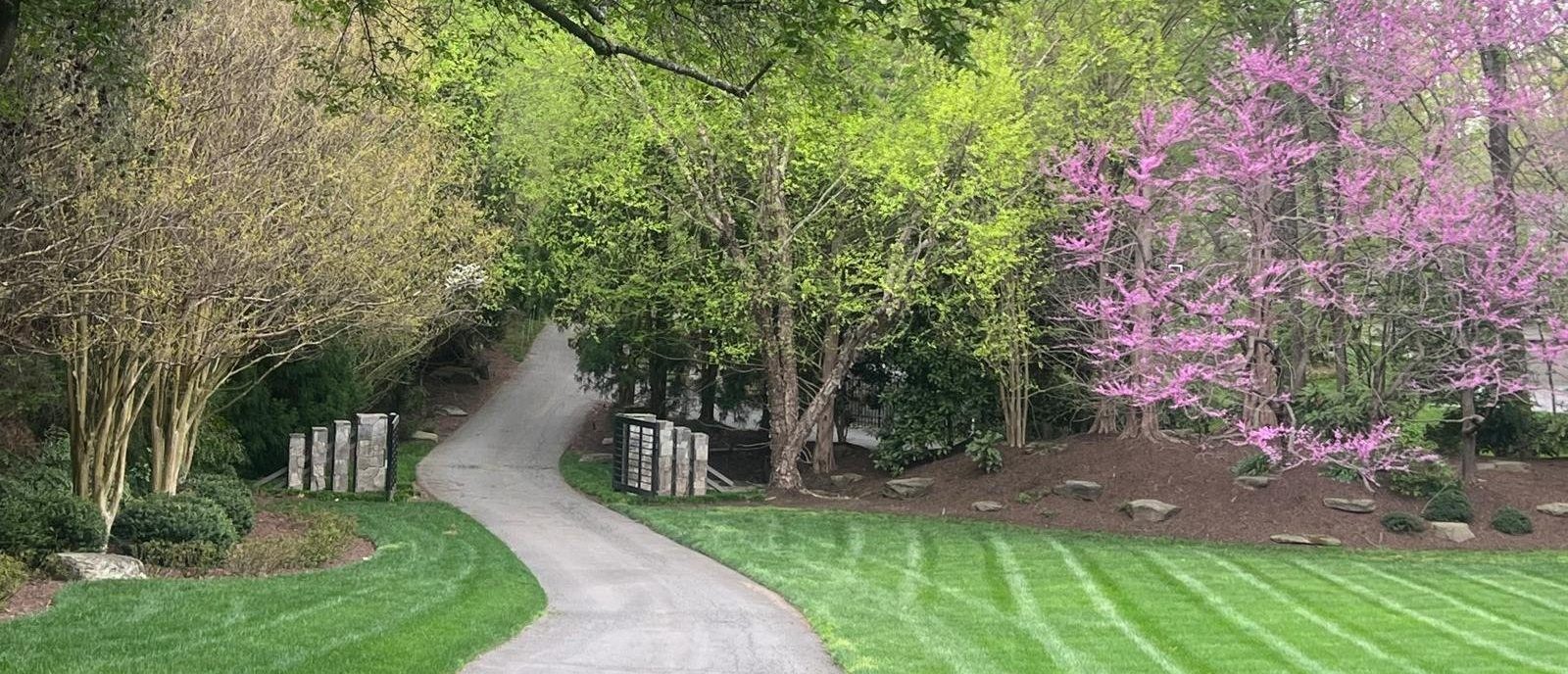
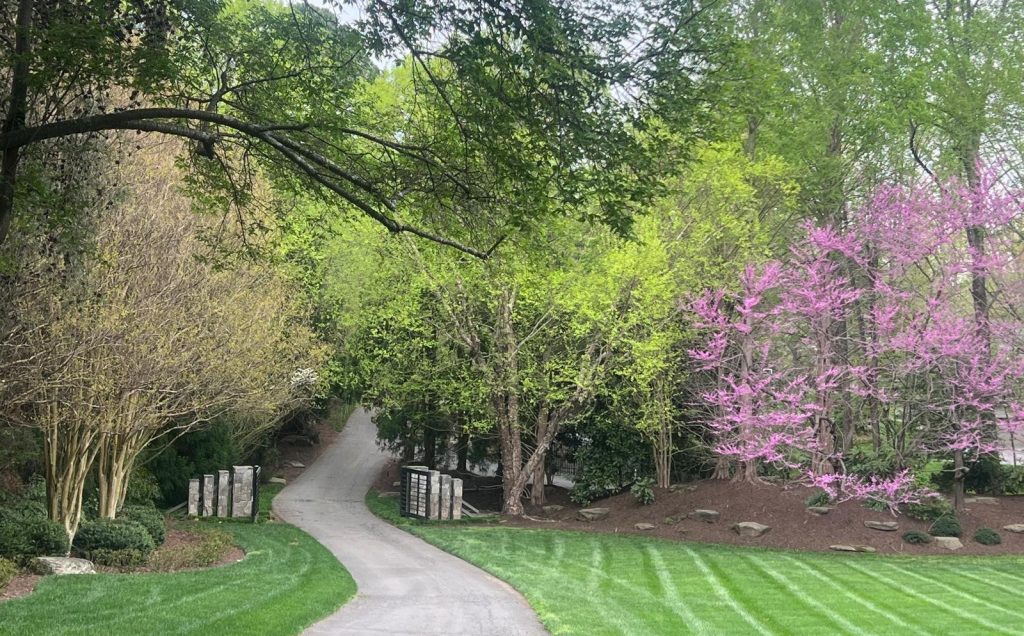
Investing in a brand-new design for your outdoor spaces requires a huge amount of trust in your landscape architect. You may have sketches, designs, and photos to help you envision how the yard will look, but you really don’t know how it’ll turn out until the project is over.
So how do you get over this mental block? You find the right landscape architect for you.
Your yard is a sacred place where you spend time by yourself, with family, or with friends and guests. It’s personal. And letting someone transform this personal space can be daunting. That’s why I highly recommend meeting with potential landscape designers for consultations to find not just the best fit for your garden but for you as a person.
Besides personality fit, here are four other ways you can vet a landscape architect before hiring them for your next outdoor design!
Research and Referrals
Start by doing some research. Referrals from family and friends can be an excellent place to start as they can provide firsthand experiences. Check out their websites, social media pages, and reviews, and email them to request photos or testimonials from past projects. For example, my site has a sample of my past projects in my Portfolio, and I can send you references to my past clients. Heck, there have even been times when I’ve walked a new client through a past client’s garden during our initial consultation so they can see first-hand the results of my designs.
Take a look at their design aesthetics and make note of designers who create spaces that speak to you. It’s much harder to convince a designer to change their design aesthetic than it is to find a designer who already has the same tastes you do.
No referrals from your network? Then you can do a Google search of “landscape designer in [your city]” to find local professionals.
Experience and Licenses
Experience is crucial in the field of landscape architecture. Look for companies that have been operating for years as they are more likely to have the necessary skills to handle your project. The company should also be licensed and follow all local regulations. Certification from recognized organizations is also a plus.
When you have your consultation, ask the landscape designer how they handle local permits, regulations, measurements, and warranties.
Communication and Customer Service
Good communication is a vital aspect of any business. The landscape company should be able to communicate clearly and promptly and deliver your landscaping project on schedule. They should also have excellent customer service and respond to your queries and concerns respectfully.
When you first interview landscape professionals for your project, ask them for an estimate of the schedule of your project to ensure your timing and theirs are in alignment.
Costs and Charges
Before hiring a landscape professional, make sure to ask for an estimate to understand the pricing structure and what is included in the services provided. Avoid companies that offer low-ball prices as this may result in sub-standard work. A company with a good reputation may charge more, but you will be assured of quality work. You can also ask for a breakdown of charges. For example, my team charges separately for the initial consultation, for the design itself, and for installation. This allows you to use our services as much or as little as you need.
Finding the best landscaper to transform your outdoor space can be challenging, but it’s not impossible. Choosing the right company will give you peace of mind and assurance that your project will be completed to your satisfaction.
Pragya Mishra is the Founder and Principal of Artscapes, LLC, a Northern Virginia-based landscape architecture firm that specializes in designing outdoor transformations that bring you joy. With 22 years of professional experience, she works closely with each client and her network of top-tier contractors to make each project vision a reality. Follow Artscapes on Instagram @artscapes_living and see examples of past projects on her website, www.artscapesliving.com.
Take a look at our website for all of our listings available throughout Washington, D.C., Maryland, and Virginia.
Don’t miss a post! Get the latest local guides and neighborhood news straight to your inbox!
2024 Home Trends Report: 6 Must-Haves For Today’s Homebuyers
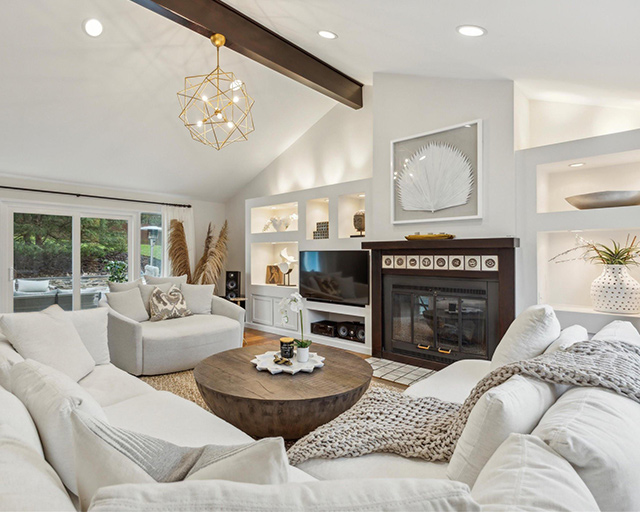
This week we would like to share an article from our partners at The Scout Guide with inspiration for six must-haves for today’s homebuyers.
Whether you’re on the hunt for a new abode or considering selling soon, we checked in with three Scouted real estate experts in the luxury market to discover 2024’s most important home trends. To find a Scouted realtor in your area, search The Scout Guide Directory.
1. Wallpaper Everywhere
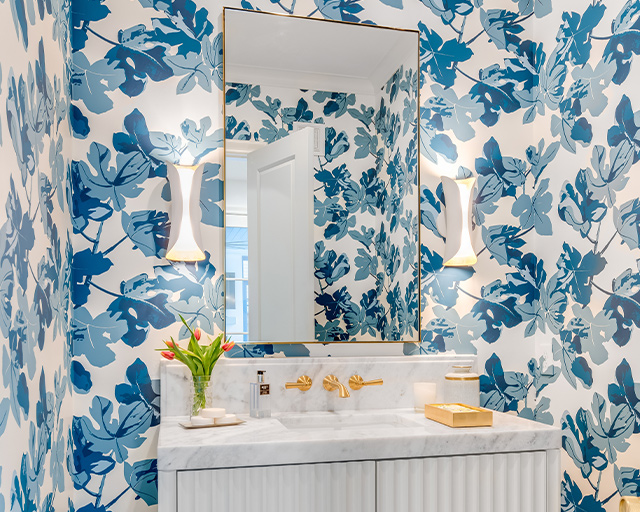
Maverick Residential, listing representative: Marc Ching. Photography by Costa Christ. Listing courtesy of Ashley Beane Hooper.
The resurgence of wallpaper as an integral part of interior decor is a trend not likely to fade anytime soon. Whether you opt to go bold and bright in a powder room, or take it to the next level and wallpaper a main thoroughfare in your home, Ashley Beane Hooper, senior vice president of Allie Beth Allman & Associates in Dallas, Texas, confirms that buyers are loving how wallpaper brings a space to life.
2. Outdoor Space
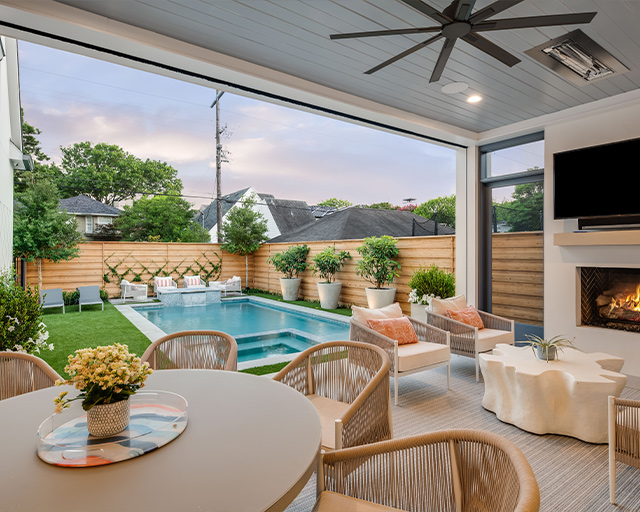
Maverick Residential, listing representative: Marc Ching. Photography by Costa Christ. Listing courtesy of Ashley Beane Hooper.
“There’s a growing interest in homes with private outdoor space,” Mandy Welgos, realtor at Aspen Snowmass Sotheby’s International Realty in Aspen, Colorado, says. Perhaps a relic of a pandemic-era necessity, the desire to relax in nature or indulge in recreational pursuits such as gardening, is an important 2024 home trend. Hooper agrees, noting luxe backyards with pools, outdoor kitchens, putting greens, and pickleball courts always move the needle.
3. A Lived-In Aesthetic
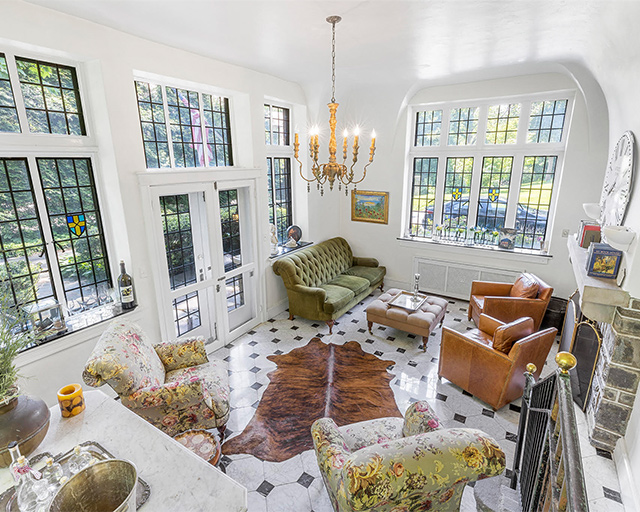
Photography by Shawn May. Listing represented by Liz Simpson, Compass RE.
Nothing draws a buyer in more than a house that already feels like a home. “Excessively open floor plans, sparse decor, or spaces that look overly staged can be hard to connect with,” Liz Simpson, a realtor for Compass Real Estate in Ardmore, Pennsylvania, explains. Buyers today are seeking homes that have the Nancy Meyer aesthetic. (Think It’s Complicated, The Holiday, and Something’s Got to Give.) This more traditional, lived-in look immediately imparts that ‘at home’ feeling.
4. Luxe Cabinetry
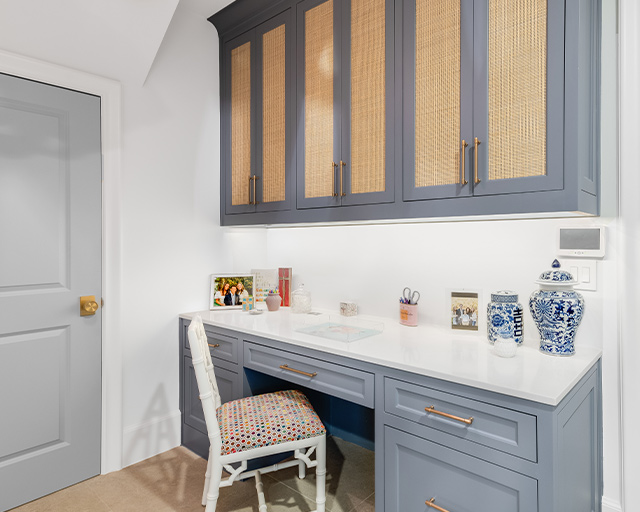
Maverick Residential, listing representative: Marc Ching. Photography by Costa Christ. Listing courtesy of Ashley Beane Hooper.
Standard big-box store white cabinetry isn’t going to cut it here. Whether in kitchens or bathrooms, Hooper explains that one of the biggest 2024 home trends is cabinetry with personality that turns heads. Added points for luxe lacquered cabinetry with bold color. The real showstopper: striking, high-gloss finishes that give rooms a smart, crisp look.
5. Smart Home Technology
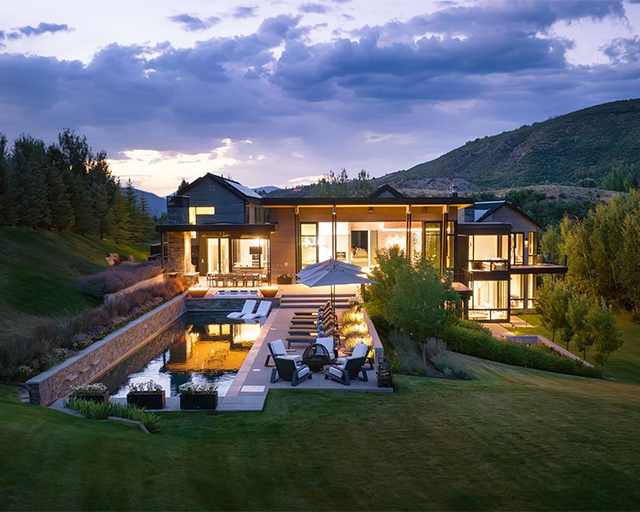
Photography by Legendary Productions/Leif Smith. Listing represented by Mandy Welgos.
The future is here, and tech-forward, energy-efficient homes are becoming more prevalent. Welgos confirms that clients are increasingly interested in smart home technology that enhances daily convenience, lowers cost of living, and reduces your carbon footprint. Smart thermostats, automated lighting, integrated security systems, and solar paneling are just a few of the many upgrades that are highly sought after right now.
6. Interiors With Warmth
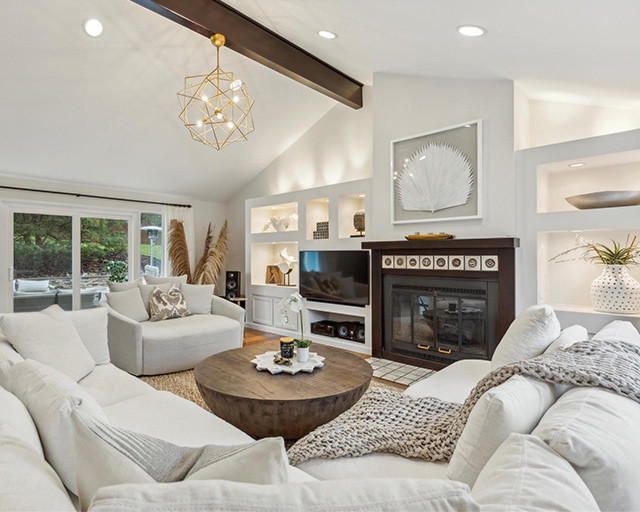
Photography by Alcove Media. Listing represented by Liz Simpson, Compass RE.
Once lauded as the ultimate neutral, homeowners and interior experts are moving away from the gray hues that reigned supreme in the early aughts. According to Simpson, the all-gray trend lacks the warmth most buyers desire. Instead, house hunters are gravitating toward warmer palettes, and complementary natural elements like wood, stone. The presence of potted plants and florals throughout a space continues to be a big 2024 home trend.
Listing your home? Discover How to Get Your House Ready to Go on the Market
Don’t miss a post! Get the latest local guides and neighborhood news straight to your inbox!
Mold and What It Means For a Home’s Environmental Hygiene

The bad news is that mold is an opportunistic foe. The good news is that there are many ways to deny it an opportunity to take root in your home. Part Two of our report.
Do you really know what’s lurking in the corners and crevices of your home? Last week we looked at the causes of the mold in living environments and some basic ways to identify mold and prevent it from spreading. This week we spoke with Paul Ramsey, Principal and Environmental Specialist with RTS Environmental Services, who has conducted over 25,000 mold inspections throughout the DC-region and he offers his hard-won wisdom to educate consumers and help demystify the irritants hidden within our homes.
Ramsey focuses on “environmental hygiene” which he describes as “the big picture” of a property’s overall exposure to unhealthy variables. It’s not just about keeping a home clean and disinfected, it’s a “systems approach” to identifying and eradicating mold, mildew and other contaminants caused or exacerbated by moisture.
“Climate change is having an impact on our buildings,” Ramsey said, citing weather trends that are causing higher rainfall density (the amount of rain that falls during a specified period of time) and higher humidity. Building envelopes – which includes the walls, windows, roof, and foundation, that form the primary thermal barrier between the interior and exterior environments – are being challenged in part by excessive rainfall and aging buildings ill-equipped to manage the incoming moisture.
Fighting mold, naturally, starts with preventing microbial growth in the first place as it only takes 60% relative humidity to grow a very common mold called Penicillium/Aspergillus. “Without moisture or substrates (the surface on which an organism lives), mold can’t grow,” Ramsey observed, so it’s important to know the causes of unwanted moisture and how to prevent it.
Here are the top areas Ramsey recommends immediate inspection and regular maintenance to ensure proper environmental hygiene and allow all residents to live under a healthy – and dry! – roof.
Outdoors – Start your environmental hygiene inspection with a walk around the property to check for areas of cracks or breaks in the building envelope, areas of pooling water, and other signs of water intrusion. It’s important to keep gutters and downspouts as clear and functional as possible, Ramsey advises. This means regular cleanouts to remove any clogs and ensure that water is funneled as far away from the building envelope as possible with properly placed downspouts, piping, waterproof membranes, and grading.
Crawlspaces – Continuing the outer inspection, Ramsey cites this area as the “#1 problem with air quality,” explaining that crawl spaces are often humid, passively vented, hard to access, and can allow air to enter and condensate on insulation or other surfaces. Because these areas are difficult to access, it’s recommended to use a professional who will have specific knowledge and tools for identifying mold and where it has taken hold.
Basements – Water seeks the lowest level so it’s not uncommon that basements can accumulate extra moisture, but that’s just one factor that makes basements a harbor for mold. As hot air rises and cooler air drops, moisture can develop and attach to surfaces and particulates. Additionally, basement laundry rooms produce warm, moist air and cotton dust that can condense and colonize mold and enter nearby HVAC systems, spreading contaminants throughout the home.
Attics – Beware! The upper echelon of a home can harbor some of the worst contaminants and Ramsey advises to ALWAYS wear a mask when inspecting the attic area. A main contributor to mold and moisture problems is the presence of flex ducting, first used in the 1980s to extend HVAC (heating, venting & air conditioning) systems into attic spaces. They look and can be manipulated like a Slinky toy but their flexible construction can make them prone to damage and deterioration. Poorly sealed flex duct ventilation can lead to higher indoor humidity levels, resulting in mold or mildew buildup if left unchecked. Flex ducting isn’t usually replaced and cleaning is difficult, allowing dust and condensation to accumulate over time and spread throughout the HVAC system to other parts of the home.
Dehumidifiers – Ramsey calls this a “must-have appliance” and they can be as simple as a portable device for around $350 that can be moved around a home or as encompassing as a whole-home humidifier built into the HVAC system for $1,000-$3,000. Maintain a humidity level around 50% make sure that no matter which dehumidifier is used, any reservoir water collected is promptly removed manually or with a pump.
Monitoring these areas will go a long way to preventing water intrusion and the development of mold, but it’s also important to watch for residents’ signs of reactions to mold. “The biggest clue that you may have a mold issue is if multiple family members are affected at the same time,” Ramsey said. Allergic reactions to molds are the most common health effects in people, including symptoms such as runny nose, sneezing, coughing, and wheezing. People without allergies but who are exposed to mold may experience symptoms, including eye irritation, sore throat, congestion, skin rash, and headaches.
As noted in the first part of our report, mold is a naturally occurring allergan and often moves through our environments without impact. But when mold enters living environments and is allowed to grow unchecked, it can affect the health of a home and those who dwell in it. It’s education and proper maintenance that Ramsey says removes the fear about mold and encourages the best environmental hygiene.
To learn more about preventing mold in your home, check out the EPA’s book A Brief Guide to Mold, Moisture, and Your Home. Our McEnearney Associates | Middleburg Real Estate | Atoka Properties Realtors® are trusted advisors who can connect clients with vendors like RTS Environmental Services who can address mold issues and ensure a property is dry, safe, and healthy for all.
Take a look at our website for all of our listings available throughout Washington, D.C., Maryland, and Virginia.
Don’t miss a post! Get the latest local guides and neighborhood news straight to your inbox!
Entertain Like A Designer This Summer
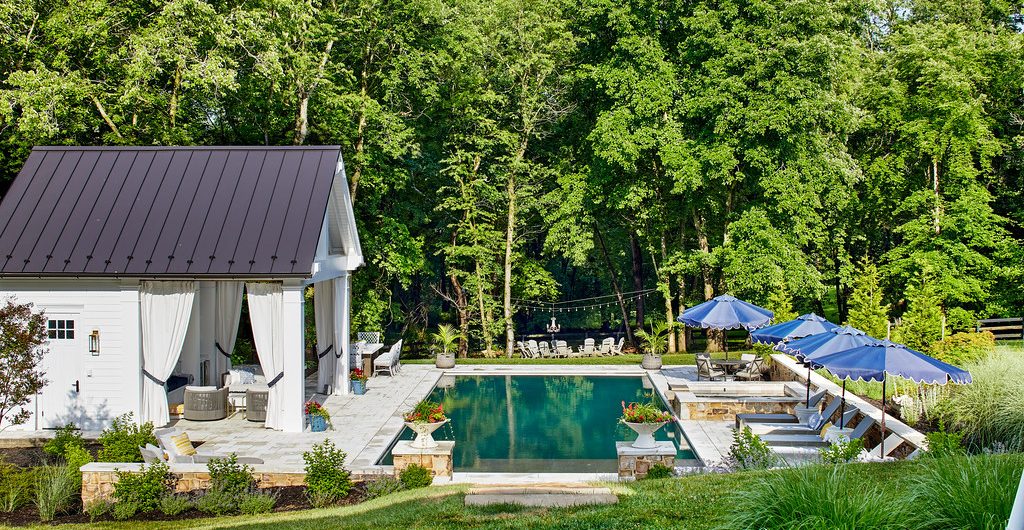
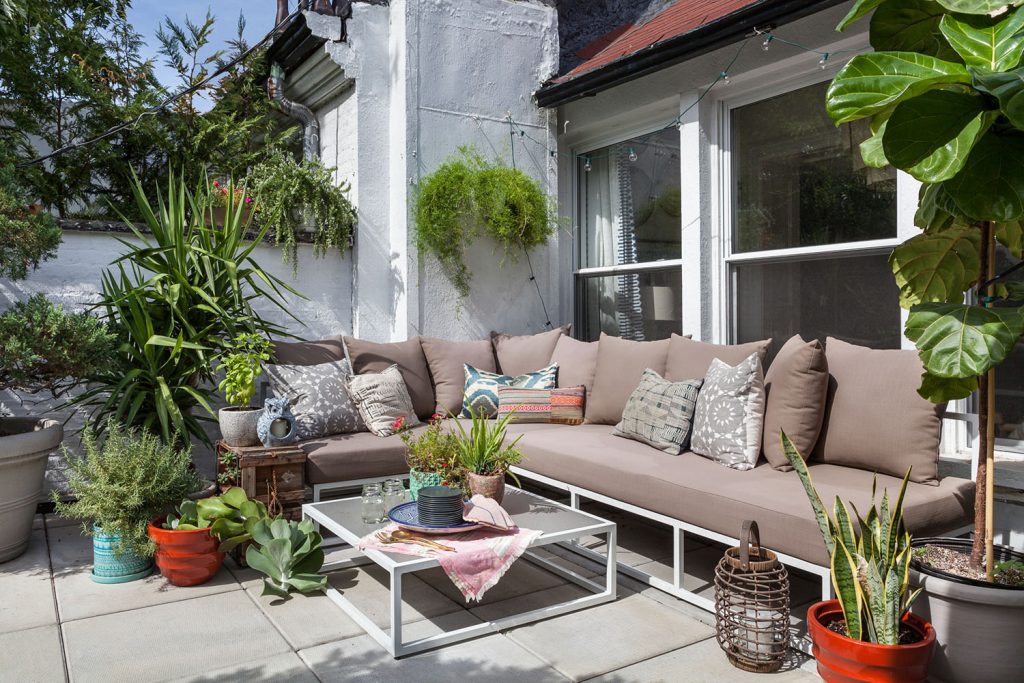
Photo courtesy of Lorla Studio
Entertain Like a Designer This Summer
Summertime is right around the corner, so now is the perfect time to brush up on those outdoor entertaining skills. Here to help are three area designers, who weigh in with useful hosting tips and creative solutions that will serve you well all season long.
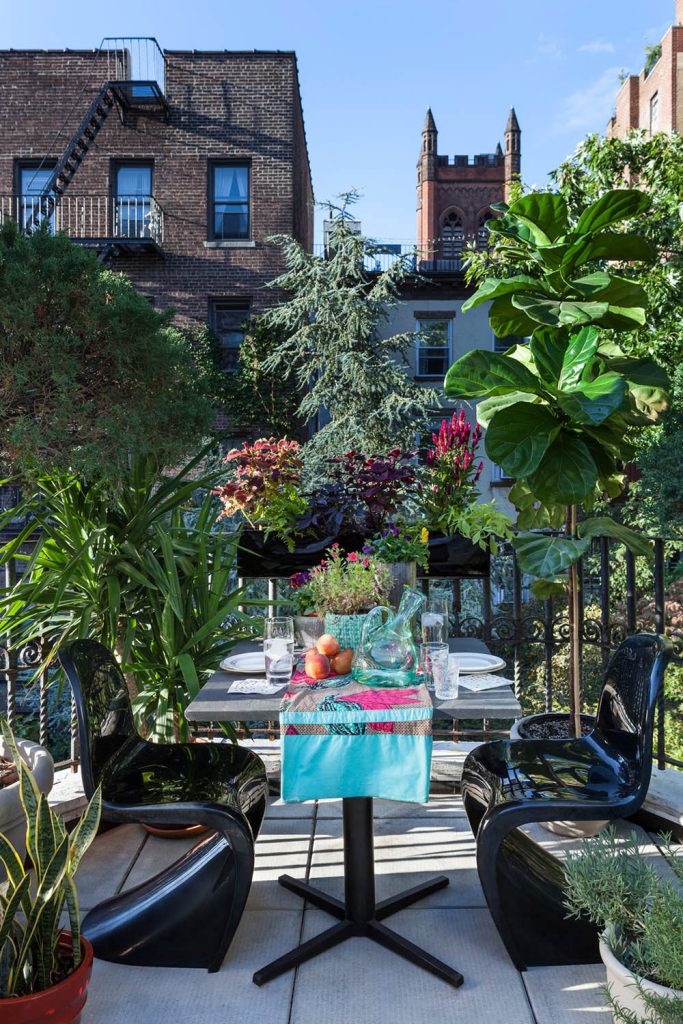
Photo courtesy of Laura Hur, Lorla Studio
Work with What You Have, and Keep it Simple
Don’t stress if your al fresco entertaining space is on the smaller side. “You don’t need a large dining table and space to entertain outside, and the more you take advantage of what you have the better,” says Laura Hur, the founder of Lorla Studio in Kensington. There’s no need to go overly formal when hosting guests outdoors, either, she adds. “You can entertain with easy finger foods, eliminating the need for a dining table and making clean-up a breeze.”
Bring the Inside Out
Draw inspiration from your indoor space when setting the scene for your outdoor gathering. “Bring the inside out: think pillows, lighting, planters, and linen napkins, and have fun with all of the great melamine plates and glasses that are on the market today,” Hur says.
[smartslider3 slider=”113″]
Photos courtesy of Sara Raak, SKG Designs
Sara Raak, the founder of SKG Designs in Alexandria, expresses similar views. “I always consider our outdoor entertaining spaces an extension of our home,” she says. “I set the table as I would indoors with the only difference being melamine plates decorated in bright colors or patterns, instead of breakable plates, disposable flatware in golds or silvers that could easily pass for the real thing, plastic reusable glasses, and seasonal centerpieces featuring garden flowers and greens.”
Prioritize Comfort
Ensure that your friends have plenty of room to spread out and lounge outdoors. “Comfort is key for any summer gathering, so I create seating areas for lounging, eating, and conversations with the grill master,” Raak says. She recommends taking to Facebook Marketplace, neighborhood forums, and Buy Nothing Facebook pages in search of inexpensive (or even free!) furnishings.
[smartslider3 slider=”114″]
Photos courtesy of Sallie Lord, Grey Hunt Interiors
Offer Umbrellas
“When entertaining in the summer, it’s always nice to give your guests the pleasure of basking in the sun or lounging in the shade,” says Sallie Lord, the founder of Grey Hunt Interiors in Chantilly. A tent or umbrella is always a great option, she notes.
Don’t Forget Citronella Candles
No one wants to be bitten by bugs while enjoying a meal outside, and that’s where citronella candles come into play. “I place citronella candles around all the seating areas,” Raak says. “They have come a long way and can be found with beautiful designs.”
Sarah Lyon is a New York City-based freelance writer, originally from Bethesda, MD. She contributes to a number of national design and lifestyle publications like Architectural Digest, Apartment Therapy, MyDomaine, the Washington Post, and more. Sarah also works with designers to help them style spaces for photo shoots. Find more shelfies on her Instagram page, @sarahlyon9
Don’t miss a post! Get the latest local guides and neighborhood news straight to your inbox!