Home Inspiration May 14, 2024

Water, Water Everywhere…But What About the Mold?

Mold is a common occurrence in homes but it doesn’t have to strike fear in residents. Find out when mold means you’ve got trouble brewing. Part One of a Two-Part report. Click here to read Part 2.

It’s been a rainy spring in the DC-Metro area, with both March and April coming in warmer and wetter than in previous years. According to The Washington Post’s Capital Weather Gang, the region got 4.89 inches of rain in March which was 1.39 inches above normal and the most since 1998. April was a drier month but already in May, we are in a precipitation surplus, running about 5 inches wetter than last year up to this point.

All of this moisture creates the perfect breeding ground for mold, which is a fungus and sometimes referred to as mildew. Mold forms and spreads on various kinds of damp or decaying organic matter, resulting in many different mold species that come in many different colors and are found both indoors and outdoors in all climates, during all seasons of the year.

Problems arise when mold is transported into homes and living spaces through the air or water that seeps or leaks into properties. A 2022 report from the National Institute for Occupational Safety and Health Centers for Disease Control and Prevention estimated that around 47% of all homes in the U.S. have some mold or dampness. According to the Centers for Disease Control (CDC), mold will grow where there is moisture, such as around leaks in roofs, windows, or pipes, or where there has been a flood. Mold grows on paper, cardboard, ceiling tiles, and wood and can also grow in dust, paints, wallpaper, insulation, drywall, carpet, fabric, and upholstery. 

Mold produces allergens (substances that can cause allergic reactions), irritants, and in some cases, potentially toxic substances (mycotoxins), and affects people and pets in different ways. Inhaling or touching mold or mold spores may cause allergic reactions in sensitive individuals. Allergic responses include hay fever-type symptoms, such as sneezing, runny nose, red eyes, and skin rash (dermatitis). Allergic reactions to mold are common and can be immediate or delayed. Molds can also cause asthma attacks in people who are allergic to mold, and exposure can irritate the eyes, skin, nose, throat, and lungs – even for people who aren’t affected by allergies. 

Because moisture has many places it can accumulate within a building, here are some basic tips from the CDC to limit how mold from spreading:

  • Keep humidity levels in your home as low as you can – no higher than 50% – all day long. An air conditioner or dehumidifier will help you keep the level low. You can buy a meter to check your home’s humidity at a home improvement store. Humidity levels change over the course of a day so you will need to check the humidity levels more than once a day.
  • Be sure the air in your home flows freely. Use exhaust fans that vent outside your home in the kitchen and bathroom. Make sure your clothes dryer vents outside your home.
  • Fix any leaks in your home’s roof, walls, or plumbing so mold does not have moisture to grow.
  • Clean up and dry out your home fully and quickly (within 24–48 hours) after a flood.
  • Add mold inhibitors (such as Kilz) to paints before painting. 
  • Clean bathrooms with mold-killing products.
  • Remove or replace carpets and upholstery that have been soaked and cannot be dried right away. Consider non-fabric alternatives to carpeting in places like bathrooms or basements that may have excessive moisture.

If you are a seller or landlord, know that leaks and signs of mold – both active and historic – can be a deal breaker for many people and may be a disclosure issue for the owner (and their real estate agent). It’s critical to fix any known leaks and take preventative measures to ensure water and moisture is eliminated from areas where it shouldn’t be. For landlords, most leases state that if there is visible evidence of mold in the premises, a new tenant has the option to not rent the property and an existing tenant may terminate their existing lease. If a tenant decides to remain in the property, the landlord must remediate the mold condition immediately (usually within no more than five days) and provide a report to the tenant that the mold has been removed. Mold remediation can cost about $2.50 per square foot, or about $5,000 for a 2,000-sq.ft. property.

If you are purchasing a property, a home inspection can help identify areas of moisture concern. Your home inspector can employ a moisture-reader to check common areas for water to accumulate, while a more comprehensive DMAT scoring system – Dampness and Mold Assessment Tool – can be used to evaluate larger buildings like schools, offices, and multiple-dwelling units. Keep in mind that not all insurance policies will cover mold remediation so check your policy to see what type of coverage is included. 

The best way to combat mold is to prevent moisture from accumulating in the first place and creating a home that is environmentally hygienic, a topic we will cover more extensively in our article next week with Paul Ramsey of RTS Environmental Services, Inc., a local inspector well-versed in the challenges of addressing mold, asbestos, radon, and other environmental contaminants.

To learn more about preventing mold in your home, check out the EPA’s book A Brief Guide to Mold, Moisture, and Your Home. Our McEnearney Associates | Middleburg Real Estate | Atoka Properties Realtors® are trusted advisors who can connect clients with vendors who can address mold issues and ensure a property is dry, safe, and healthy for all.


Take a look at our website for all of our listings available throughout Washington, D.C., Maryland, and Virginia.


Don’t miss a post! Get the latest local guides and neighborhood news straight to your inbox!


Home Inspiration May 9, 2024

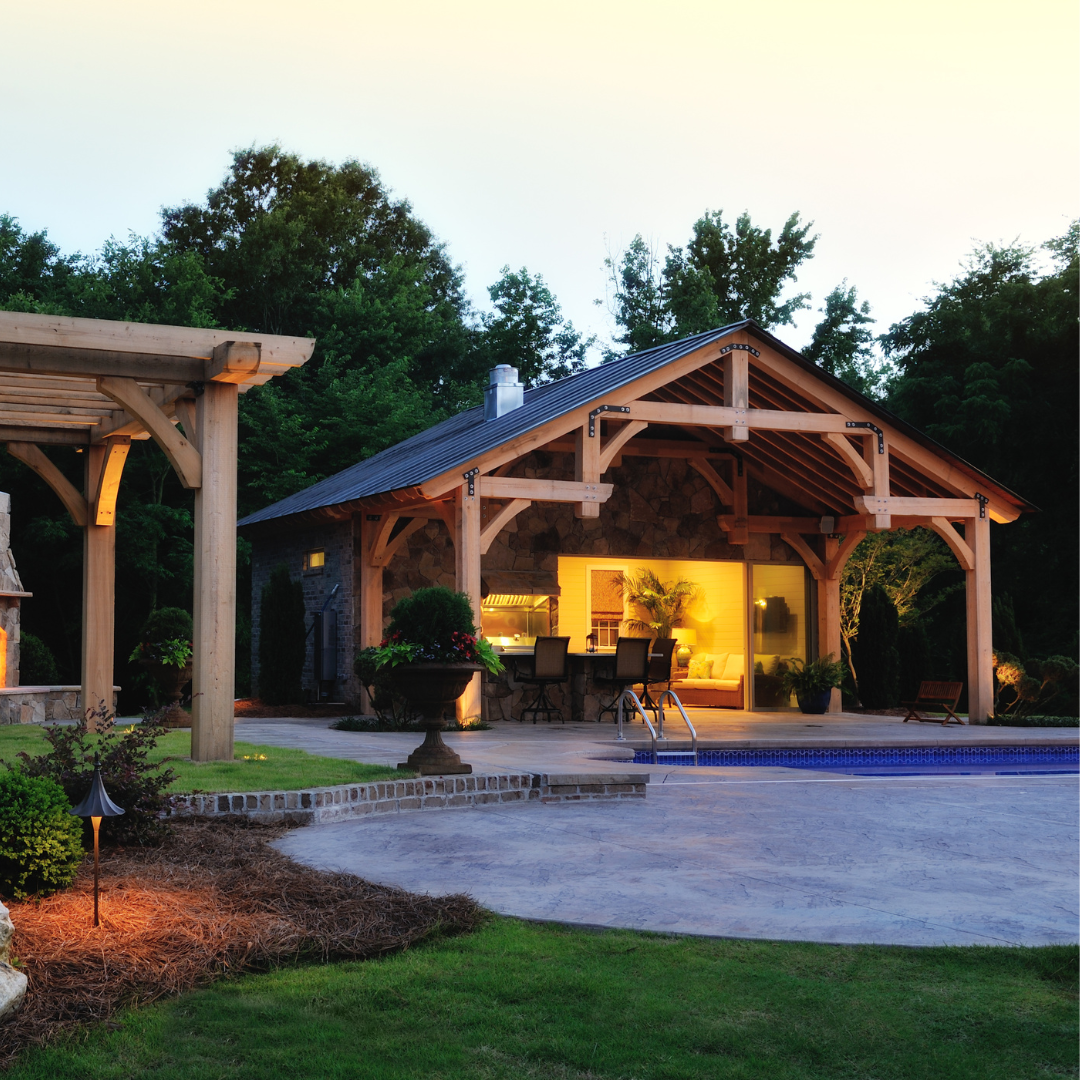
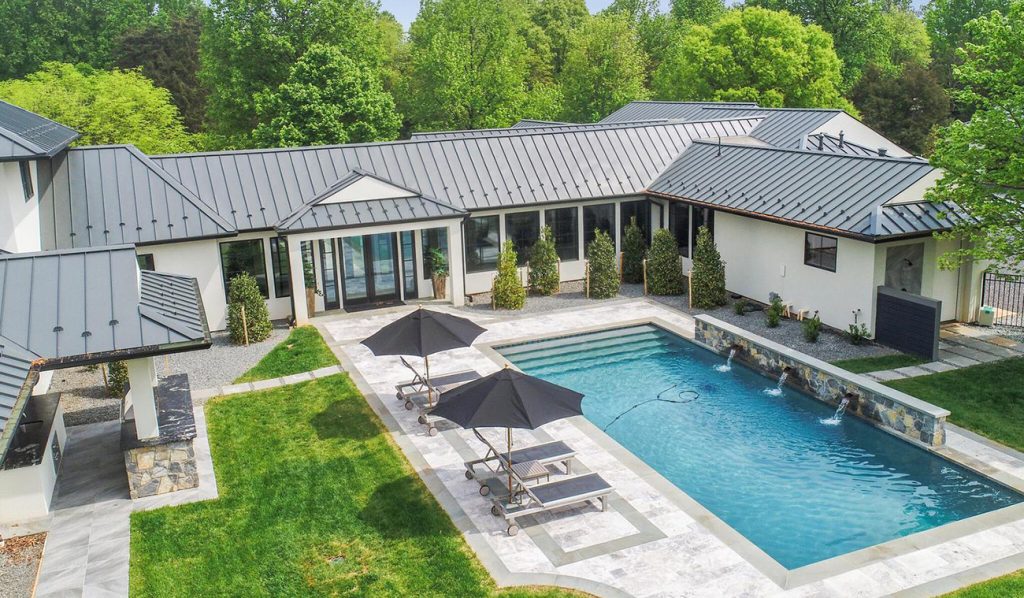
Should I build an in-ground pool for my home in Virginia?

Thinking about adding a pool to your property here in the DMV? It’s a big decision that can bring years of enjoyment, but it’s also a large investment. Consider these factors when deciding whether or not a pool is right for you.

Lifestyle

Consider your lifestyle and how a pool fits into it. Do you envision spending sunny afternoons lounging by the poolside and hosting pool parties for friends and family? Or is your schedule too hectic to make regular use of a pool? Do you have the bandwidth to keep the pool clean and maintained throughout the year or do you have the resources to outsource those tasks? Assessing how a pool aligns with your lifestyle can help you determine its value to you.

Budget

Pools can be a significant investment, not only in terms of installation but also with ongoing maintenance and upkeep. Before diving in, carefully evaluate your budget to ensure you can afford not only the initial cost but also the long-term expenses associated with pool ownership. Be honest with yourself about your willingness and ability to manage this pool on your property.

Space

Assess the available space on your property and determine if it can accommodate a pool. Consider factors such as setbacks, zoning regulations, and the layout of your yard. Additionally, think about how a pool will impact the usability of your outdoor space and whether you’re willing to sacrifice lawn area or other amenities. Do you have big trees that will constantly drop leaves in the pool? If you cannot answer these questions on your own, schedule a free consultation with a local pool expert.

Long-Term Plans

Think about your long-term plans for your property. Are you committed to staying in your current home for the foreseeable future, or do you anticipate relocating in the coming years? Will having a pool significantly increase your home price if you sell in the ten years? Discussing this with your local real estate agent may give you insight into how a pool impacts your property value now and in the future.

Safety

Last but certainly not least, safety is a top priority when considering a pool. Evaluate your risks. Will you have children, pets, or frequent visitors who may be at risk around a pool? Installing safety features such as fences, alarms, and pool covers can help mitigate potential hazards, but it’s essential to be diligent about supervision and precautionary measures. You’ll want to plan for such structures and expenses in your project budget.

Ultimately, the decision to add a pool to your property is a personal one that depends on your circumstances, preferences, and priorities. I know it can be a beautiful addition to any yard. Even I get swept away by all the landscaping possibilities! But carefully weigh these factors and consider the implications of pool ownership so you can make the best choice for you and your family.


Pragya Mishra is the Founder and Principal of Artscapes, LLC, a Northern Virginia-based landscape architecture firm that specializes in designing outdoor transformations that bring you joy. With 22 years of professional experience, she works closely with each client and her network of top-tier contractors to make each project vision a reality. Follow Artscapes on Instagram @artscapes_living and see examples of past projects on her website, www.artscapesliving.com.


Take a look at our website for all of our listings available throughout Washington, D.C., Maryland, and Virginia.


Don’t miss a post! Get the latest local guides and neighborhood news straight to your inbox!


Home Inspiration April 9, 2024

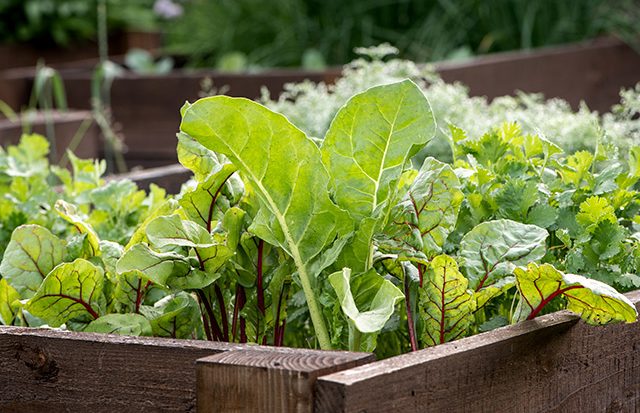
How to Cultivate a Successful Kitchen Garden

This week we would like to share an article from our partners at The Scout Guide on How to Cultivate a Successful Kitchen Garden.


Kitchen gardens were gaining in popularity pre-pandemic, and the arrival of social distancing guidelines only accelerated their appeal. Beautiful and functional, the produce-yielding plots provide both delicious backyard crops and an enjoyable and satisfying pastime, and experts expect that modern “victory gardens” will continue to pop up well into the future. “I believe it’s more than a passing fad or momentary trend,” says Lisa Mierop of the Montclair, New Jersey-based landscape firm Mierop Design. “It’s unrealistic to think you will feed your family from a suburban kitchen garden, but it is a gesture towards an emotional and spiritual need to reconnect to nature and a collective recognition that things must change.” Here, Mierop and two other landscape and garden experts share tips for first-time home farmers, from advice on selecting the ideal location to essential equipment and more.


HOW TO CHOOSE THE RIGHT SITE


Keep an eye to the sky. There are many elements that come into play when choosing the location of your garden plot, but none are as important as the amount of sunlight you will get. “Since photosynthesis is required for the growth of a plant, the sunlight is essentially a source of food,” says Diane Panetta, owner of Growing Wild Greenhouse in Boise, Idaho. An average of four to six hours of sunlight is necessary to produce flowering and fruiting plants. Keep in mind that as the season progresses, the sun often changes position in the sky, so you want to choose a location that gets enough sunlight through the entire growing season.

Think inside (and outside) the box. Keeping optimal sunlight in mind, Allen Martinson of Martinson’s Garden Works in Ridgeland, Mississippi, says that any location, as long as it’s level, should work. He also stresses that there are no rules that say your garden has to be in your backyard—you can have a successful (and aesthetically pleasing) garden in your side yard, front, or even in the space between the sidewalk and street—as long as it’s level and you don’t have drainage issues.

Also, keep in mind that you’re not limited to the ground in terms of your garden location; raised beds and even pots can be very productive options. Panetta advises that planting in pots or other containers is a particularly good option for small spaces or areas where your sunlight is limited. “When I lived in a mountain town with a very short growing season, I drilled a few holes in an old wheelbarrow and planted my tomatoes. I was able to wheel them in and out of the barn when nights were supposed to drop colder than they appreciated,” she says.

Decide what you want to grow before committing to a location. According to Panetta, many plants work well together, while others compete for space. Larger plants, like tomatoes, squash, cucumbers, and melons may start out small, but will definitely crowd others if planted too closely. The space required is dependent on the plants you’d like to grow.

Consider irrigation—and your time. Many people assume they will water by hand, but in reality, this is a time-consuming and arduous task when factored over the full length of the growing season (Panetta notes that during the high heat of the summer, garden beds need water at least once a day). Some people have scheduled irrigation systems installed to ensure adequate watering, which is Martisons’s preferred method. Another option to consider is a soaker hose, which is a less expensive/complex system, but distributes water evenly, can be laid out to reach all plants, and ensures roots get water but leaves and flowers stay dry inhibiting disease and rot.

Figure out how to protect your investment. Before planting, Mierop advises considering the critters you have in your area, from deer to moles, voles, and birds. You may not only need a tall fence to keep deer out, but also fencing that extends down into the ground to prevent digging, and overhead coverage to keep birds away from fruit.

Make your garden soil count. As in all types of gardening, dirt matters when building an ideal backyard farm. Martinson tries to replicate the soil found in California and Mexico vegetable farms, which is a gritty, sandy, barky mix, into his beds by using a mix of sand (usually on the bottom third), mushroom compost, black cow manure, and good potting soil. Meanwhile, Panetta advises that depending on where you live, the natural soil might contain high levels of clay, sand, or loam, so she recommends amending (or replacing completely) the soil with a premium garden mix, which many garden centers sell in bulk. Both contend that you want to make sure there is good drainage to prevent roots from rotting and potentially killing the plants.


HOW TO CHOOSE YOUR CROPS


Start small. It can be easy to get caught up in your vision for your garden, while the reality can sometimes be overwhelming, Panetta warns. To keep things simple, begin by focusing on a few crops, and try to research the best varieties for your area. Martinson explains that universally successful crops include tomatoes, okra, lettuces, squash, and cucumbers. Kale is also simple to grow, and different varieties will reap a harvest throughout the growing season. Another good rule of thumb: consider what you and your family enjoy eating throughout the growing season and plant that.

Know your growing season. Being aware of your growing season—the average time from last to first frost—is imperative. “If you have a short, 52-day growing season, planting watermelons that average around 70-90 days to mature means they may not ever have the chance to bear fruit before the season ends,” Panetta explains. So be sure to look at the plant’s “days to maturity,” keeping in mind that this can differ for each variety.

Consider cool season crops. We mostly think of peak summer crops when planting, but Panetta notes that there are many that produce well into the fall, and you can do a second round of planting as summer wanes. Some cool season crops include broccoli, onions, peas, kohlrabi, garlic, beans, asparagus, radishes, rhubarb, brussels sprouts, carrots, potatoes, beets, cauliflower, and cabbage.

When in doubt, go with herbs. If you’re not ready to dabble in fruits and vegetables, a successful herb garden is a great place to start. And since herbs grow successfully in pots, you can place a few on your patio and not have to even think about creating a garden plot. Martinson recommends starting with a mix of mint, lemongrass, rosemary, fennel, dill, parsley, lemon and regular thyme, celery, and oregano.


HOW TO MAINTAIN YOUR PLANTS


Look for signs of pestilence. “With all things nature, you will encounter pests,” Panetta says. Damaged leaves and droopy plants are the telltale sign you might have an issue. Slugs, aphids, grasshoppers, and a whole army of other insects can do a lot of harm in a short amount of time, so keep watch and quickly take the appropriate measures, such as contacting your garden expert for next steps and methods to ward off invaders.

Go organic if you can.  When dealing with produce, it’s always a good idea to have an organic garden. Martinson reports that most local garden centers have an organic section with everything from soil nutrients to pesticides. Additionally, he explains that some pests, like aphids, are relatively easy to deal with without chemicals. “A good stream of water will knock [an aphid] off the leaves,” he shares. “Once they fall off your plant they will die.”

Be sure to mulch. While it may feel like an afterthought, or a purely decorative measure, mulching actually has an important purpose. “Adding mulch will keep weeds down and moisture in, which is important during those super-hot summer days,” Martinson explains. He prefers pine bark mulch, which makes the soil a little more acidic as it breaks down, but advises that anything that covers the ground—even pine straw—is useful.

Make morning watering a part of your daily routine. Every morning, around 9:00 to 10:00 a.m., you should give your plants a deep watering, according to Martinson. The amount will depend on your outdoor temperature, the soil, and your container. You want to strike a balance where the plants get enough water but are not too wet. He also adds that it’s important to water only the roots, as disease can develop if the foliage is wet.

Learn to appreciate the satisfaction of weeding. When you have a garden, weeding has to be a natural part of your maintenance routine. “Where there is good soil and moisture, opportunistic weeds will want to grow just as much as your new vegetable plants,” Panetta explains. Learn to identify plants that don’t belong in your garden, and remove them before they become an issue.




Don’t miss a post! Get the latest local guides and neighborhood news straight to your inbox!


Home Inspiration April 4, 2024

What to do with your Lawn after Winter

Winter is over, and spring has officially sprung! In fact, I was so excited to see tulips in a client’s yard I basically jumped out of my shoes. He planted bulbs last year, and now they made his entire backyard sing. So many of you are probably wondering how to make your yard sing this spring. From a garden and landscaping business owner’s perspective, this is an essential time of year. Let’s explore what to do with your lawn after winter.

Clear Debris

The first step in getting your lawn ready for spring is to clear away any debris that accumulated during the winter. This includes fallen leaves, twigs, and branches that could be tangled in the grass. Use a leaf blower or rake to get everything off your lawn. Clearing this debris will leave your lawn clear and free to grow. You won’t believe the change this can make in how healthy and beautiful your lawn looks.

Rake and Aerate

During winter, the snow can compact the soil, making it difficult for air, water, and nutrients to reach the roots. Raking and aerating the lawn after winter is a good way to alleviate compaction and breathe new life into your lawn. This process will help to break up the soil and allow water and nutrients to reach the roots. Reseed If your lawn has bare or thin patches, it’s a good time to add some grass seed and fertilizer. This process is called overseeding. It’s essential to do this in the spring because the soil has warmed up enough to help the seeds take root, ultimately giving you thick and healthy grass.

Fertilize

Fertilizing is critical in the spring because it provides the necessary nutrients to help your lawn grow lush and green. Fertilizing the lawn once enables it to grow and flourish and stay healthy throughout the season. And a healthy, dense lawn is your best defense against weeds. By fertilizing in spring, you encourage grass to grow vigorously, which helps to choke out weeds and prevent them from taking hold.

Mow the Lawn

This one seems obvious, but it’s time to mow your lawn. Now that the grass has begun to grow, you need to start mowing regularly. Keep your mower blades sharp. Make sure to cut the grass to the desired height because cutting it too short can damage the blades and cause spots to appear. Regular mowing ensures the growth of a healthy, vibrant lawn, which is what I want for you in 2024. Your lawn after winter can be quite challenging to take care of without any prior knowledge about the right time and ways to tackle it. Debris, compaction, dead roots, and other problems may have occurred that your yard will not be able to fully flourish until you’ve addressed them. If this seems overwhelming or you want to do more with your yard this spring, contact us today and, together, let’s give your lawn the care it deserves.

Summer Planning

And if you are like most of my clients, you are already thinking ahead to summer. How will you use your space when the days are long and hot? If you are considering a pool, then check out my latest blog post. Make your wish list, research each option, then start interviewing professionals (for things like sprinklers, patio design, and pools) – our calendars fill up quickly for summer projects! All other DIY projects can be planned and completed by you, ideally this spring before the temperature rises!


Happy Gardening!


Pragya Mishra is the Founder and Principal of Artscapes, LLC, a Northern Virginia-based landscape architecture firm that specializes in designing outdoor transformations that bring you joy. With 22 years of professional experience, she works closely with each client and her network of top-tier contractors to make each project vision a reality. Follow Artscapes on Instagram @artscapes_living and see examples of past projects on her website, www.artscapesliving.com.


Take a look at our website for all of our listings available throughout Washington, D.C., Maryland, and Virginia.


Don’t miss a post! Get the latest local guides and neighborhood news straight to your inbox!


Home Inspiration March 26, 2024

Sprucing up the Home with Chic Spring Finds

Spring is in the air, and while there are plenty of ways to outfit your home for the season, we’re focusing on keeping our eyes peeled for long-lasting, versatile pieces that will make your space look chic, not cheesy. You can display these finds all throughout the year, if you wish, and best of all, they’re available from local retailers throughout the DMV. 


Photo courtesy of Tuckernuck

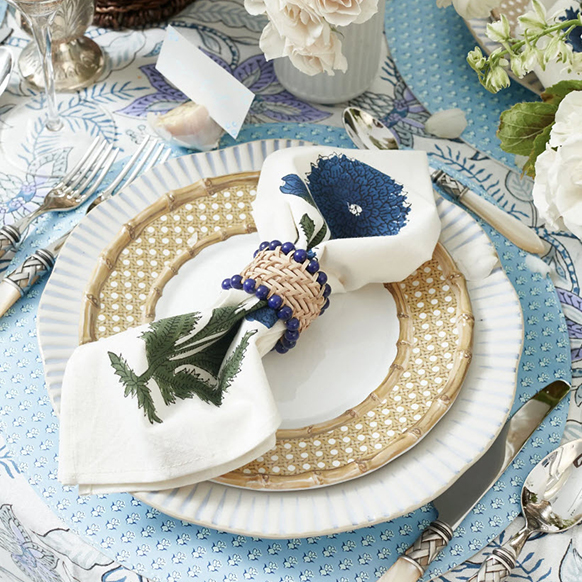
What’s a gathering without gorgeous dinnerware? Instantly add a touch of spring to your tabletop with these dessert plates, which feature some of our favorite pastel hues of the season. 


Photo courtesy of Tuckernuck

If you’re ready to start hosting outside, then opt for these cute melamine plates that are perfect for the grandmillennial. They’re kiddie-proof, too! 


Photo courtesy of Salt & Sundry

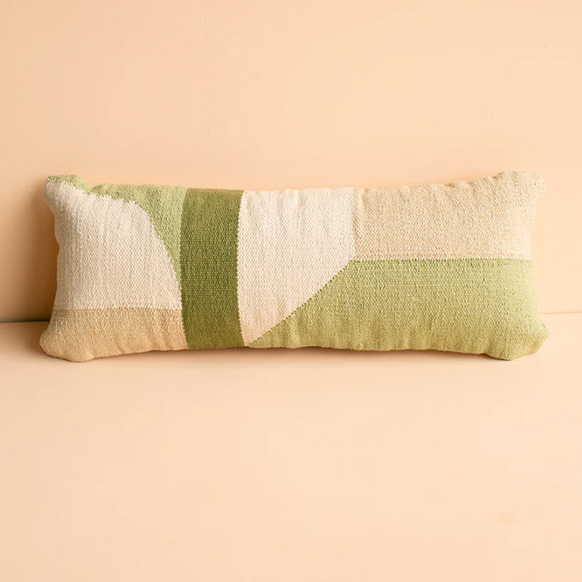
Bring some green into your living room with this cheerful throw pillow that leans nice and contemporary. Measuring 30 inches long, it’s nice and sizable. It would look beautiful on a bed as well. 


Photo courtesy of Red Orchard

Jazz up the powder room with this darling bird print that’s great for small spaces. At just 6 by 6 inches, it would look sweet on a bookshelf as well. 


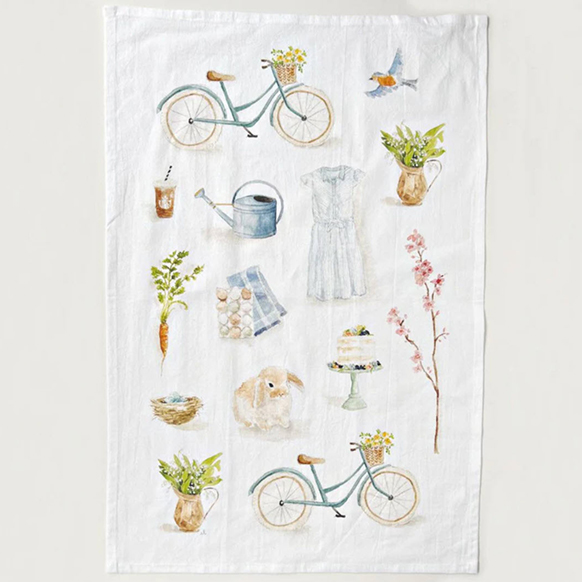
Photo courtesy of Red Barn Mercantile

Celebrate the start of gardening season with this oh-so-adorable tea towel that will add a splash of pep to your kitchen. It makes for a fantastic hostess gift, too, so grab one for a friend and wrap it around a bottle of wine! 


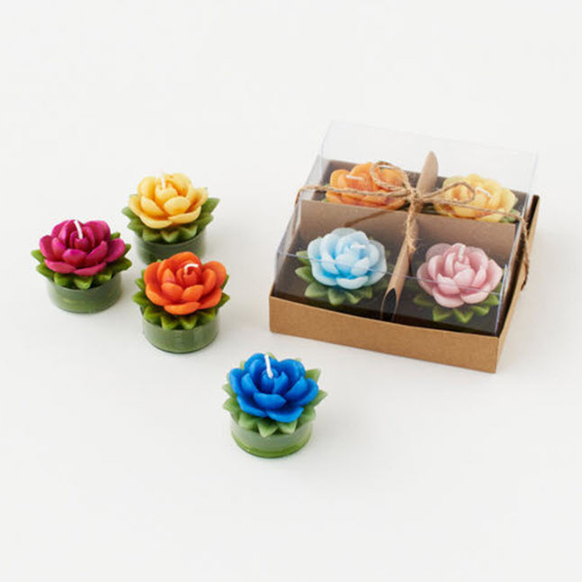
Photo courtesy of The Blue House

April showers bring May flowers, and these floral tea lights will simply bring good vibes to your next dinner party, whether it’s held indoors or out. They’re sure to be the talk of all of your guests.


Photos courtesy of The Opportunity Shop 

Last but not least, don’t forget to work some vintage pieces into the mix. This gorgeous blue vase is ideal for holding your latest clippings, while a classic Herend hors d’oeuvres dish is sure to make a statement on your coffee table when friends stop by.


Sarah Lyon Headshot


Sarah Lyon is a New York City-based freelance writer, originally from Bethesda, MD. She contributes to a number of national design and lifestyle publications like Architectural Digest, Apartment Therapy, MyDomaine, the Washington Post, and more. Sarah also works with designers to help them style spaces for photo shoots. Find more shelfies on her Instagram page, @sarahlyon9 


Don’t miss a post! Get the latest local guides and neighborhood news straight to your inbox!


Home Inspiration March 21, 2024

Front Door Décor: How to Make an Entrance

This week’s article is from our partners at The Scout Guide, giving insight on how to embrace your front door with décor.

Glass front door decor designed by emerson Bailey in Bozeman, Montana, Denver, Colorado, and Nyhamnslage, Sweden
Exterior design by Emerson Bailey. Photography by Emily Redfield.


Your front door décor deserves the same level of thoughtful consideration as any room in your home. Beyond being an entry point, it’s your abode’s first impression and a hint at the style inside. Here, Scouted designers share the essentials to create a stunning entrance with stop ’em in their tracks curb appeal.

Spark interest. With front door design, Susan Weiss, founder and principal of Emerson Bailey in Bozeman, Montana, Denver, Colorado, and Nyhamnslage, Sweden, explains that the goal is to evoke curiosity and intrigue about what awaits inside. She recommends gradually revealing the story of your home. “Approach it as a holistic experience, starting from the moment someone steps out of their car and moves towards the home. When a visitor approaches the door, the aim is to make them feel welcomed, comfortable, and intrigued,” she says

Clear the way for sunshine. The style of your house is obviously a consideration when choosing a door, but Lexi Lundberg, CEO and creative director of Lexi Grace Design in Greater Phoenix, Arizona, notes that bringing in more natural light should always be a consideration. If going the most transparent route, with an iron and glass door, is out of the question, she recommends opting for doors with multiple lites (a lite is a single pane of glass framed by wood), transoms, and sidelites (narrow vertical windows on either side of the door).


Home exterior designed by Emerson Bailey in Bozeman, Montana, Denver, Colorado, and Nyhamnslage, Sweden
Exterior design by Emerson Bailey. Photography by Emily Redfield. 


Make your door an integral part of design. Your front door décor sets the tone for your entire home and should not be an afterthought. “An exterior door significantly influences the external allure, potentially shaping the impressions of individuals who never actually enter the property,” Weiss says. When designing the front of a home her goal is to establish an expectation, making the landscaping, walkway, and actual front door all align with the interior design of the home.

Consider future upkeep. The aesthetic appeal of your front door is only as good as your ability to maintain it, Weiss stresses. Going with lots of glass? Plan to keep that glass cleaner at the ready. Over time, wood stains will lose their luster, especially in direct sunlight, so depending on your stain, you’ll need to re-varnish anywhere from annually to every three to four years. Paint can be more forgiving, but keep an eye out for fading and peeling. Weiss notes that a home’s well-maintained exterior signals the care and attention you can expect to find inside.


Front door decor design by Abigail Gardens in Charlottesville, Virginia.
Exterior design and landscaping by Abigail Gardens. Photography by Abigail Gardens. 


Draw on the style of your home. Choosing decorative elements for your front door décor can feel overwhelming, so Abigail Shelhamer, owner and head gardener at Abigail Gardens in Charlottesville, Virginia, advises her clients to let the style of their home guide their decision making. “A classic, brick home often calls for symmetry and simplicity, while a modern/contemporary home needs asymmetry and more easily gets away with unexpected elements such as tropical plants or bold colors,” she explains.

Simplicity is key. When choosing plants for a front bed or planters, Shelhamer notes it’s easier to achieve a polished look by avoiding mixing too many colors. Let the hue of your front door guide you to plant colors that are complementary. “When in doubt, keep it simple. Colorblock your flowers or add a pair of big ferns on either side of your entryway for understanded elegance,” she says.

Planter perfection. Quality is paramount when thinking about objects that will be living outdoors, ensuring that they are sturdy enough to stand up to the elements. “When you purchase a quality container, you’re purchasing it for life, so make sure that you love it and it fits the aesthetic of your home,” Shelhamer says. It’s important to choose a vessel that’s proportional to the size of your door and porch. Shelhamer advises that small porches look best with dainty urns, and big front entryways and porches need weightier planters for balance.


Glass front door decor by Lexi Lundberg, CEO and creative director of Lexi Grace Design in Greater Phoenix, Arizona
Exterior design by Bells + Baubles. Photography by Chloe Morgan. 


Add personality with fixtures. For an additional pop of personality, consider adding or updating your exterior lighting. Lundberg loves the look of a sconce next to a front door or a chandelier above your exterior entryway. She encourages her clients to step out of their comfort zone by choosing an unexpected, bold statement piece. For more lighting advice read Time to Shine: Expert Advice on Lighting Your Home.

Mix old with new. There is no better way to ensure a unique setup setup than incorporating vintage pieces into your front door décor. “Consider scouting local thrift shops or flea markets for uncommon treasures—vintage lanterns, weathered crates, or aged planters can add character and a touch of nostalgia,” says Chloe Morgan, CEO of Bells and Baubles in Tulsa, Oklahoma. Not only does this lend a distinct personality to your space, but it also ensures that each season tells a story with pieces that stand the test of time.

Hire a professional. If designing your front door décor feels stressful or doesn’t spark joy, Morgan recommends looking to the professionals. Whether you opt for a gardener, a designer or seasonal décor concierge, she notes that these professionals are able to bring a wealth of expertise to curate a look that aligns with your style. Consult The Scout Guide Directory to find the perfect expert to elevate your front door.

Emerson Bailey appears in The Scout Guide Bozeman. Lexi Grace Design appears in The Scout Guide Phoenix and Scottsdale. Abigail Gardens appears in The Scout Guide Charlottesville. Bells and Baubles appears in The Scout Guide Tulsa.


Don’t miss a post! Get the latest local guides and neighborhood news straight to your inbox!


Home Inspiration March 7, 2024

The Hottest Paint Trends for 2024 According to Designers

When Pantone announced their Color of the Year for 2024, The Scout Guide shared ways to bring a little Peach Fuzz into your home. Recognizing that a peachy-pink may not be to everyone’s taste, this week we are sharing the latest  TSG article featuring current paint trends from designers across the country.


According to a cadre of taste-making Scouted designers, this year’s hottest paint trends are all about embracing an invigorating shift towards nature-inspired hues, unexpected pops of color, and rich jewel tones. Grab your paint brush and prepare to be inspired by the trending shades that are sure to transform your interiors. To find a Scouted interior designer near you, consult The Scout Guide Directory.

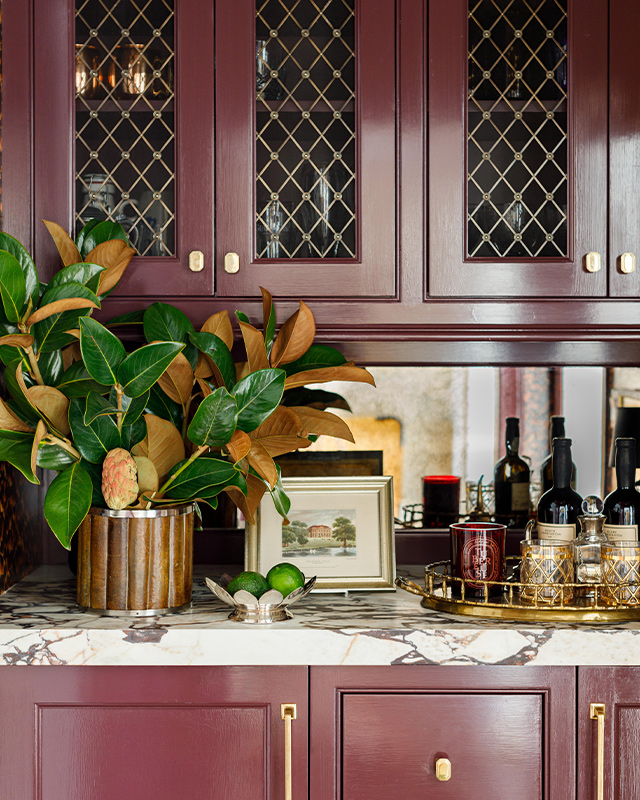
Interior design by M + M Interior Design. Photography by Aimee Mazzenga.

Brinjal by Farrow & Ball

“Brinjal is the bourbon of paints. It’s strong and moody and really quite sexy. It sits nicely between deep red and purple and it was inspired by the skin of an eggplant. It’s an incredible color to use as an accent, like the inside of a cabinet, but it also works well when used all over a room. Brinjal likes a little ambient light and does well with natural light, so be sure to use it in a space that gets at least one of those sources. I love it applied with a brush as it gives the color extra dimension.” –Leslie Martin, principal at M + M Interior Design in Kenilworth, Illinois


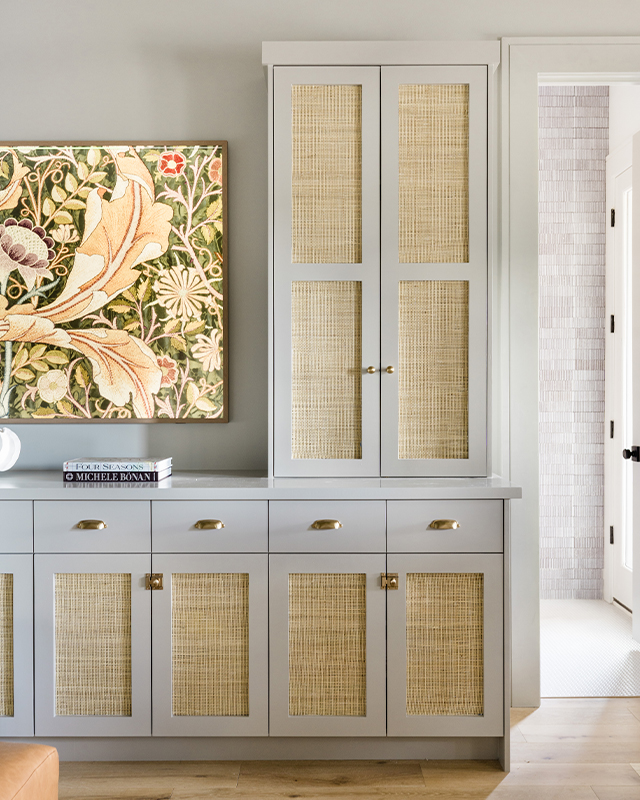
Interior design by Daley Home. Photography by Madeline Harper Photography.

Mindful Gray by Sherwin Williams

“I adore this warm paint color. It has a creamy, soft undertone, making it perfect for lighter, more open spaces. I used Mindful Gray in the family room above for the wall, trim, and cabinetry, which made it feel so inviting.” –Shelby Van Daley, founder and principal designer at Daley Home in Cedar Park, Texas


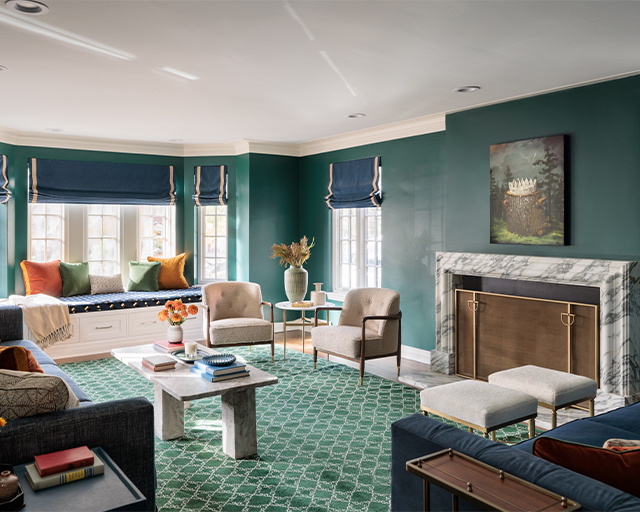
Interior design by Emily Tucker Design. Photography by David Lauer.

Dollar Bill Green by Benjamin Moore

“One trend that I’m seeing over and over are rooms painted in one dark hue. It gives a very cozy vibe and I love the effect. I like to do this with green and one of my favorite shades is Dollar Bill Green by Benjamin Moore.” –Emily Tucker, Emily Tucker Design in Boulder, Colorado
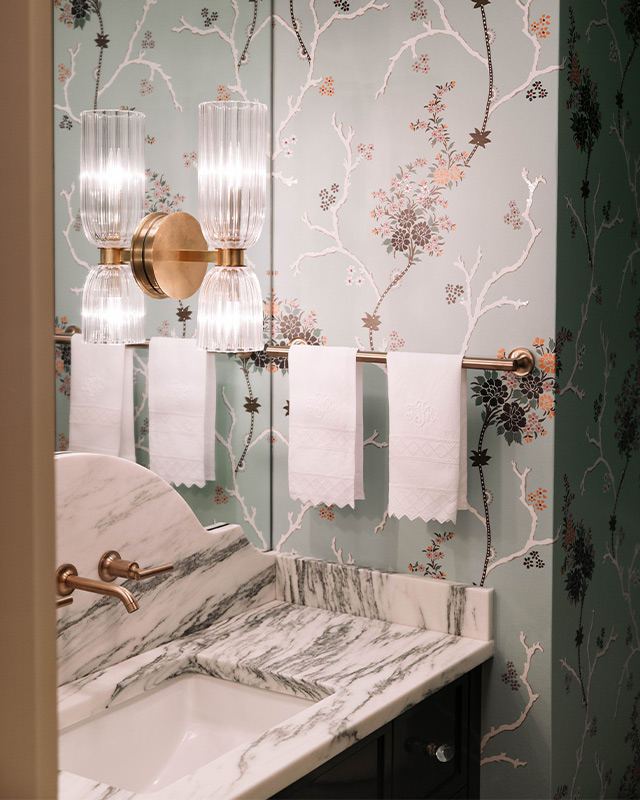
For more on creating cozy interiors, check out Happily Hygge: 22 Cozy Interiors That Inspire.

 

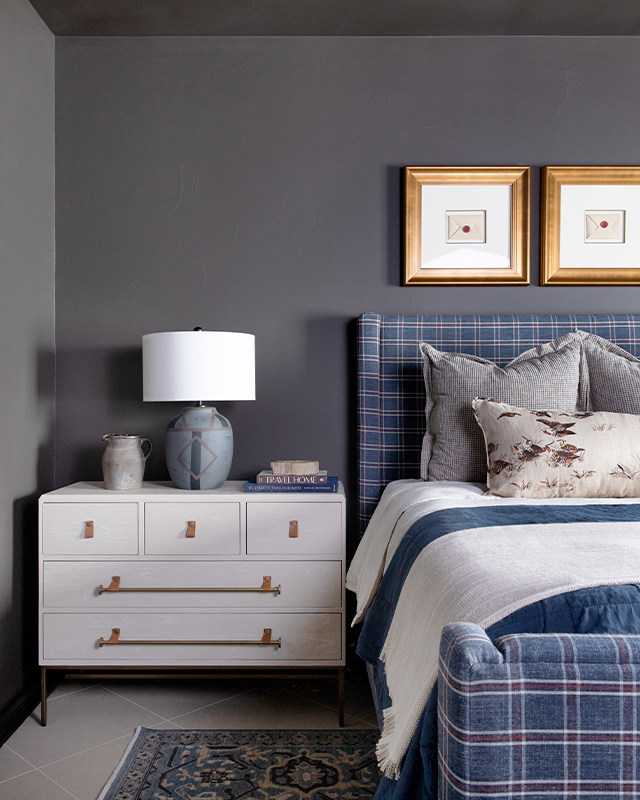
Interior design by Daley Home. Photography by Molly Culver Photography.
Sealskin by Sherwin Williams

“Sealskin provides a decidedly more masculine feel, as seen in the bedroom above. I often opt to use the same color on the walls, ceiling, and millwork. For walls and ceilings I prefer a flat or matte finish, and for the millwork and cabinetry I use a satin finish which creates a subtle, yet important textural difference in the materials.” –Shelby Van Daley, founder and principal designer at Daley Home in Cedar Park, Texas

For more on monochromatic decorating, read Tone on Tone: How to Master This Chic Design Trend.


Interior design by M + M Interior Design. Photography by Aimee Mazzenga.

Grandview by Sherwin Williams

“Using a color like Grandview, which is a fresh, cheerful green, is fantastic in a small windowless space. It reads moody when the lighting is dim and has a great vibrancy when it has a source of light. It’s a showstopper, so be prepared to use it in a room you want your guests to explore. This is not a blend into the background color, so best for those who are adventurous with color.” –Leslie Martin, principal at M + M Interior Design in Kenilworth, Illinois

To discover more adventurous interior paint colors, read The Best Bold Interior Paint Colors.

For more 2024 interior trends, click here.

M + M Interior Design appears in The Scout Guide North Shore of ChicagoDaley Home appears in The Scout Guide AustinEmily Tucker Design appears in The Scout Guide Boulder.


Don’t miss a post! Get the latest local guides and neighborhood news straight to your inbox!


Home InspirationReal Estate March 5, 2024

The Luxurious Technology That’s Transforming High-End Homes

If you’ve got the means, here are tech features sure to dazzle in any property

We recently reviewed smart-home technology that was easily accessible and affordable at various price points, and thought it would be fun to review tech that’s at the higher end of home design. Since we’ve already covered the places you’d expect to see helpful tech – kitchens, bathrooms, and garages – there are plenty of other interesting ways architects and designers are creatively incorporating luxe tech throughout the home.


The Ups & Downs of Living the High Life

Elevators are common in larger vacation properties but they are becoming more popular in full-time residences as homeowners look for ways to avoid stairs in vertical homes, especially for owners who require mobility assistance, want to age-in-place, or for large families with strollers and supplies to ferry up and down. Michael Caporiccio of TK Elevators reports that installing a small, 3-stop elevator with a capacity of about 750 lbs. runs about $80,000, while a larger unit similar to the size in a public building with a capacity up to 2,000 lbs. could be as high as $150,000. Maintenance costs and repairs can be pricey, but for those who desire the ease of pushing a button and gliding to the top, a luxe lift is at the height of affluent abodes. Take a peek at this Clifton listing by Joan Reimann which features an elegant elevator. 


What Are You Hiding?

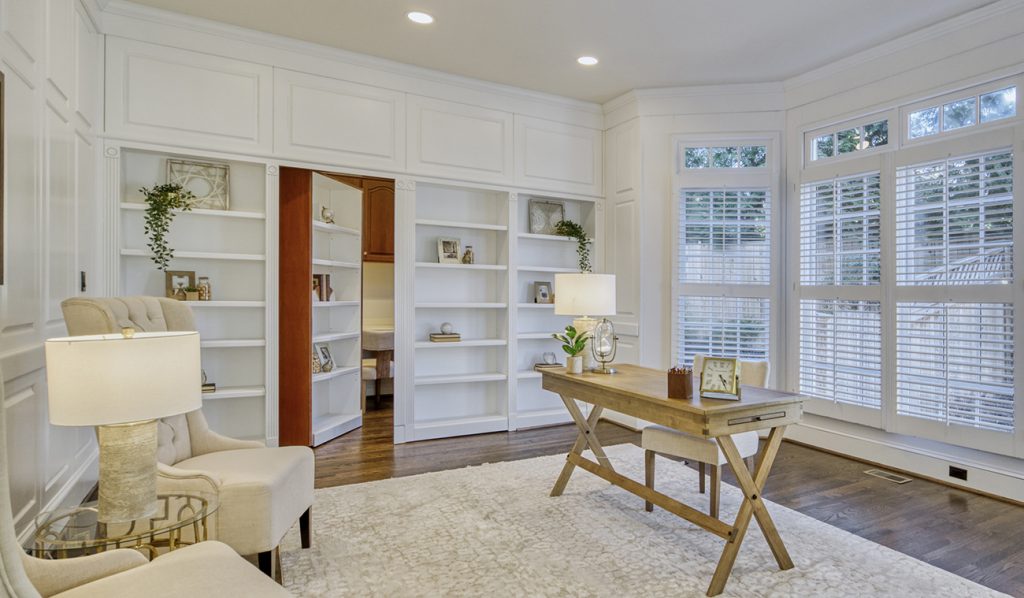
Home bunkers have come a long way from Cold War Era basement enclosures, and from Panic Room to the recent Leave The World Behind, Hollywood loves to showcase how the upper echelon hides away their treasures – both material and personal. From a “safe room” where residents can protect themselves or their valuables from a home invasion or extreme weather event to entire wings of a home meant for sumptuous hiding out, security-conscious owners are adding protective home tech at an increasing pace. According to Mansion Global, costs can range from $30,000 to $80,000 for high-end vaults, $50,000 to $300,000 for basic armored rooms, and over $1M for elaborate constructions – usually in a home’s basement or dug deep into the ground elsewhere on a property. But not all hideaways have to be over-the-top: see if you can spot the tidy hidden room in this current McLean listing, represented by Chris Pritchard and Barbara Patton


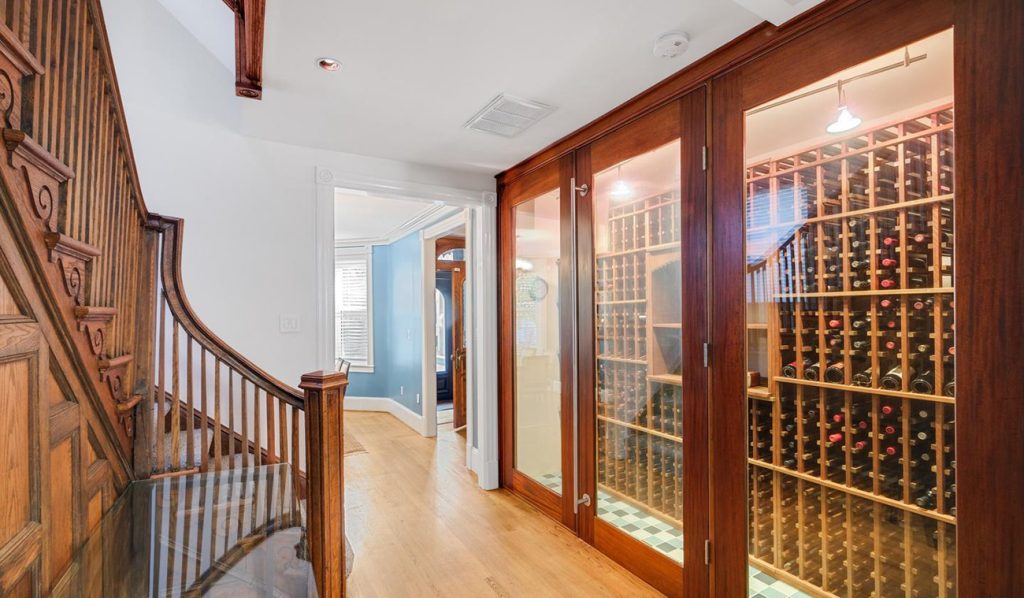
Climate-controlled wine vault in Capitol Hill Rowhouse listed by Lisa Coutts with Cher Castillo & Co.

Where Everybody Knows Your Name

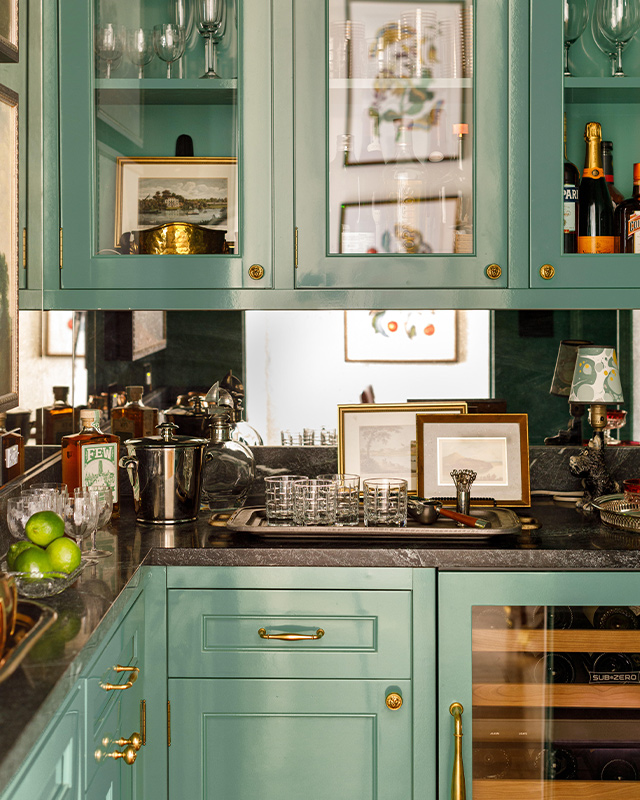
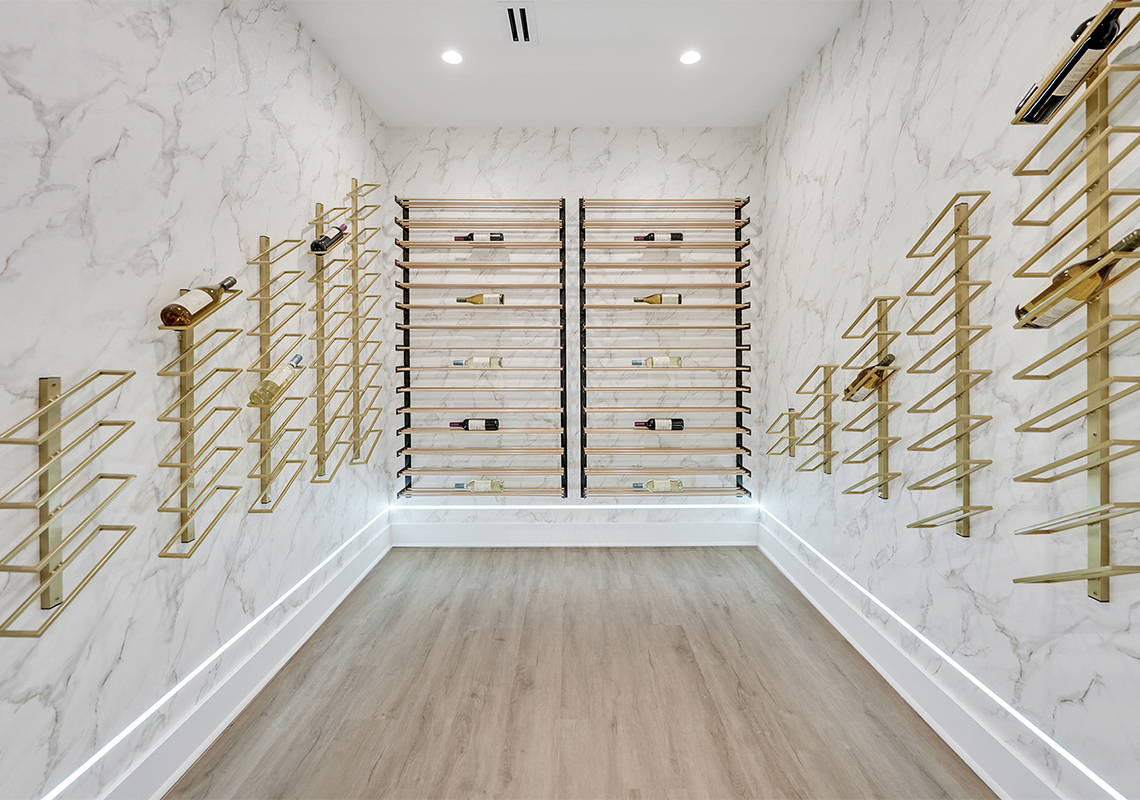
Who needs a night on the town when you can serve the best drinks in town at your deluxe watering hole? Wine rooms and cellars and their tech-forward features have been de rigueur for luxury homes but in-home posh pubs are gaining ground. No longer relegated to tucked-away bar carts or basement “man caves,” these entertaining areas add a dash of glamour and style with high-tech twists, courtesy of temperature regulators, automated home brewing machines, expert mixing gadgets, and saucy cocktail apps. Check out both the sleek bar and elegant wine room in this McLean listing represented by Sara Fox and the lavish tasting room in this Leesburg home listed by Jackie Wynn…cheers!


Grab Some Popcorn and Take a Seat

No tech-forward dwelling is complete without a home theater and there are as many ways to outfit the space as there are entertainment options. Bespoke electronic systems – including TV, home cinema, audio, mood lighting, and VR gear – can be used by all members of the family and add engaging activities to any gathering. Advances in electronics move faster than most other home tech so it’s worth it to keep up with trends from experts at CES, which just held its annual conference and showcased some of the newest TV advances, including features like transparent screens, a 115” model and even a foldable TV! Try out the funky media room in this Purcellville listing by Thadd Kezar and dream about what you might add.


The Great Outdoors

Outdoor space is getting a LOT of attention at the moment, perhaps from when we were sequestered during the pandemic or as a way to maximize all the space of a property. And while the ole backyard might not seem like a place for high-tech, there are opportunities to add a bit of science to the flora & fauna. From spa-worthy pools to al fresco kitchens to eco-friendly gardens, outdoor spaces are being lavished with luxe touches. For an example of sublime outdoor spaces, spend some time with this serene oasis in The Plains, courtesy of Kevin Chung, the tiki bar and putting green at this Alexandria listing by Rebecca McCullough, and the expansive bucolic views from this Front Royal estate – with space for a helicopter or an RV! – listed by Anne McIntosh & Maria Eldredge.

Whether your budget allows for the maximum inclusion of state-of-the-art features & finishes or you’re more modest with the luxe touches, the opportunities to test out home tech can be found for every room of your home at every price point. Let an experienced McEnearney | Middleburg Real Estate | Atoka Properties Associate guide you to the home that fits your needs and speed!


Don’t miss a post! Get the latest local guides and neighborhood news straight to your inbox!


Home Inspiration February 20, 2024

2024 Interior Design Trends, According to the Experts

Earlier this month we explored some quick and easy ways to incorporate animal prints into your home – a trend that’s chic and fun. This week we would like to share an article from our partners at The Scout Guide with trends for 2024 from design professionals around the country.


From the hallowed pages of Architectural Digest to viral TikTok posts, the interior ethos this year is all about creating spaces that spark joy and reflect who you are. With that in mind, we asked five Scouted experts to share the trends they’ve been obsessing over, and they all leave plenty of room for personal interpretation. Viva la difference!


Interior design by Cashman Interiors. Photography by Kate Dearman.

Pretty in pink.

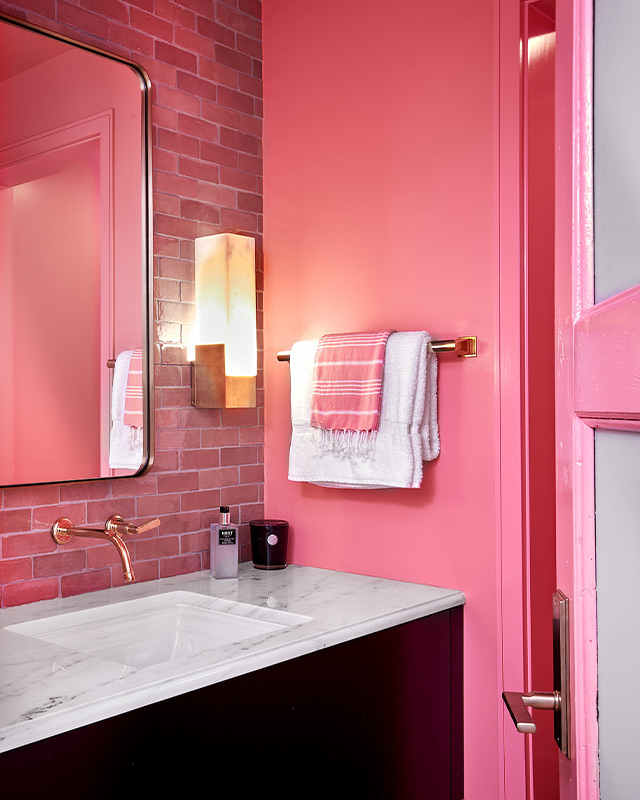
From Barbie’s favorite shade to the Pantone Color of the Year, rose-colored hues are having their moment, and Margaret Cashman, co-founder of Cashman Interiors in Lexington, Kentucky, confirms that pink will remain a staple in stylish interiors this year. “Some people may shy away from such a bold, bright hue,” she says. “But pink really does pair well with just about any accompanying color. Blue, green, and even red!”


Interior design by Anne Pulliam Interiors. Photography by Stacy Zarin Goldberg.

Mix in a dash of old.

While mass-produced pieces have their place and practicality, Anne Pulliam, founder of Anne Pulliam Interiors in Richmond, Virginia, shares there’s nothing quite like the patina of a well-worn antique in an interior. “I’ve found that my clients are more and more drawn to antiques not merely for their aesthetic appeal but also for the sense of legacy they impart within their homes.” An added bonus? By mixing collected items and contemporary pieces, your interiors instantly acquire a more timeless feel.


Interior design by Anne Pulliam Interiors. Photography by Stacy Zarin Goldberg.

Create a chromatic embrace.

In a world that often feels too fast-paced and chaotic, creating spaces to escape, unwind, and relax is essential. Rooms filled with a similar hue have an incredible ability to evoke emotion and offer sanctuary, Pulliman shares. Achieve this effect by cloaking walls, ceiling, and even trim, in a singular shade. Add a touch of complexity by utilizing wallpaper to incorporate a layer of depth and intrigue that paint alone cannot achieve.


Interior design by Molly Van Amburgh. Photography by K8 Creative.

Keep it cozy.

“While I love a light and bright moment to make a home feel welcoming, a darker, cozy room is a must if you have the space,” shares Molly Van Amburgh, founder of Molly Van Amburgh Interior Design in Dallas and Fort Worth, Texas. As seen in this perfectly appointed space above, a study or den done in dark tones evokes a sense of intimacy and comfort.


Interior design by Molly Van Amburgh. Photography by K8 Creative.

Dining rooms are back.

Those who’ve been hesitant to embrace open floor plans will be glad to know the tides are changing back towards more traditional home layouts. “Architects and clients are moving away from the idea of one big, open space where you live, dine, and cook, in favor of a separate dining space to host ‘grown-up dinner parties’,” Van Amburgh shares. “As an entertainer, it’s important to separate yourself from the kitchen, allowing you and your guests to sit back and relax, away from the mess in the kitchen.” No one wants to stare at the pile of dirty dishes in their sink while they’re still enjoying dessert.


Interior design by Molly Van Amburgh. Photography by K8 Creative.

Carve out a spot for a proper “cheers.”

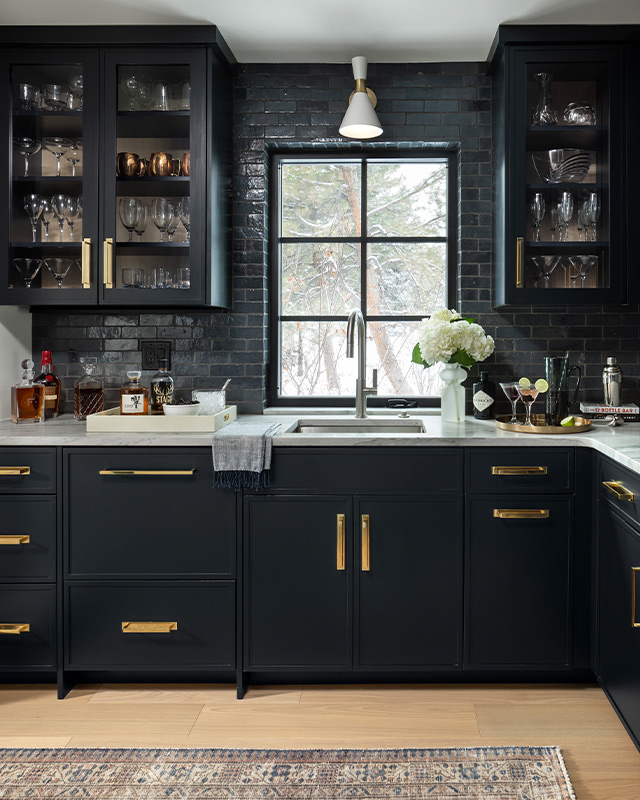
In-home bars are making a comeback. We’re not talking about the basement tiki bars favored by the Greatest Generation, but dedicated spaces in kitchen, living, and dining areas, where the goods—whether it be coffee or cocktails—get made. Van Amburgh notes that this is where people tend to gather, so tricking out this space can be money well spent.


Interior design by The Owen Group. Photography by Rachel Manning.

Add a dose of personality.

One of the biggest trends of 2024 is to, well, eschew trends. Cookie cutter homes are out and personalized interiors are in, reports Brelan Owen Pearson, senior designer and manager of operations at The Owen Group in Watercolor, Florida, and Bellaire, Texas. Pearson works with her clients to find pieces they love, including helping them build meaningful collections, creating interiors with a cohesive mix of old and new for an overall truly unique, personalized space.


Interior design by Kaleidoscope Design. Photography by David Patterson.

Keep monochromatic palettes interesting with texture.

Layering of materials is that next level of design that always leads to beauty. “You can achieve so much texture by pairing the same monochromatic materials of different textures to really emphasize the architectural importance of a space,” Cassy Kicklighter Poole, owner of Kaleidoscope Design in Denver, Colorado, and Charlotte, North Carolina, shares. Expand your use of texture by thinking outside of textiles and incorporating it through tile, hardware, and even lighting materials.


Interior design by Kaleidoscope Design. Photography by David Patterson.

Color that goes for it.

It’s time to bid adieu to beige and greige. Poole confirms that gone are the days of muted neutrals as the ruling design trend. Her clients are seeking more self expression in their design and that means opting for an explosion of color and moody hues that really set the tone. Some of her favorite palettes include copper, warm blacks, brass and gold.


Interior design by The Owen Group. Photography by Rachel Manning.

Create a space made for your needs.

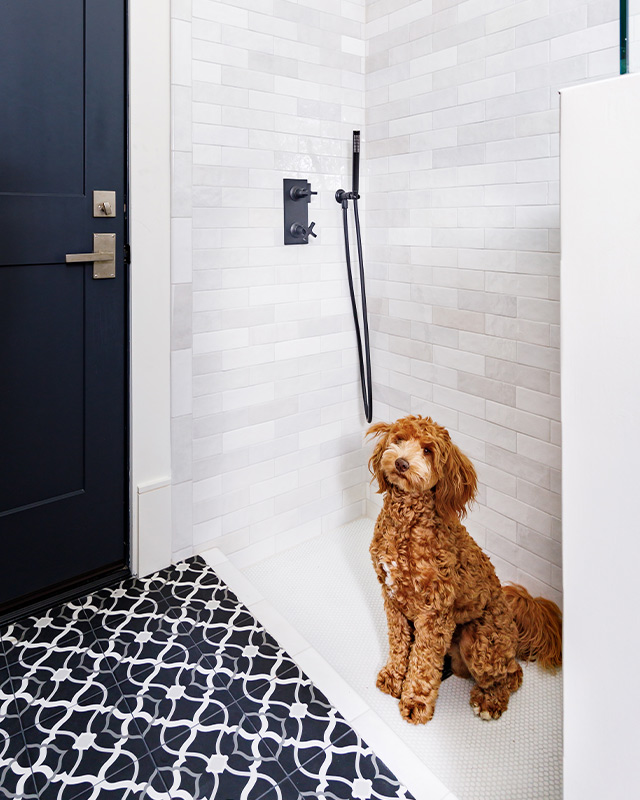
The ultimate luxury in home design is customizing your home to your lifestyle, and not worrying about the resale value down the road. Pearson has seen a surge in demand for bespoke and individual-centric spaces, running the gamut from a dog wash and Mahjong room to a bunk room for grandkids. “There are no longer firm rules for what’s included on a floor plan,” she explains. Dream big—this is your home!


Interior design by Cashman Interiors. Photography by Kate Dearman.

Make it metallic.

Wallpaper made a major comeback a few years ago, but the latest incarnation adds a hint of shimmer, putting a modern spin on this 70s trend. Cashman encourages her clients not to fear a little sparkle. “Metallic wallpaper reflects light, adding more dimension to a space,” she says. If you’re wary of a full-on embrace of this trend, start small. A powder room is always an exceptional space to experiment with more edgy design trends.

Margaret Cashman, co-founder of Cashman Interiors in Lexington, Kentucky. Anne Pulliam, founder of Anne Pulliam Interiors in Richmond, Virginia. Molly Van Amburgh, founder of Molly Van Amburgh Interior Design in Dallas & Fort Worth, Texas. Brelan Owen Pearson, senior designer and manager of operations at The Owen Group in Watercolor, Florida and Bellaire, Texas. Cassy Kicklighter Poole, owner of Kaleidoscope Design in Denver, Colorado and Charlotte, North Carolina. Cashman Interiors appears in The Scout Guide Lexington. Anne Pulliam Interiors appears in The Scout Guide Richmond. Molly Van Amburgh Interior Design appears in The Scout Guide Fort Worth. The Owen Group appears in The Scout Guide 30A & Destin. Kaleidoscope Design appears in The Scout Guide Denver.


Don’t miss a post! Get the latest local guides and neighborhood news straight to your inbox!


Gift GuideHome Inspiration February 13, 2024

It’s an Animal Print Winter

Remember back in 2013 when Jenna Lyons, then the executive creative director and president of J.Crew, proclaimed leopard to be a neutral? We certainly haven’t forgotten the bold statement, and over a decade later, we’re still going wild for leopard (and all other types of animal print, for that matter). If you’re looking to liven up your space with some animal print this winter, look no further than our shopping picks below for the home. 


Photo courtesy of Tuckernuck

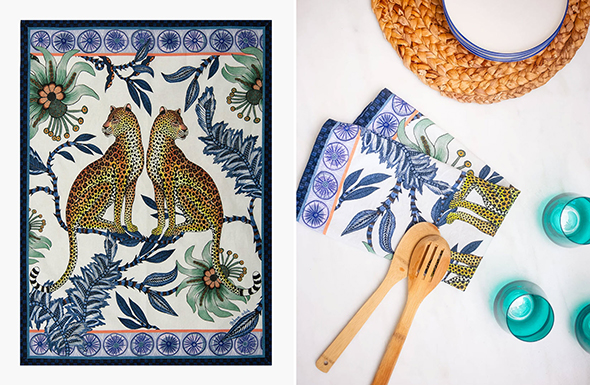
DC-based retailer Tuckernuck knows how to do animal print right. This colorful tea towel, featuring two leopards, makes for a great hostess gift (or just a little treat for yourself!) and will add tons of pep into the kitchen. 


Photo courtesy of Etsy

A travel pouch like this one will have you feeling excited to pack up all of your cosmetics for a weekend getaway. Grab another to keep in your everyday tote and fill it with on-the-go essentials like bandaids, hand sanitizers, breath mints, and the like. 


Photo courtesy of Pottery Barn

What could be better than spending a winter weekend afternoon snuggling up with this faux fur cheetah throw while flipping through a stack of magazines? An oversized blanket like this one will add a pop of pattern to your living room even when it isn’t in use. Choose from two different sizes—you can even tuck it into your bed for an extra layer on particularly chilly nights. 


Photo courtesy of Cambridge Uncommon

Take your next gathering up a notch with chic cocktail napkins featuring darling leopards which are accompanied by witty phrases. They’re on sale right now, too, coming out to just $6 per reusable napkin, so you’re scoring an amazing deal.


Photo courtesy of Matches

Is there anything more stylish than a tray like this one? We think not. Place it on your coffee table, dresser, or bar cart—whether you use it to corral remotes or perfumes, it will add plenty of sophisticated flair to your home.


Photo courtesy of The Inside

X-benches are super versatile in that they can serve as seating but can easily function as a side table when needed (just place a tray on top and you’re golden). This leopard print bench will brighten up any room of the home in an instant and is sure to garner compliments. We like the idea of sliding two of these under an entryway console for a little extra pizzazz. 


Photo courtesy of Spoonflower

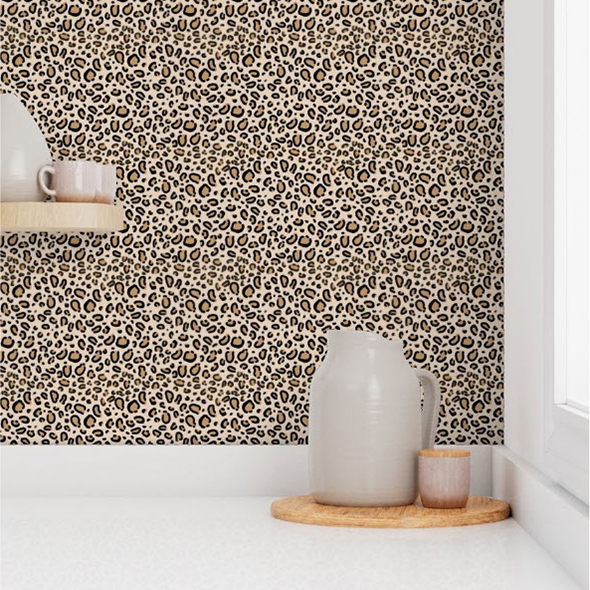
Removable wallpaper is a no-fail way to experiment with a new look without committing to it for years on end. This leopard design would be extra fun in a kid’s room, powder bath, or walk-in closet. The possibilities are endless! 


Photo courtesy of CB2

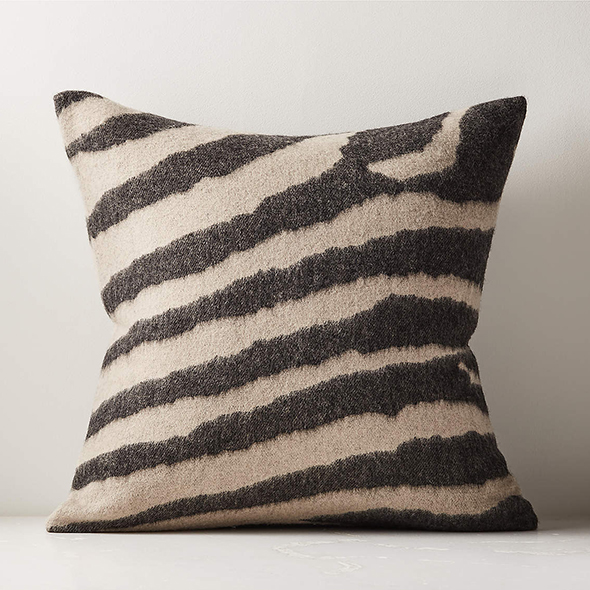
If your sofa is begging for a little something extra, take a peek at this tiger throw pillow, which is sure to impress. It looks way more high-end than its $50 price tag suggests – if you ask us.


Sarah Lyon Headshot


Sarah Lyon is a New York City-based freelance writer, originally from Bethesda, MD. She contributes to a number of national design and lifestyle publications like Architectural Digest, Apartment Therapy, MyDomaine, the Washington Post, and more. Sarah also works with designers to help them style spaces for photo shoots. Find more shelfies on her Instagram page, @sarahlyon9 


Don’t miss a post! Get the latest local guides and neighborhood news straight to your inbox!