 Facebook
 X
X
 Pinterest
 Copy Link
Real Estate Appraisals in a Shifting Market

One of the most important players in a real estate transaction often flies under the radar: The Appraiser.
How do you know that your home was worth what you paid for it?
How did the bank determine if the loan was secured properly?
How did the seller and their agent come up with the list price in the first place?
The work of one person – an appraiser – answers the above and represents the grease that keeps the wheels of real estate turning. An appraiser is an independent, impartial, and objective professional in the mortgage transaction who develops a report which is a credible, reliable, and supported opinion of value. The work that they do has a direct impact on how much buyers might pay for a home and whether a loan may be approved at all for the property.
John Chapman, co-owner of Omni Appraisal Services based in Fairfax, VA who has over 30 years of appraisal experience, recently spoke to a packed audience of McEnearney Associates | Middleburg Real Estate | Atoka Properties agents who turned out to hear how appraisals may be affected by National Association of Realtors® (NAR) changes in how buyer agents are paid for their services, among other topics.
“Our job is to reflect what’s going on in the market,” Chapman explained. “We’re not creating the value, we’re just reporting what we see in the market.”
Data used in an appraisal report is culled from various sources, the most important being information shared by agents. Chapman explained that appraisers are looking at previous comparable sales transactions, called “comps,” for as much detail as possible in the listing notes. Appraisers want to see hard data like plats, surveys, list of improvements/renovations, an array of pictures of the property, and whether there were multiple offers. But appraisers are also looking for insight agents may have gathered in their own research on the comps used to set a price. This could include details such as whether the home is being sold in a divorce (which could decrease sales prices), if there was an odor (such as from smoke or pets), what traffic noise could be heard from the property, and what concessions may have been offered to the buyer.
“Each situation is case-by-case,” Chapman said when asked about the deciding factors in creating a report. “There are all these little clues that I’m trying to piece together that come up with my value report.”
Beginning August 14, concessions from a seller could also include money to pay a buyer’s agent’s fee. Historically, those agent fees were paid through “cooperative compensation” whereby the seller’s brokerage shared a portion of the sales commission earned with the buyer’s brokerage, and this commission amount was advertised in a local multiple listing service (MLS). But recent NAR changes mean that all concessions – including home inspection repairs, closing costs, and other buyer fees – are negotiable between the seller and buyer within the terms of an offer and not determined at the time of listing.
Chapman is concerned that not all agents will report concession information the same way, potentially leaving out important comparable cost data that could help in more accurately determining the value of a subject property.
Some complicating factors in determining a home’s value are specific to our region, Chapman noted. For example, because of low inventory there may not be comps for a subject property and the appraiser will have to look further than the standard 3-6 months of sales to find a comparable property. This is especially true for unique properties and homes in the luxury market. There’s also the way that different jurisdictions count square footage, where some include basements and some do not, depending on how much of the basement is above-grade (it gets complicated!)
Chapman also shared that kitchens offer the most value to a property, followed by bathrooms. Green and renewable energy features are starting to become a factor in appraisals because of new lending guidelines to factor their value into a report.
Also of note: building cost increases due to post-pandemic inflation and supply issues. “It costs more on a per square foot-basis – labor, materials – to build a house now prior to (COVID-19),” Chapman shared. “What appraisers are adjusting for … has increased over the past few years to match the market.”
If you are considering selling or buying a home, here’s what your future appraiser would like you to know.
For Sellers:
- Review your tax record to check for errors or missing information.
- Provide your listing agent with a list of all home improvements and their dates.
- Document features that may not be readily observable, like hardwood floors under carpeting or an easement.
- Understand that what you have paid for home improvements may not equal the value these improvements are given in the appraisal report. A $100,000 kitchen renovation doesn’t necessarily equal $100,000 in market value.
- If you conduct a pre-listing appraisal, expect that it may be out-of-date by the time a buyer’s appraisal is ordered. While you can share that information with the appraiser, it may not have much influence on the final value.
- Be careful about “testing the market” and pricing higher than recent comps. Even if a buyer is willing to pay an inflated price, the home may not appraise at that price and the deal could be in underwriting jeopardy.
For Buyers
- Exercise your right to have an appraisal conducted, even if you are paying cash. This is likely your most valuable asset so you’ll want to know what you have!
- If you have an Appraisal Contingency, stay on top of the deadlines and communicate with your lender about any information you learn through the appraisal process.
- Be prepared that a home may not appraise for the contracted sales price and discuss a strategy with your lender and agent for next steps.
Pricing a home is often likened to “an art, not a science” given all the factors that are used to determine value. The appraisal process helps to put hard data into the mix to give buyers and their lenders the confidence that they are getting their money’s worth. Consult with one of our Associates to come up with a plan to value, price, and close on your home!
Don’t miss a post! Get the latest local guides and neighborhood news straight to your inbox!

5 Kitchen Cabinet Color Trends We’re Loving

This week we would like to share an article from our partners at The Scout Guide informing us of trendy kitchen cabinet colors.
Thanks to the sage advice of our Scouted design experts, we’ve uncovered the kitchen cabinet color trends you’ll increasingly find in the most stylish homes. The key to superior storage? Injecting a healthy dose of personality.
1. Get playful with pastels

Interior design by Julie Terrell Interior Design; photography by Hector Sanchez.
For those who love a colorful kitchen but are more restrained in their design aesthetic, Julie Terrell, owner of Julie Terrell Interior Design in Birmingham, Alabama, recommends opting for a pretty pastel hue. The main benefits of pastel cabinetry is its ability to add color and charm to a kitchen while keeping the space bright. Ready to try out this trend? Terrell is especially fond of a classic light blue, which pairs well with neutral colors and natural materials.
2. Wood veneers make a comeback

Kitchen cabinetry by Bluebell Fine Cabinetry & Design; photography by Jason Varney; styling by Kristi Hunter.
Everything old is new again and today’s more modern kitchens are featuring rich wood veneers. Peter Cardamone, creative director and partner at Bluebell Fine Cabinetry & Design in Wayne, Pennsylvania, explains that to enhance this sleek, minimalist design approach, incorporate integrated finger grooves as handles. This allows the beautiful wood finish and clean lines to shine without the interruption of hardware.
3. Go bold with color

Interior design by Shed & Co; photography by David Patterson; styling by Natalie Warady.
All-white kitchens are a classic that will never go out of style, but Cassy Kicklighter Poole, founder and owner of Shed & Co. in Denver, Colorado, notes that adventurous color choices are becoming a lauded option. “While a neutral palette in a kitchen will always have our hearts, when it comes to cabinetry I am all for a pop of color to achieve an element of drama and whimsy,” she explains.
4. Mix it up

Interior design by Julie Terrell Interior Design; photography by Jean Allsopp.
Easily executed in a multitude of chic combinations, kitchen cabinetry featuring mixed finishes is a surefire way to create a bespoke feeling in the heart of your home. Terrell suggests the classic pairing of white cabinetry and warm natural wood to anyone interested in moving forward with this double dose of design. “When used on the island or base cabinets, natural wood adds visual weight and elegance to a timeless white kitchen,” she says. If you desire a more moody vibe, Cardamone loves the look of light blues, greens, and taupes, such as Farrow and Ball Elephants Breath, mixed with accents of rift white oak and rich walnut.
5. Embrace natural wood

Kitchen cabinetry by Bluebell Fine Cabinetry & Design; photography by Jason Varney; styling by Kristi Hunter.
Rift cut oak cabinets—favored for its captivating linear appearance and color variations—are on the rise thanks to the warmth and natural movement they create in a space. A more traditional option than the wood veneers referenced above, Kicklighter appreciates rift cut oak cabinetry for its ability to seamlessly blend with various design aesthetics, allowing for flexibility in the finishes and accessories, as well as the peace of mind that your kitchen design can morph if your tastes change in the future.
For more expert advice on kitchen design, discover which countertops are hot right now and get inspired by our Kitchen Trend Report.
Don’t miss a post! Get the latest local guides and neighborhood news straight to your inbox!
Why Is Climate Change More Dangerous For Some Communities Than Others?

It’s been the hottest year on record. How are you and your home holding up?
There’s no other way to describe it: this summer’s heat has been brutal. The DC-Metro area has been crushed by oppressive heat – The Washington Post’s Capital Weather Gang reported “every metric used to assess heat ranks among the most extreme in records that date to the late 1800s” – while temperature records across the country and the world have similarly been broken. And we still have several more weeks of summer to get through.
Heat, humidity, strong thunderstorms, flooding, hurricanes, and air pollution caused by wildfires and smog are all dangers not just to residents but to properties as well, and some neighborhoods and their residents are more prone to the effects of climate change than others. Urban communities like Washington and its suburbs are particularly vulnerable and it’s important for homeowners and dwellers to do what they can to mitigate how climate change affects not just their health but their homes.
Who Is At Risk?
According to studies by the Environmental Protection Agency (EPA), certain groups are more vulnerable than others to the health impacts of climate change due to social and economic factors like income, age, education, health care access, and housing which can affect people’s ability to prepare and cope with climate hazards. Socially vulnerable groups in the United States include communities of color, low-income groups, certain immigrant groups, and those with limited English proficiency. These groups may be more at risk because:
- They may live in locations that are prone to climate-related health hazards, such as flooding, extreme heat, and air pollution.
- They can have greater rates of existing medical conditions, such as physical disabilities, poor mental health, kidney disease, diabetes, asthma, or heart disease, which can be worsened by climate change impacts.
- They may live in urban and rural areas with poorly maintained or aging infrastructure that may not be able to handle climate-related events. Such infrastructure can include buildings, utilities, and transportation and health care systems. Individuals in these communities may also struggle to access resources and care during and after extreme weather events.
- They may have limited financial resources or cultural, language, or citizenship barriers that restrict their access to health care, social services, and safe, nutritious food.
How To Determine Risk
One comprehensive resource is the Climate Mapping for Resilience & Adaptation site (CMRA), which was developed in 2022 as part of an interagency partnership working under the auspices of the U.S. Global Change Research Program (USGCRP) and with guidance from the U.S. Federal Geographic Data Committee (FGDC). It is funded by federal grants and compiles information from various sources, including the Department of the Interior, Department of Energy, the National Oceanic and Atmospheric Administration (NOAA), and NASA among many others.
At the heart of the CMRA portal is the Assessment Tool, an interactive application that provides statistics, maps, and reports on climate conditions for every county in the United States, while the Climate Resilience Toolkit helps residents determine their specific risk not just to themselves but to their assets, like a home or a business.
Another option from Realtor.com offers homeowners risk assessments on a specific property for flood, heat, wind, air quality, and wildfires through FirstStreet.org, a research and technology nonprofit with expertise in assessing physical climate risk at the property level in the United States.
How to Combat Risks
Local, state, and civic authorities are the frontline for promoting Environmental Justice, a movement that calls for the “just treatment and meaningful involvement of all people, regardless of income, race, color, national origin, Tribal affiliation, or disability, in agency decision-making and other Federal activities that affect human health and the environment.” The EPA cites several ways for citizens to get involved via grants and resources, strategic and community planning, and collaborative resources.
Here are ways individuals can also identify, assess, and combat climate change risks:
- MyMoney.gov offers a roster of governmental resources in an easy-to-navigate format, and includes not only education about environmental hazards but also how to develop a disaster plan, what resources are available after a natural disaster, how to avoid fraud and scams, and how to modify a home to mitigate climate risk.
- The United Nations offers 10 Actions that individuals can take to limit their contributions to climate change and how to get involved on a global level.
- The World Economic Forum offers tips on climate-proofing homes.
- The Consumer Financial Protection Bureau offers guidance specifically on housing, breaking it down for buyers, renters and current homeowners.
Check out these local organizations who are working on education, prevention and policy in our region:
- DC’s Commission on Climate Change and Resiliency
- Maryland’s Commission on Climate Change
- Northern Virginia Regional Commission (a division of Virginia’s Department of Environmental Quality)
- Fairfax County’s Office of Environmental and Energy Coordination
- West Virginia University’s WV Climate Link
- Climate Change Resources (choose your location)
It can feel overwhelming as an individual to mitigate the effects of climate change, especially if you are part of a community that is bearing an unequal burden caused by climate disasters. Learning about the resources available is the first step in protecting your health and your home for what will come next.
Don’t miss a post! Get the latest local guides and neighborhood news straight to your inbox!
15 Best Beaches, Lakes, & Rivers Near Washington DC, Maryland, and Virginia

Water recreation may not be the first thing you’d think to associate with the Greater Washington area, but it is a surprisingly rich region for a variety of activities– from beaches and boardwalks to sprawling lakes to nearby walking trails and dining.
Grab your new swimsuit, a boogie board or floatie, and favorite snacks, then head to these nearby watering holes this summer.
Beaches
1. Dewey Beach, Delaware

Dewey Beach, the city, lies on a strip of land about one mile long and two blocks wide. It is lined with a wide, sandy beach opening to a clean stretch of ocean on one side, and by a broad bay on the other side. During the summer months, it is known for young revelers coming to spend nights at any one of the iconic bars in the area, but it is also a popular spot for families to visit. There are a wide array of accommodations, from hotels to small houses to condos. Plenty of restaurants line the boardwalk, from takeaway fries to casual seafood to fine dining. The beach even stays dog-friendly during peak season before 9:30 a.m. and after 5:30 p.m.
2. Rehoboth Beach, Delaware
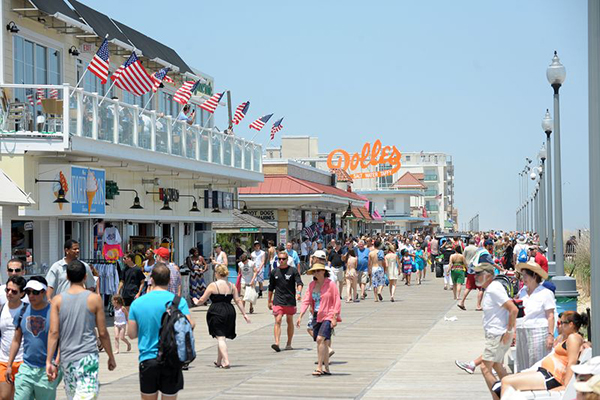
Just up the coast from Dewey Beach, this regional destination boasts one of the best boardwalks in the nation. Among its many magnificent finds along the boardwalk, the Rehoboth Beach Bandstand Summer Concert Series is one of the best reasons to visit. Consider making a second stop at the Dogfish Head brewery nearby.
3. Ocean City, Maryland
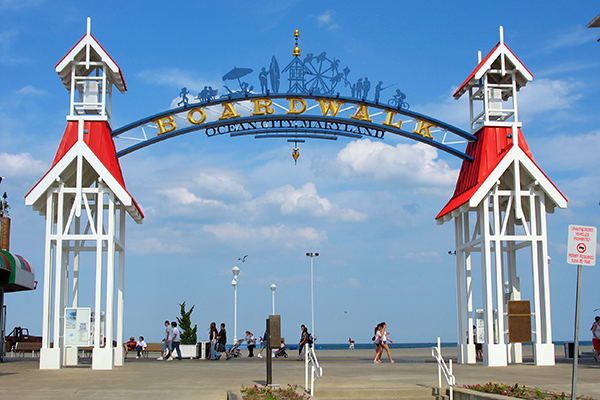
Our favorite destination for a typical boardwalk experience, complete with a scenic beach, arcades, ferris wheels, and every variety of fried food, Ocean City is a nearby gem worth visiting year after year. Take a look for yourself on the OC Boardwalkcam.
4. Chesapeake Beach, Maryland

An hour-long drive outside of D.C., the Town of Chesapeake Beach has a quaint beach town feel without missing a beat on all your favorite things about going to the beach. Spend some time on the boardwalk or take a stroll along the trails. If you’re feeling extra adventurous, Chesapeake Beach is the perfect place to get in some sailing lessons or a chartered fishing trip.
5. Virginia Beach, Virginia
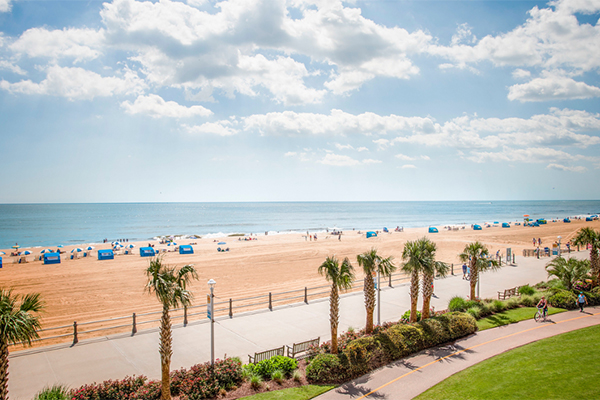
For a getaway perfect for anyone and everyone, Virginia Beach is the place to go. About 3.5 hours away, it’s well worth it to spend a couple of days here. You’ll find miles of shoreline, a 3-mile long boardwalk, multiple state parks, and a plethora of activities to enjoy. Spend an educational afternoon at the Virginia Aquarium and Marine Science Center or the Norfolk Botanical Garden. Do we even need to mention all the attractions for the history buffs?
6. Sandy Point Beach, Maryland
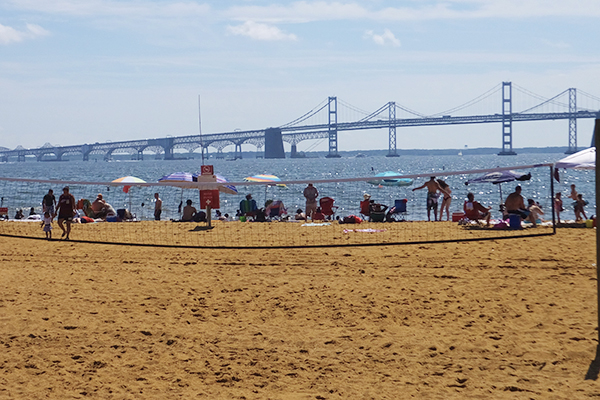
Another beloved spot along the Chesapeake Bay, Sandy Point State Park is about 45 minutes outside of D.C. and offers plenty to see and do throughout the 768-acres. Take advantage of the trails, cool off with a swim, play some ball, escape land and head out on your boat, or catch some fish or crab for dinner. Make it a full day adventure and do some sightseeing in nearby historic Annapolis. Keep Sandy Point in mind for the Annual Maryland Seafood Festival, which this year will take place on September 7th and 8th.
Rivers and Lakes
7. National Harbor, Washington D.C.
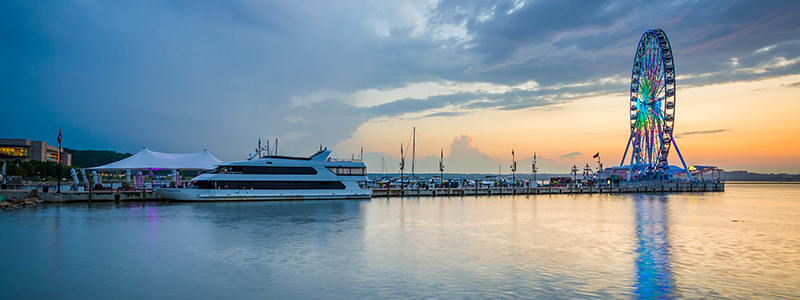
Just beyond the border of Washington, D.C. and across from Alexandria, VA, this capital area favorite is the perfect way to enjoy being waterfront without necessarily getting your feet wet. For the early birds, be sure to stop by the Saturday Farmers Market from 10 a.m. to 4 p.m. until December 23rd. Plan a delicious dinner at any of the plethoras of restaurants and stay for the sunset. No matter what time of day, a ride on the Capital Wheel is a great way to take in the gorgeous views along the Potomac. If you are a more experienced swimmer, check out the weekly open water swims offered by Wave One Open Water to hone your distance swimming.
8. Lake Anna, Virginia

About a 2-hour drive southwest from Washington, you’ll find one of the largest lakes in Virginia spreading over a scenic 13,000 acres. Once you’ve exhausted all the recreations that a huge lake offers, check out nearby attractions like James Madison’s Montpelier historic mansion, and a number of wineries (our favorite is Barboursville).
9. Deep Creek Lake, Maryland

While its location amidst a mountainous region is ideal for four seasons of activity, we are charmed by the sheer variety of summertime options at this iconic lake. The largest freshwater lake in Maryland, it was originally created by an electric company dam in the 1920s. Since it became open to the public, the offerings have grown to include boat, jet ski, and tube rentals as well as nearby park attractions like ziplining, and kayaking and rafting at nearby rivers. Many of the business and restaurants lining the lake offer docks for convenience. If you grow tired of the water, explore by land across more than a dozen nearby state parks!
10. Smith Mountain Lake, Virgina

In the Roanoke Region, lying amongst the Blue Ridge Mountains, is another manmade lake that just celebrated its 50th birthday in 2016. It has all the family favorites for a day of fun on the water, and many services and restaurants accessible by water for whatever you may need. Glancing around, you will also see a decent amount of undeveloped waterfront compared to other lakes. A fun piece of trivia: in the 1991 movie What About Bob? starring Bill Murray and Richard Dreyfuss, this lake was actually used in the filming (although in the movie, they say they are at Lake Winnipesaukee in New Hampshire).
11. Harpers Ferry Shenandoah River, West Virginia

Enjoy beautiful scenery while tubing down the river with your friends and family along Harpers Ferry’s shoreline. So pack a cooler and swimsuit, and jump on in!
12. Cunningham Falls State Park, Maryland

Nestled in the scenic Catoctin Mountains, this beautiful park’s crowning feature is its scenic falls. Take a load off by the lake or go for a hike to get to the falls. The park is divided into two areas; the Hunting Creek Lake, falls, and camping are located in the William Houck Area and in the Manor Area you’ll find the Scales and Tales Aviary, camping, and a bit of history. With an abundance of outdoor recreation and fabulous views wherever you go, Cunningham Falls might be your new favorite place.
13. Cascade Lake, Maryland

A great choice for a nearby lake with entertainment built right in, Cascade Lake offers picturesque wooded scenery on 70 acres, located about an hour and a half north of Washington, D.C. There is a large swimming platform with slides, which is great for the whole family. Included with admission are the options to check out the spray ‘n’ playground, go fishing, enjoy a picnic or relax on the grounds. You can also rent a paddleboat!
14. Greenbriar State Park, Maryland

Make your way about 1.5 hours from D.C. to some of the most beautiful water you can find in the Greater Washington area. Greenbrier State Park provides an enjoyable mix of uses through 42-acres and even includes part of the Appalachian Trail. Whether you’re into water recreation or looking for a leisurely picnic spot outside the city, your expectations will surely be exceeded.
15. Summersville Lake, West Virginia

With more than 28,000 acres of water and 60 miles of shoreline, Summersville Lake is the largest lake in West Virginia. This lake makes it perfect for swimming, fishing, and boating. If you don’t feel like going home, the lake also offers a campground with hook-ups, a bathhouse, and playground for the kids to enjoy.
Photos (in order of appearance) courtesy of: [main header] Adobe Stock; [Dewey Beach] Visit Delaware; [Rehoboth Beach] City of Rehoboth Beach; [Ocean City] Bigstock; [Chesapeake Beach] permission of McEnearney McLean; [Virginia Beach] Visit Virginia Beach Instagram; [Sandy Point Beach] Bigstock; [National Harbor] Adobe Stock; [Lake Anna] Bigstock; [Harpers Ferry]: Harpers Ferry Adventure Center; [Cunningham Falls State Park] Fred Schroeder | Flikr; [Cascade Lake] Carroll County Times; [Greenbriar State Park] dpbirds | Flikr. [Summersville Lake]: Visit West Virginia
Take a look at our website for all of our listings available throughout Washington, D.C., Maryland, and Virginia.
Don’t miss a post! Get the latest local guides and neighborhood news straight to your inbox!
How Industry Changes Will Impact the Homebuying Process


Changes are coming to common real estate practices. Find out what they are before you buy or list a home for sale.
If it’s been some time since you bought or sold a home, there are recent changes to the selling process you need to be aware of. These are part of nationwide changes from the National Association of Realtors® (NAR) and how homes are promoted in Multiple Listing Services (MLS) – regional databases across the country that compile information about homes for sale and sold, as well as rental properties that use an agent during the leasing process. Updates are designed to give consumers a better understanding of how they can negotiate fees associated with buying or selling a home and will take effect August 14.
It’s important to know that in our region Realtors® have been following these practices for decades, allowing for a clear and fair sales process that encourages both buyers and sellers to have their own representation in a sales transaction and negotiate their agent’s fee for service. What has changed is that a broker’s fee is not only more clear to the buyer but can now be a potential negotiating item of the buyer-seller contract, rather than being listed in an MLS as a co-operating fee between brokerages.
Here are some things to be aware of:
Buyers
- Your first step will be to sign a Buyer Agency agreement that will outline the ways your Realtor® will represent you in your search for a new home and how they will be paid for their professional services.
- Buyers can negotiate many terms in their offer to purchase, including cash concessions from the seller to help cover different costs associated with buying a home. This now includes negotiating for the seller to pay a buyer broker’s fee.
- The Department of Veteran Affairs (VA) announced a temporary policy allowing VA buyers to compensate their real estate agents directly.
- Not all sellers will consider financial concessions so it’s important to set your home purchase budget to cover all costs associated with the sale, including your agent’s fee.
- Read more at NAR’s resource page for homebuyers.
Sellers
- Your first step will be to sign a Listing Agreement that will outline the ways your Realtor® will represent you in the sale of your home, including how they will be paid for their professional services.
- Your Realtor® will advise you on current market conditions and what will make your home attractive to the greatest number of potential buyers.
- Sellers can indicate if they will consider concessions to a buyer but they are not obligated to do so. Sellers should evaluate offers to purchase their home based on all specific terms and conditions, which may include a request for cash concessions to cover a buyer’s costs, including their broker’s fee.
- Read more at NAR’s resource page for sellers.
A professional Realtor® is your best advocate and will work with you to develop the strategy that works best for your goals. Reach out to one of our agents to get started on your next move!
Take a look at our website for all of our listings available throughout Washington, D.C., Maryland, and Virginia.
Don’t miss a post! Get the latest local guides and neighborhood news straight to your inbox!
To Install Upper Cabinets or Skip Them—That’s The Question

These days, deciding whether to incorporate upper cabinets in a kitchen or to forgo them entirely is a hot topic among interior designers. We spoke with three DMV area experts to gather their thoughts on the pros and cons of upper kitchen cabinetry.
Pros:
It’s easy to conceal clutter. Closed upper cabinets make it easy to tuck kitchen essentials out of sight without worrying about perfecting your styling scheme, says Catherine Ebert, the founder of Catherine Ebert Interiors in DC. “Open shelves are visually lighter than cabinets and can be used to display attractive pottery and personal items—they can be beautiful, but most homeowners don’t have the appetite to curate the shelves so that they actually look good all the time,” she explains.

Photo courtesy of Gruver Cooley
They’ll keep items dust-free. Say goodbye to pesky dust in the kitchen. “They can keep items dust-free inside, and if you bring them up to the ceiling, you don’t have to worry about dust collecting on top of them either,” Cathleen Gruver, the founder of Purcellville’s Gruver Cooley, says of upper cabinets.
They can add style and grandeur to a space. For one, Gruver notes that cabinets can “elevate a space and make it feel taller” and additionally, they can be a nice way to display items at eye level. Plus, she adds, you can choose to install cabinets with mirrored or decorative glass fronts, which are stylish, too.

Photo courtesy of GreyHunt Interiors
Cons:
They can feel heavy. Sometimes, too much upper cabinetry can feel heavy and boxy in a kitchen, Ebert says, noting that in her view, the best option is a mix of closed cabinetry and open shelving. “The open shelves can offer a bit of dimension and variety,” she says. “They often make sense on either side of a large range hood or around windows if you do not want to block the light too much.”
Lord expresses similar sentiments. “Reducing your upper cabinets also visually opens up the eye line space, making your kitchen feel more open and airy,” she says.
They may enable you to store unnecessary items. According to Gruver, too much storage isn’t always a good thing. Having plenty of storage shelves “might not help in keeping your home decluttered and encourages you to keep more than you actually need,” she says.
They’re harder for small children to access. Make it easy for the entire family to access whatever it is they need. “Having your primary storage in the lower cabinets instead of upper cabinets allows everyone to have access, from children to older adults, and to do so safely,” says Sallie Lord, the founder of GreyHunt Interiors in Chantilly.

Sarah Lyon is a New York City-based freelance writer, originally from Bethesda, MD. She contributes to a number of national design and lifestyle publications like Architectural Digest, Apartment Therapy, MyDomaine, the Washington Post, and more. Sarah also works with designers to help them style spaces for photo shoots. Find more shelfies on her Instagram page, @sarahlyon9
Don’t miss a post! Get the latest local guides and neighborhood news straight to your inbox!
Summertime And the Living Is … Easy If You Follow These Home Maintenance Tips

Home maintenance never takes a vacation, especially during the summer months. Here are tips and resources to help you keep up-to-date.
Summertime is the season of recreation, relaxation, and road trips. It’s also the perfect time to catch up on home maintenance. Whether you own your home or are renting, take an overview of the systems in your home – big and small – to ensure you are living in a house that is sound, energy-efficient, and healthy for all inhabitants.
Your home is one of your biggest investments – whether you own and are paying a mortgage or rent and have a hefty security deposit – and a little TLC goes a long way. Here are a few of our best suggestions for keeping your home maintenance on track this summer and into the rest of the year
Checklists & Budgeting Trackers
While every home is unique, there are some standard maintenance items that can be found at every type of property. There are many checklists available to keep up with projects big and small, including these from Better Homes & Garden, Apartment Therapy, and the Department of Housing and Urban Development (HUD).
Apps
Dwellin calls itself “a sustainability company that helps U.S. homeowners tackle home maintenance and preserve more of the planet for future generations.” The app estimates annual home maintenance costs and carbon emissions, and then shows residents steps they can take to reduce both.
If you’d like to delegate home maintenance tasks to your own personal property manager, check out Birdwatch (a local company!) which offers concierge services for homeowners.
Centriq not only helps homeowners with DIY appliance inspections, it also offers home maintenance tips and calendars as well as a way to save important home documents.
If you’re looking to sell your home, Curbio is one company that allows you to make repairs now and pay for it at settlement. This gives owners the flexibility to prepare their home for top-dollar offers while deferring the costs. Bonus points that they are a local Maryland company!
To-Do This Summer
Before we get too much further into July, make a note to check the status of these important systems as soon as possible:
HVAC – It’s not uncommon for bills to rise during the sweltering mid-Atlantic summer months when air conditioning is running almost constantly. But if you see a sudden spike, it could be a sign that something isn’t working properly.
- Change air filters at least every three months, more often if there are allergens such as pet hair or plant pollen present.
- Evaluate temperatures and humidity levels throughout different rooms of the home, monitoring for areas that aren’t cooling properly.
- Listen for sounds such as banging or knocking that could indicate overworked or broken pieces within the system. You should be able to hear the system kick on and off, with a quiet, regular hum while it’s working – but anything else should be investigated.
- Overhead fans are designed to change direction to push cool air down in the summer and pull warm air up in the winter. Check that your blades are set counterclockwise for summer (just remember to change it back to clockwise when it gets cooler).
- Keep vents clear from furniture, debris, and dirt.
- Most professionals recommend servicing HVAC twice yearly, which should include a thorough cleaning of coils, drains, and any system elements; inspection of connections, motor operations, and thermostats; checking refrigerant levels and pressure; testing safety controls; and lubricating moving parts.
Roof – From thunderstorms to nesting insects to scorching temperatures, a roof sees a lot of action over the summer.
- Heat and humidity can cause the expansion and contraction of roofing material. Replace old, cracked, or missing shingles, especially after strong storms.
- Keep gutters clear of leaves and debris to avoid the possibility of flooding and leaks.
- Trim back trees to reduce the chance of falling branches.
- Check eaves for signs of infestation from critters and insects. Not only can they potentially enter the home and injure inhabitants, but they can also cause structural damage if left unchecked.
- If it seems like the home stays warm no matter what, it could have inadequate insulation and ventilation, which can lead to condensation, humidity, and poor air quality.
Plumbing – It’s not the flashiest system in your house, but from outdoor sprinklers to increased showers and kiddos home from school, your water and pipes could be working overtime.
- Check nozzles and sprayers to ensure they are clear from sediment buildup, increasing flow efficiency and reducing the spread of bacteria and mildew.
- Same for drains! A homemade batch of baking soda & vinegar is a monthly must to keep drains flowing properly.
- Septic systems require attention, especially in the summer when they are put to maximal use. There are some best practices that occupants can do on their own – such as limiting waste and solvents that can kill healthy bacteria at work, and a professional septic servicer should be on your call list this summer for a routine clean-up.
- Try to limit water usage as much as possible to avoid overworking the system.
Electrical – Energy efficiency is the name of the game during the summer, both to keep your bills low and not overtax municipal grids.
- Check for cracks around doors and windows to ensure no cool air is getting out and no humid air is getting in.
- Make sure that anything that has a vent – range hoods, dryers, HVAC – is kept clean and clear.
- Test your ground fault circuit interrupters (GFCI) outlets monthly. Same for smoke and carbon monoxide detectors.
- Consider installing exterior lights and security systems if you plan to be away for extended vacations.
- Use the scheduling function on your thermostat for cooling efficiency when people are most likely to be home, and not waste electricity on an empty home.
- Many homeowners are investing in home generators to keep things running in the event of power disruptions from storms.
If you need a professional to address some of the systems in your home, our experienced McEnearney | Middleburg Real Estate | Atoka Properties agents have recommendations at the ready. We care about your home investment as much as you do and are ready to help you protect it!
Don’t miss a post! Get the latest local guides and neighborhood news straight to your inbox!
More Plant Options with the New Climate Zones

The USDA updated its Plant Hardiness Zone Map for the first time in 11 years.
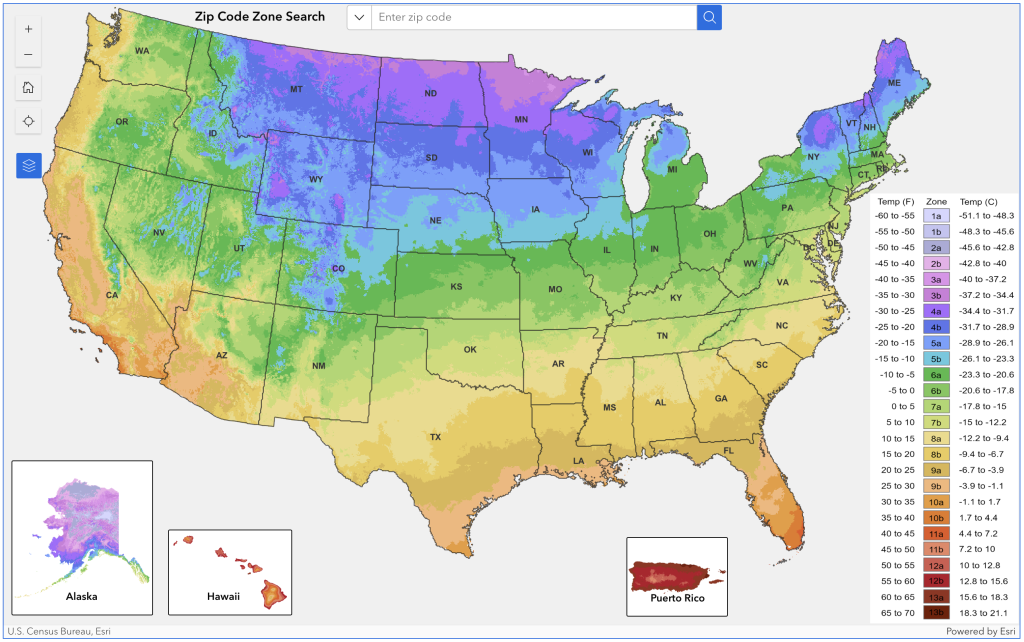
If you’re a gardener of any kind — a sprawling backyard, a cozy balcony, or a sunny stoop — this is a big deal because the updated map offers new plant possibilities for your area. These changes are exciting, but before you go buying out your local nursery, let’s discuss the limits and nuances of this new map.
What is the Plant Hardiness Zone Map?
The Plant Hardiness Zone Map is a helpful tool for gardeners and farmers alike. It divides the United States into zones based on the average annual minimum winter temperature. Just type in your zip code, and the map tells you your zone (both what it was and what it changed to in 2023).
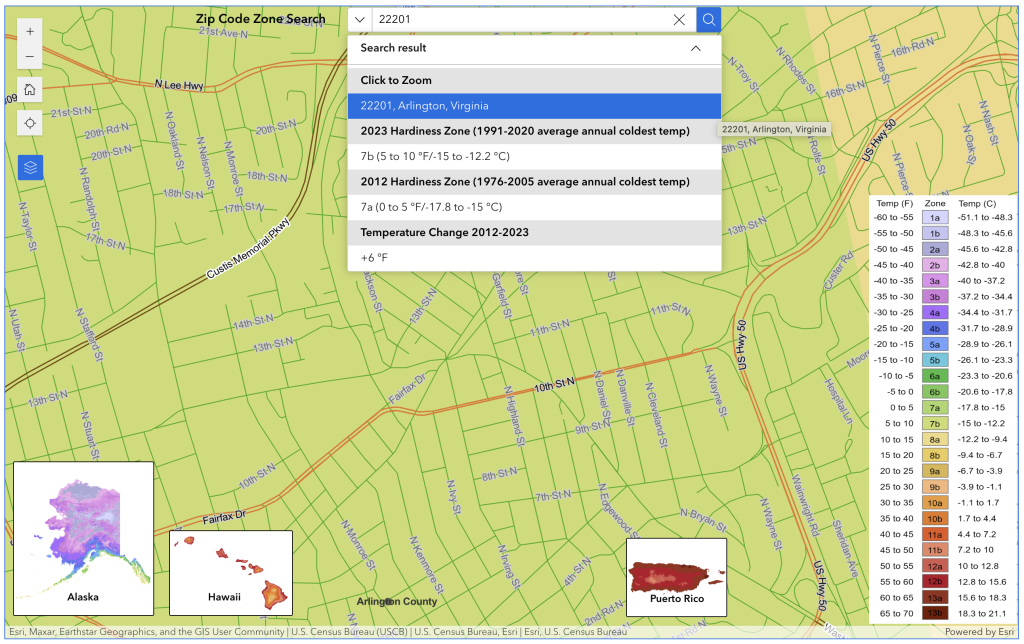
Use the information from the maps to learn which plants are most likely to thrive in your area.
What’s New in the Updated Map?
The new map reflects more recent climate data and advanced mapping techniques for more precise zone boundaries. Here are some key changes:
- More Zones: The updated map includes additional zones and subzones, providing a finer gradient of temperature differences. This helps gardeners make even more informed decisions about plant selection. Just look at the different subzones right here in the DMV!
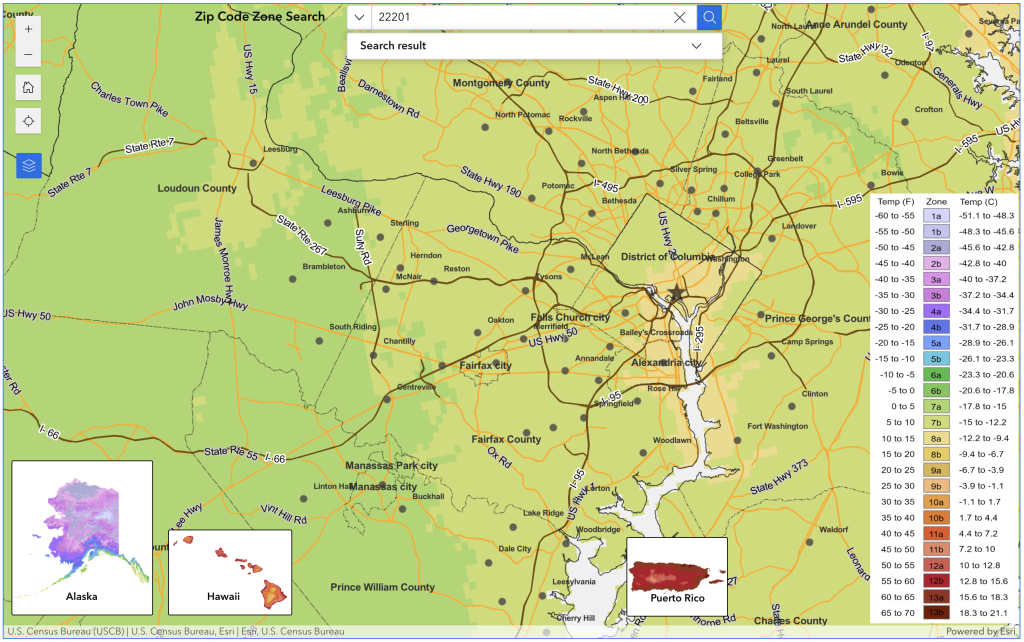
- Shift in Zones: Many areas have experienced a shift in their zones, generally moving to a warmer classification. This shift reflects the gradual changes in climate patterns over the past decade.
- Better Resolution: The new map offers a higher resolution, meaning it considers local variations in climate more accurately. Factors like urban heat islands and elevation changes are better represented.
New Possibilities for Your Garden
With these updates, many gardeners may find they can grow plants previously thought unsuitable for their area. Here’s what this could mean for your garden:
- Expanded Plant Choices: Warmer zones mean you can experiment with a broader variety of plants, including those traditionally grown in milder climates. Imagine growing citrus trees in areas previously too cold or enjoying a wider selection of perennials.
- Longer Growing Seasons: A warmer zone classification might also indicate a longer growing season. This means more time to cultivate and harvest your favorite crops.
- Enhanced Garden Resilience: Understanding your precise zone helps you choose plants better adapted to your local conditions, making your garden more resilient to temperature extremes and climate fluctuations.
Getting Started with the New Map
- Find your updated zone using the USDA’s online tool. This will give you a clear understanding of your area’s average minimum temperatures.
- Research suitable plants by looking for plants recommended for your zone. Local nurseries and gardening groups can also be excellent resources for discovering what thrives in your updated zone.
- Don’t be afraid to experiment with new plants because specific locations could have microclimates — areas that differ from the surrounding climate zone due to factors like wind patterns, proximity to water bodies, or urban development. If a plant seems like it might do okay, I say give it a shot!
- Use the map as a jumping point, but consider other factors. Climate is just one aspect of successful gardening. Soil quality and water availability are important to the health of your plants. Ensure your garden’s soil is suitable for the plants you choose, and plan for their hydration needs.
Whether you’re growing herbs on a balcony or cultivating a full vegetable garden, understanding your climate zone can lead to a healthier, happier garden!
Has the updated map changed your gardening plans? I’d love to hear from you!
Happy Gardening!

Pragya Mishra is the Founder and Principal of Artscapes, LLC, a Northern Virginia-based landscape architecture firm that specializes in designing outdoor transformations that bring you joy. With 22 years of professional experience, she works closely with each client and her network of top-tier contractors to make each project vision a reality. Follow Artscapes on Instagram @artscapes_living and see examples of past projects on her website, www.artscapesliving.com.
Take a look at our website for all of our listings available throughout Washington, D.C., Maryland, and Virginia.
Don’t miss a post! Get the latest local guides and neighborhood news straight to your inbox!
Building Better Communities With Housing Sustainability
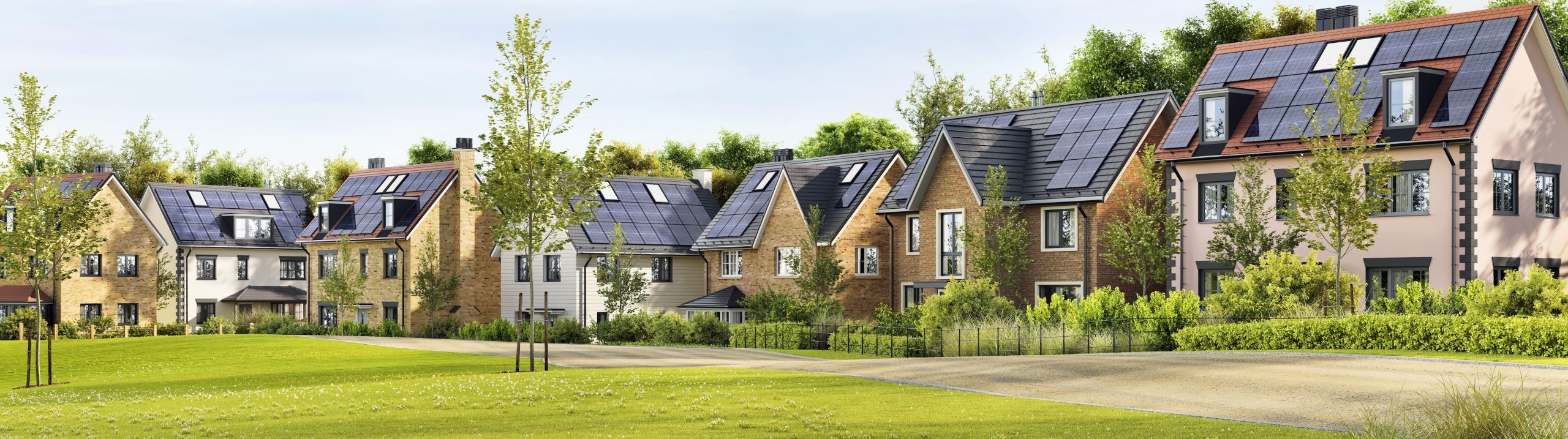
One agent’s firsthand report at how NAR’s focus on sustainability is preserving housing inventory and the land it sits on.
The National Association of Realtors® 2024 Sustainability Summit was held in early June in Minneapolis with a focus on initiatives to upgrade our nation’s housing stock, add client value, increase business, and lead on an urgent global issue. As an agent who is committed to helping my clients find new and innovative ways to increase value in their homes and build more resilient communities, I was excited to hear what’s coming to the sustainability market from those working in the sustainability industry.
Realtors® work to help our buyers and sellers navigate myriad changes in an accelerated landscape, something the Sustainability Summit reinforced with each panel discussion. As the organizers laid out in the mission of the conference, “(Agents) understand that sustainability isn’t a box to check, but a fundamental part of our job. Our inventory requires stewardship. The properties we help people call home must be maintained, protected, and updated to grow in value.”
The summit had an emphasis on high-performance homes, which are properties with features that increase energy efficiency, prioritize climate resiliency, and reduce emissions while reinforcing comfort, durability, and a healthy indoor environment. Mentioned throughout the meeting were organizations and resources that provide standards to measure these features, like the non-profit Passive House Institute US, Inc. (PHIUS) and the Department of Energy’s Pearl Certification. These provide savvy agents and their buyer-clients quantifiable ways to compare properties and interpret results. These standards will also help seller-clients leverage these features when marketing their homes.
Forward-thinking speakers dominated the panels, including Rohit Bhargava, the summit’s keynote speaker and best-selling author of How to be a Non-Obvious Thinker (And See What Others Miss), the newest addition to his Non-Obvious Thinking book series. In his presentation he shared, ““Obvious Thinking is the inability to imagine something different, think bigger, be open minded, or shift your perspective” and challenged participants to invest in unconventional thinking to inspire change within the industry and serve the public.
Bhargava’s presentation resonated because while real estate has always been a dynamic field, factors like fluctuating interest rates, reduced inventory, and rising prices are affecting housing sales nationwide. Other influencers such as technical innovations and climate change, and developments in related industries like public utilities and insurance companies, are all moving parts that affect housing and sustainability advances.
Sustainability, stewardship, and home ownership go hand-in-hand, and as housing professionals we work to educate our clients, help them navigate industry changes, avoid expensive or unnecessary pitfalls, and maximize not only a property’s environmental benefits but its investment value as well.
If you are interested in working with a Realtor® who has advanced knowledge about these initiatives, look for agents with NAR’s GREEN or a LEED Green Associate designation as they have completed additional training in issues of energy efficiency and sustainability in real estate. There are many within our McEnearney | Middleburg Real Estate | Atoka Properties family and we’re excited to share our passion for building great communities!

Since permanently moving back to Northern Virginia, JaneEllen McLaughlin Saums developed an intimate knowledge of its diverse communities, and thanks to her teaching background, JaneEllen has always educates her clients on the area’s market and housing options, to make sure that they find the best place suited to them to call home.
Take a look at our website for all of our listings available throughout Washington, D.C., Maryland, and Virginia.
Don’t miss a post! Get the latest local guides and neighborhood news straight to your inbox!
Why Homeownership is a National Priority

Owning a home doesn’t have to be a dream. Check out these initiatives and resources to get buyers in a position to make homeownership a reality.
June is a month for graduations, weddings, and summer dreams. It’s also the month when Realtors® and housing advocates promote various pathways to homeownership, a goal for those who want to build generational wealth and create a place to call their own.
But the truth is that buying a home in 2024 is challenging, and it is harder for some groups to take that first step to homeownership. According to Realtor.com research, low-income earners are 22% more likely to be denied a loan, LGBTQ+ are 25% less likely to own a home compared to all Americans, one in four Hispanic individuals complete the home-buying process entirely in Spanish, seven in 10 veterans are unaware they qualify for a zero-down home loan, and the gap between Black versus white homeownership is worse today than in 1968 when the Fair Housing Act was passed.
The Census Bureau’s quarterly report for Q1 2024 showed the latest homeownership rate is at 65.6%, down 0.1 percentage points from Q4 2023 and the lowest rate in two years. On May 31 the Biden administration issued a Proclamation on National Homeownership Month 2024, calling upon “the people of this Nation to safeguard the American Dream by ensuring that everyone has access to an affordable home in a community of their choice.”
Put simply, the proclamation states, “Whether they rent or buy, Americans deserve a safe place to call home.”
Some of the proposed initiatives to make homeownership more accessible include:
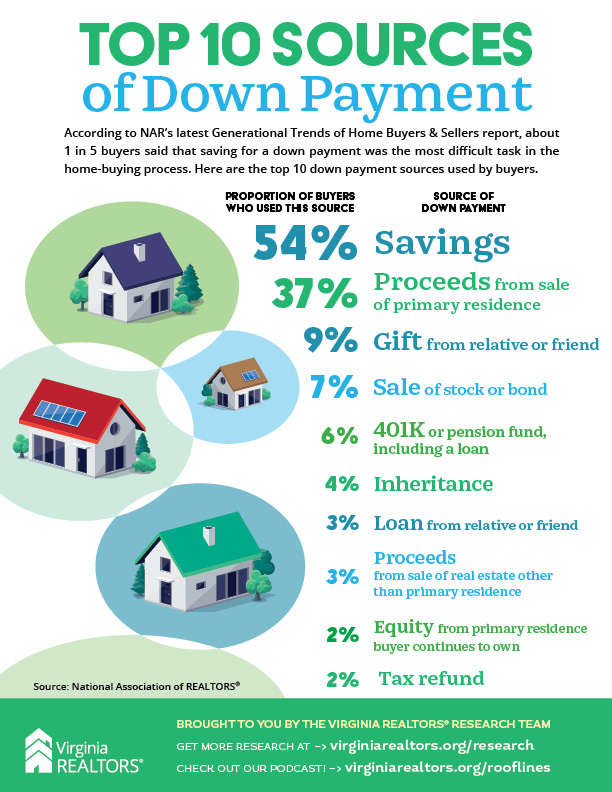
- A tax credit of $5,000 per year for the next 2 years for any family earning under $200,000 — money they can put toward a mortgage when they buy their first home or trade up for more space.
- My plan would also provide first-generation homebuyers with $25,000 for a down payment.
- A pilot program run by the Federal Housing Administration (FHA) to make it more affordable to refinance a home by eliminating title insurance fees on certain federally backed mortgages, which would save buyers $1,500 at closing.
- The FHA is now considering positive rental history when making decisions about creditworthiness — ensuring that the people who could qualify for mortgage financing receive it.
- Advancement in fair housing practices, including by rooting out bias in the home appraisal process, which keeps too many Black and Brown families from enjoying the full financial returns of homeownership.
Homeownership In Our Region
Let’s start with a look at what local buyers are up against. Overall, Realtor.com statistics shows the Washington, DC/Northern Virginia/Maryland/West Virginia region with a median listing price of $640,000 (unchanged from May 2023). The District, which is not a state, ranks the lowest in both our region and the nation at 43.9% for homeownership. There are many factors that contribute to this lower rate of homeownership, including a higher transition rate of people moving in-and-out of the region (9.8% for DC compared to 2.5% nationally). This is partly explained by the number of universities, embassies, research facilities and government contract work that brings short-term residents to the area, but high housing costs are another factor. According to Realtor.com the median listing home price in Washington, DC was $614,900 in May 2024 (trending down -5.4% year-over-year) while the median home sold price was $697,500.
On the other end of the scale is West Virginia, which ranked highest in the nation at 74.7%, thanks in part to home values that are less than half that for the entire country. Again from Realtor.com, the median listing home price in Charleston, WV was $182.500 in May 2024 (trending down -13.1% year-over-year) while median home sold price was $181.900. Comparing the two areas, it’s clear that a buyer’s dollar is going to go much further in West Virginia than DC.
Rounding out the homeownership review is Virginia at 69.9% and Maryland at 70.9%. The average sales price in Northern Virginia in May 2024 was $882,180, up 10.2% the previous year’s average of $800.427, while the median sales price was $760,000 in May 2024, up from $715,000 in May 2023. Meanwhile, the average Maryland home value was $421,804, up 4.0% over the past year.
Where To Start?
Buyers in the DC-Metro area need a strong and strategic game plan to succeed in our competitive and expensive local market. The first step a buyer should take is to hire a Realtor® to assist in their search for a home. Agents have the resources, connections, insight to help buyers navigate the buying process and save their clients from the pitfalls of going into a major financial negotiation unprepared and unrepresented. An agent will connect buyers with savvy lenders who know the best financing and grant programs available and can guide buyers through complicated scenarios with many moving pieces.
First-time home buyers have it the hardest in this current market, with interest rates higher than they’ve been in decades (although still relatively moderate in the 6-7% rate range), high home prices, and limited equity. But a little bit of research and preparation goes a long way! Both Realtor.com and the U.S. Department of Housing and Urban Development (HUD) have extensive resources to tap, in addition to the advice their agent will offer.
Putting It All Together
Deciding to buy a home is a personal, economic, and logistical process. It’s not always the right choice for everyone, but for those who have a goal to become a homeowner, put down roots in a community, and begin building financial security through home equity, there is a way forward. Start with a conversation with an experienced McEnearney | Middleburg Real Estate | Atoka Properties agent and see which path is right for you,
Additional Resources for National Homeownership Month:
- PropertyAction.Realtor
- Northern Virginia Association of Realtors®
- American Property Owners Alliance
- Greater Capital Area Association of Realtors®
- West Virginia Housing Development Fund
Take a look at our website for all of our listings available throughout Washington, D.C., Maryland, and Virginia.
Don’t miss a post! Get the latest local guides and neighborhood news straight to your inbox!