
 Facebook
 X
X
 Pinterest
 Copy Link
Zillow closes iBuyer; what does that mean?
If you follow real estate at all, you probably saw the announcement that Zillow is closing its iBuyer program. This is big news, but what does it really mean for Zillow and the real estate industry?
First, let’s clarify what is an iBuyer program. It’s where deep-pocketed online companies give sellers an instant cash offer on their house (the “i” in iBuyer is for “instant”). Usually the sales price is computer-generated (like a Zestimate), and the homes are bought unseen. The buyers are not typically looking to do major renovations and want to resell quickly.
Online buyers have existed for quite a while now, and many have been very successful. Zillow’s iBuyer program was not national but in a few carefully selected markets with plans to eventually roll out more extensively. Zillow was aggressive in its purchases, relying on the automated price generated. Some buyers were thrilled with their offers, receiving more than they may have expected. In fact, it appears Zillow overpaid for many of the homes and now has a huge inventory that it must sell off, potentially at a loss.
This doesn’t speak well for the Zestimate data or technology-based pricing methods. Why not? In large part, because technology can’t determine a property’s condition, a major factor in pricing homes.
This is no surprise to real estate agents. Recently, I was trying to price a home and was looking at the neighborhood comps. A home a few doors down that looked wonderful in the pictures had just sold for a fairly low price. I called the listing agent to understand why. According to her, the house had a very unpleasant pet-related odor, and the neighboring house was very cluttered, “like a junkyard”. These are extenuating circumstances that automated technology can’t determine or factor in.
Technology wasn’t the only downfall for Zillow’s iBuyer program. Zillow has not been immune to the global supply chain issues and labor shortages. When time is of the essence, these delays can be very costly for the home improvements sometimes needed. Finally, Zillow determined that the iBuyer business scale needed to be very large in order to be as profitable as was hoped and, in the end, they decided that this was something they did not want to pursue.
Does that mean Zillow is in trouble? In short, no.
Before 2018, when Zillow decided to get into the iBuyer business as well as the mortgage business, it offered consumers a marketplace to sell, buy, or rent properties. It also marketed properties listed by real estate agents where buyers can search properties and reach out to an agent for more information or to schedule a showing. The person they contacted was not always the listing agent, but a Premier Agent who pays fees to Zillow to obtain leads.
This marketing program has mostly produced buyer leads. By getting into the iBuyer program, Zillow was hoping to be able to generate more seller leads for their Premier Agents, therefore hoping to increase the number of Premier Agents and their revenue stream.
While there are many in the real estate industry who fear Zillow is trying to replace the real estate agent, I do not believe this is their model at all. Contrary to popular belief, Zillow does not sell properties directly to the public. For their iBuyer program, they rely on a small group of staff to purchase properties. Once a home purchased through the iBuyer program was ready to sell, they would offer it to a vetted Premier Agent.
Real estate agents, of course, have the advantage for detailed information and acute market knowledge, but we can’t offer national searches. We are restricted by our local MLS. Here in the Washington area, we are fortunate to have an expansive area with feeds that include parts of New Jersey and Pennsylvania. But Zillow saw a gap, and thus an opportunity: give the consumer an opportunity to not be restricted by a single MLS.
Zillow is a fine place to start looking for a home, but it should be the first step, not the full process. Most buyers don’t want to wait too long before reaching out to a professional, as we often know about homes not yet listed that are for sale (see my last article “Full Market Exposure” for more details) or know the nuances of a particular home or market.
For those still interested in searching for an online cash buyer, there are still many online iBuyer programs out there. McEnearney Associates just launched McEnearney Advantage. The McEnearney Advantage offers our sellers the option of seeking iBuyers as a way to market their homes.
I recently had a client who wished to do this. We entered the information and received two viable online offers. The first came from a local flipper. We met at the property and he made an offer. The other was strictly an online offer. The seller wasn’t happy with the price offered and decided to move forward by putting his home on the market. The house sold for $38,000 more than the highest iBuyer offer. This isn’t surprising to many – it has been proven time and time again that sellers receive a significantly higher price when they list their home on the market versus selling off-market.
The bottom line is that Zillow is here to stay, as are real estate agents and iBuyers. We will all continue to compete for our share of the market, and we will all continue to offer different services to meet the evolving needs and demands of the consumer.

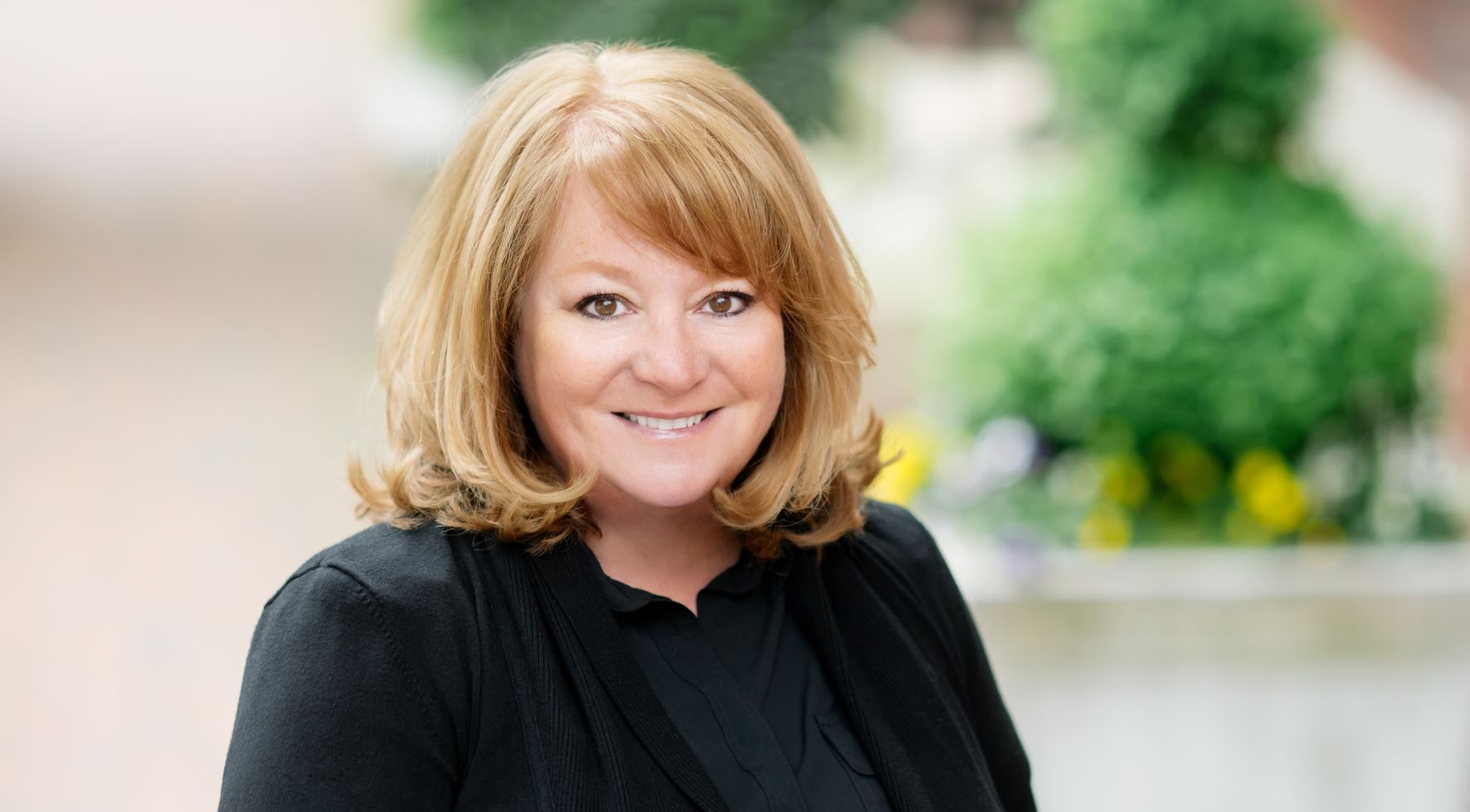
Rebecca McCullough is a licensed real estate agent in Virginia with McEnearney Associates, Inc. in Old Town Alexandria, VA. If you would like more information on selling or buying in today’s complex market, contact Rebecca at 571-384-0941 or visit her website RebeccaMcCullough.com.
Don’t miss a post! Get the latest local guides and neighborhood news straight to your inbox!

How can I find out what additions I am able to make to a property, before purchasing?

Many buyers I am working with lately are looking at the future potential of homes and considering properties that they will add additions to — either before they move in or in their long-term plans.
Some lots have the space for an entire extra room or would benefit from a large deck off the back, and others have the potential to be bumped up a level. Even smaller adjustments, like a new fence, garage, or shed can be important to know about before purchasing a home.
The first step in finding out about a potential add-on is to have your Realtor call the listing agent. They will be able to tell you if the seller has ever considered something like this before — sometimes, if you’re lucky, they will have plans from a builder to give you an idea of what could be done. Even if the seller has considered this option before and found that it isn’t possible, that is valuable information.
More commonly, they will have a survey from when they purchased the home. This is a document that shows where the boundaries of the property are, as well as measurements of structures, such as sheds or patios. If there is an existing fence, it will tell you which property it is on and which home it belongs to.

Survey example courtesy of jadsurveyor.com
If the seller does not have a survey, a buyer has the option to have the settlement company order a survey to be completed before they purchase the property. In Washington, D.C., a location survey is required in order to issue title insurance. In Maryland and Virginia, the survey is optional but highly recommended. A buyer can only order a survey once the home is under contract, therefore, this information is not available before making an offer unless the seller already has it.
If the home is in a community with a Home Owners Association (HOA), there will be guidelines in place that clearly state what can and cannot be added to the property. If other homes in the neighborhood have additions or updates similar to what you would like to do, it is very likely that you will also be able to add them to your home, but there are no guarantees. It is still very important to look over all the HOA documents, and if the update that you want is very important to you, a call to the management company or HOA president is recommended, before making an offer.
For a home in an HOA, once a home is under contract, the buyer will have a period (typically 3 days) in which they are given the opportunity to review the HOA documents and then void the contract if they see something they don’t like. Unfortunately, HOA documents are usually not available until you are under contract, so if a buyer has a specific question before making an offer, their Realtor can sometimes get answers from the listing agent.
Even if the home is not in an HOA, there will likely be city or county guidelines for what can be built on a property. For example, I added a new, larger deck to my home a few years after I bought it. I had to submit my property survey to the city, along with architectural plans, before I could begin construction. The city even provides a manual with specifications on what materials to use, and how things must be built to adhere to code.
Whether you are making updates to the exterior or interior of your home, you should always check if you need to get permits from the city or county. Many contractors will do this for you, however, a buyer should still familiarize themselves with what is even possible in the code ordinance for where they live. For example, although I was permitted to build a larger deck, due to set-back requirements, I would not have been allowed to have it wrap entirely around my duplex in Del Ray!
If you live in a historic district, like Old Town, there can also sometimes be more strict regulations in order to maintain the historic integrity of the community. You should check the Board of Architectural Review website, as your plans will need to be submitted for approval. And if your decision on whether to buy the home depends on it, call the city and ask how likely it is that your modification would be approved, then pick a contractor that is experienced with the jurisdiction and requirements for approval. I recommend that you always choose a contractor that is familiar with the jurisdiction.
Finally, it can be a good idea to get a general idea of what the cost will be. Your Realtor likely has a great contractor who they can refer to you for a general estimate. Even if you don’t want to make major renovations — maybe just fresh paint, or new carpet — an estimate can be good help in deciding how much you are able to do if you purchase a specific house.
Whether you are thinking about making changes to your home in the long term, or the near future, your Realtor can help you evaluate what is feasible for your situation! I have worked with countless buyers who go through this process and would be happy to help you create your vision for the perfect home!

Hope Peele is a licensed real estate agent with McEnearney Associates, Inc. in Alexandria, Virginia. She grew up in Old Town and currently lives in Del Ray. As a partner with The Peele Group, Hope is dedicated to guiding her clients successfully through the many faceted process of buying or selling a home. Contact Hope at 703-244-6115.
Don’t miss a post! Get the latest local guides and neighborhood news straight to your inbox!
12 Perfect Pie Shops in Washington, DC, Virginia and Maryland

As the colder weather starts to settle in, a warm slice of pie complements the hearty comfort food we crave. So many special occasions—from birthdays to weddings and graduations—call for a beautifully decorated cake. Why not give pie a bigger seat at the table this season? Grab a delicious pie from one of our favorite local pie, pastry and dessert shops in the Washington, DC area – it’s a great way to support local business and share some love to those we care about.
Whether you favor apple, pumpkin, or pecan, now is also a great time to try your hand at baking. McEnearney Associates President, Maureen McEnearney Dunn, particularly likes the Black Bottom Pie recipe from the Joy of Cooking. If you are intimidated by the thought of baking your own crust, the Pillsbury™ Refrigerated Pie Crusts make the baking process a little less daunting.
Choose Your Location

Photo Courtesy of Baked & Wired
WASHINGTON, DC
Fine Sweet Shoppe | Facebook
225 7th Street SE (Eastern Market)
Open Tues – Sun, 9 AM – 5 PM
Curbside pickup available | Menu | To order call (202) 543-9729
Since 1960, this family owned and operated shop is well-known for its scrumptious and extensive selections. From classic sweets to a creative deli menu, this shop hits all the cravings.
Baked & Wired | Instagram | Facebook
1052 Thomas Jefferson St NW
Open Daily 8 AM – 4 PM
Offering same day pickup and delivery | Menu | Order
Baked & Wired is a well-known stop for coffee and baked goods. Family owned and operated, Baked & Wired is committed to creating community throughout D.C. Take a look at all of their offerings, from pies and cakes to coffee and quiche.
Rise Bakery | Instagram | Facebook
Open weekdays, 10 AM – 6 PM, Open weekends, 8 AM – 6 PM
Also offering shipping throughout the continental U.S.
Stop by Rise Bakery for an incredible selection of Gluten-free and vegan options. Their pies are made with extra love and must be ordered at least 2 days in advance before 1:45 pm. Know someone that always has a hard time finding delicious desserts due to dietary restrictions? We might suggest the Vegan Apple Pie – it’s gluten-free, dairy-free, egg-free, nut-free, and flavor-full!

Photo Courtesy of Henry’s Sweet Retreat
MARYLAND
Henry’s Sweet Retreat
4823 St Elmo Avenue, Bethesda
Open Mon – Thurs, 11 AM – 9 PM, Fri & Sat 11 AM – 10 PM, Sun 12 PM – 9 PM
Offering take out, delivery and curbside pickup only
Henry’s is often ranked as one of the best shops in Bethesda. This shop is indeed the epitome of a sweet retreat – from candy classics to store made fruitsicle’s, your sweet tooth is sure to be satisfied. At the top of our favorites is of course the pie of the day, and we’ll include the quiche selections too – ham & cheese and spinach & feta, yum!
Praline Bakery | Instagram | Facebook
Open Daily, 9 AM – 7 PM
Heated patio is open | Reservation
Order online for curbside pickup
If you’re looking for something a little untraditional, Praline is the stop for you. Inspired by authentic French recipes, our favorite selections include homemade Chicken Pot Pie and Pear Bourdaloue. Don’t stop there! There’s plenty of tarts and other sweet treats to choose from.
The Woodmoor Pastry Shop | Instagram | Facebook
10127 Colesville Road, Silver Spring
Open Tues – Fri 6:30 AM – 8:00 PM, Sat 7 AM – 7 PM, Sun 7 AM – 2:30 PM
Offering curbside pickup Menu | Order
Family owned and operated since 1954, the Woodmoor Pastry Shop is the idyllic neighborhood bakery. In addition to the handmade pies, you can find unique donuts, danishes, cakes and breads. Their signature? The flakiest pie crust around!
Stella’s Bakery | Instagram
11510 D Rockville Pike, Rockville
Open Tues – Fri 8 AM – 5 PM & Sat 9 AM – 5 PM
Offering pick up and limited in-store purchases
Menu | COVID ordering policies
Inspired by the finest European delicacies, Stella’s Bakery has been serving the Rockville are for over 15 years. Stella’s is a great stop for those looking for savory meat and vegetable pies. You’ll also find a lovely selection of tarts, classic pies, and other pastries.

Photo Courtesy of Firehook Bakery
NORTHERN VIRGINIA
Firehook Bakery | Instagram | Facebook
Open Mon – Sat 8 AM – 3 PM
Order Online for delivery or pickup
Serving DC and VA since 1992, you’re sure to be hooked on Firehook’s decadent selections of pies, tarts, and seasonal specialties. If you’re looking for a little something extra special, we might suggest Firehook’s Cream Pie.
Acme Pie Co. | Instagram | Facebook
2803 Columbia Pike, Arlington
Open Tues – Fri, 3 PM – 9 PM and Sat & Sun, 9 AM – 3 PM
Offering in-store pick up (also found at multiple VA stores/markets/cafes/restaurants)
Acme Pie Co believes that a pie can fix anything! And during these trying times, we think so too. Acme uses local ingredients and offers unique flavors you won’t find anywhere else – such as Scottish Apple with Whiskey Raisins. Don’t miss out on the Blackberry and Apple Cranberry though, and both are vegan!
Bakeshop | Instagram | Facebook
Arlington & Falls Church & Washington DC Locations, Hours vary
Offering delivery and order ahead from the Arlington Location
Opened in 2010, Bakeshop has grown so rapidly they had to include a second shop in Falls Church. Looking for Icebox pies? Search no more! Bakeshop offers a grand selection including Nutella, Peanut Butter, Coconut Cream and Key Lime. Don’t worry, they haven’t left out our favorite classic pies – Pumpkin, Pecan, and Apple.
Pie Gourmet | Instagram
507 Maple Ave W, Vienna
Open Mon – Fri 7 AM – 7 PM, Sat 9 AM – 6 PM, Sun10 AM – 4 PM
Offering order pick up and local and national delivery
A Northern Virginia favorite (and highly recommended by many of our Vienna based agents), Pie Gourmet has been serving homemade artisan pies and baked goods since 1987. They offer a wide variety of savory pies and quiches and fruit pies. Don’t forget to try out the chocolate pecan – a unique variation of the Southern classic!
Mom’s Apple Pie
Leesburg, Occoquan, and Round Hill Locations, Hours Vary
Offering walk-in and call ahead ordering
Stop by Mom’s for a treat that will make you think you went straight to the orchard – Mom’s grows as much of their own ingredients as possible. Their wide variety of flavors include fruit, nut, chess, custard, and cream pies. Be sure to take a look at their menu throughout the year for some fresh seasonal flavors!
[divider height=”30″ style=”default” line=”default” themecolor=”1″]
Don’t miss a post! Get the latest local guides and neighborhood news straight to your inbox!
Spice Up Your Fall Cocktails

Cooler weather and comfort food inspire us to add a little spice to our fall drinks. First up, a little video how-to.
FALL OUT OF FASHION
Recipe courtesy of Ruthie’s All Day
- Orange slice
- Large ice cube
- 2 oz bourbon
- 1 oz Averna
- .25 oz cinnamon simple syrup
- 2 dashes mole bitters
Muddle orange slice in an old fashioned glass. Combine all additional ingredients. Stir & enjoy!
For our next drink inspirations we looked to some local DMV distilleries!

LION’S TAIL
Recipe courtesy of Cotton and Reed
- 1.5 oz bourbon (or try swapping in rum for different variants)
- .75 oz fresh lime juice
- .5 oz Cotton & Reed Allspice Dram
- Scant .5 oz simple syrup
- Garnish: lime wheel
Combine all ingredients in a mixing tin and shake with ice. Strain into a chilled coupe or cocktail glass. Garnish with a lime wheel.

AMERICAN TRILOGY
Recipe courtesy of Republic Restoratives
- 1 oz Republic Restoratives’ Chapmans Apple Brandy
- 1 oz Republic Restoratives’ Purpose Rye
- 1 brown sugar cube
- 3 dashes orange bitters
- Orange peel
Combine sugar cube, orange bitters and cap full of water and muddle together in rocks glass. Add Chapmans Apple Brandy and Purpose Rye and stir. Express orange peel in and around cocktail and enjoy.
Please Drink Responsibly
[divider height=”30″ style=”default” line=”default” themecolor=”1″]
Don’t miss a post! Get the latest home inspiration and neighborhood news straight to your inbox!
The Timeless Appeal of Mid-Century Modern Style


Today, the mid-century modern look is everywhere. Search the phrase in any furniture retailer, and you’ll likely come up with hundreds of results. The pieces get snapped up in moments when listed for resale online, and it’s a popular style to use when staging homes for sale.
In a follow-up to last week’s post about the mid-century modern style of architecture and homes, this week we dive into the design of mid-century modern furniture. But what’s the basis for its wide appeal? And what sets MCM-style furniture apart? We also spoke with local artist, Katie Banks of CMB World Designs, who is refinishing pieces for sale in the DMV area.
History
The mid-century modern style of architecture refers to the wave of homes built between the end of World War II in 1945 and the mid-1970s; for furniture, however, historians cite the 1950s as the time this style of furniture was made. The style went out of fashion by the 1960s, but became popular again in the 1980s, and by the mid-1990s, collectors had started driving up the prices of original pieces. Simultaneously, furniture manufacturers began selling pieces directly to retail shoppers (rather than to designers and architects only), which allowed for easier acquisition.
The basis of MCM’s appeal is the simplicity of well-designed objects that have a timeless, classic look with clean lines. These pieces look great in modern homes, while still feeling fresh and contemporary. Since they were originally designed to fit in the smaller homes that were constructed after WWII, they still fit well in today’s houses — particularly in the DMV — where owners or renters may not have the luxury of space. In short, the designs have stood the test of time.
Familiarity is also a factor, according to an article written by Curbed. “Baby boomers who grew up with midcentury designs are certainly part of the market for both the originals and the reproductions. The trend toward urban living may also be part of what keeps the midcentury look alive.”
Design Trends
The style’s increasing popularity is one that local artist Katie Banks has felt the effects in her furniture refinishing business, CMB World Designs. “I think mid-century modern is such a simple vibe and can go with any style,” Banks said. “A mid-century piece of furniture in a traditional room just works.” Banks, who started her business more than six years ago, said her love for the style came out of her restoring the old George Mason University fraternity home she bought with her husband. The couple redid the home themselves and built an addition, transforming the home to be a combination of both modern and historic. “I started small; I’d always liked to paint furniture so I started with a couple of pieces, and then thought I’d enjoy doing this on the side as a business. I got my first mid-century modern dresser in and completely fell in love. It was the super simple construction of it, so if something were to go wrong [while refinishing it], it wasn’t hard to put back together.” Banks said she’s also seen a shift in her clientele from mostly Washington, D.C. to being split 50-50 between D.C. and Virginia. She mainly sells pieces via her Instagram account (@cmbworlddesigns), with the company name a nod to her three sons, Collin (a McEnearney agent), Mason and Blaze.
What remains Banks’ most popular and sell the fastest are all-wood credenzas with sliding doors or opening drawers.

“People like an open space that they can see,” Banks said. “I’ll modify pieces, remove the drawers behind the sliding door and just leave shelves, or just an open space.” Also frequently requested are matching nightstands, which are hard to come across in pairs. Banks attributes this to when the pieces were originally produced, only one nightstand came with the set and would be arranged between two twin beds in the owner’s suite. To accommodate today’s buyer expectations of two nightstands, Banks usually waits to find two from separate sales before refinishing and selling them as a set.
Lastly, bathroom vanities are popular for Banks to refinish now. “People are asking me to convert pieces that have sliding or opening doors into bathroom vanities,” Banks explained, but said she prefers to work on pieces that she owns versus pieces from her clients. “Client’s pieces have sentimental value, and I don’t want to have to worry about someone else being upset” if the piece breaks or she can redo it as they wish.
Tips from CMB Designs
If you’re looking to add mid-century modern furniture to your home, Banks suggest looking for a few markings when trying to determine whether a piece is an original or reproduction:
- Look for dovetail drawers
- Originals will have true brass knobs, which may look black from tarnish, but with elbow grease, it will be shiny and new looking. Reproductions will have metal knobs that have been painted a brass color.
- Original pieces will have a little stamp on bottom or back, but also inside of the drawers will be marked, of where the piece is from. A lot of pieces will have an inspection marking and the type of wood.
“There’s a reason the pieces have been around for 60-plus years,” Banks said, “and if refinished right, it’ll be around for another 60-plus years.”
[divider height=”30″ style=”default” line=”default” themecolor=”1″]
Don’t miss a post! Get the latest home inspiration and neighborhood news straight to your inbox!
What are The Best Practices to Attend an Open House?

First off, congratulations on the early stages of home buying!
Attending open houses at the beginning stages of your search can really help you narrow (or expand) what and where you are looking to purchase. They allow you to tour new neighborhoods you’re considering, define your likes, dislikes and things that are non-negotiable, gauge market activity, and define a clear picture of home value.
Once you attend a couple of opens, you’ll be a pro. Here are a few tips to get you started on the right foot:
Do a little research first
Decide what neighborhoods you’re most interested in and find homes that match your ideal price point. Although it can be fun to see all types of homes ranging in all types of prices, it doesn’t assist you in the long term. You want to use this time to set your expectations for what’s in your budget and what you like and don’t like before you truly enter the market. By attending open houses in your preferred areas, you can gauge other buyer interest and overall value for that type of home/area. It’ll help down the line knowing if you’re in a competitive area and price point.
No scheduling necessary, but keep an eye on the time!
Open houses are usually Saturdays and Sundays from 12-4 p.m. with common time slots being 12-2 p.m., 1-3 p.m. and 2-4 p.m. If you have too many on your list in varying neighborhoods, you may miss some. In the early days of in-person open houses during the pandemic, there were lines out the door and people had to wait to enter homes. Now, it’s up to the seller and listing agent on how they manage open house traffic, so be prepared to potentially wait. The average time to tour through an open house is about 15 minutes.
Wear shoes that you can easily take on and off
Sellers typically ask those attending an open house or a private showing to remove their shoes or wear the provided shoe covers (also known as booties). It’s a common courtesy to the seller!
Follow the Golden Rule
Treat the home as you’d want your home to be treated. Limit touch and keep your hands to yourself with personal items. You can always ask the agent present to assist you with opening closed closet doors or kitchen drawers.
Sign in!
As a courtesy to the seller and the agent present, please remember to sign in as you enter the home. With the resurgence of QR codes, most agents will have a touch-free way for you to quickly sign in with your smartphone.
Ask questions!
The listing agent or their associate present will greet you at the door and provide you with fast facts about the open. Don’t be afraid to ask specific questions or inquire about the basic facts again. It’s why they are there!
If you are looking to start your home search, please give me a call!

As a fifth generation Realtor and the granddaughter of an architect and builder, Sallie has deep roots in real estate. She is passionate for the charm, history, and architecture of Alexandria and its surrounding communities. If you would like more information on selling or buying in today’s complex market, contact Sallie today at 703-798-4666 or visit her website SallieSeiy.com.
Don’t miss a post! Get the latest local guides and neighborhood news straight to your inbox!
How Do I Get My Real Estate License and What Happens Next?

The Great Resignation is upon us, and you may be thinking about launching a career in real estate. Good for you! Real estate offers those with an entrepreneurial spirit a path to an income that is limited only by the time, energy and focus that you put into your work.
But beyond dreams of selling luxury homes and being the master of your own workday, what does it really take to get started as a Realtor? Here are answers to some of the most frequently asked questions.

How do I get my license and how long will it take?
The first step in the licensing process is completing 60 hours of the “Principles and Practices of Real Estate for Salesperson” coursework. This can be done online or in-person (limited locations and times) and can take less than two weeks if done in-person, similar or longer for online (depending on how quickly you finish the self-paced work). Popular sites for online classes are TheCEShop and Moseley (which is Virginia focused) but you can find a full list of exam prep companies at the Virginia Department of Professional and Occupational Regulation (DPOR).
After you complete the coursework, you will take an introductory exam that, once passed, allows you to sit for the national and state licensing exams. Scheduling an exam can take a few weeks and while you are completing your studies you should also be interviewing brokerages and learning about the different business models for working in real estate. When you pass your exams, you will then need to affiliate with a brokerage and submit your licensing paperwork before your license becomes active and you can begin practicing real estate. (Currently it is taking about a month to process licensing paperwork.) But wait! You’re not done yet with classwork…
All active new salesperson licensees must complete a DPOR Board-approved 30-hour post-license education (PLE) curriculum within one year from the last day of the month in which the license was issued to remain on active status. If you do not affiliate with a brokerage or have not completed your PLE within one year, your license will be placed on inactive status, and you may need to begin the license application process again. That’s why it’s important to have your timeline mapped out before you begin your coursework.
The timeline to make your move to real estate is up to you, but once you make the leap to get started, be aware that a clock does start ticking.
How much does it cost to start a real estate business?
New agents are often surprised to learn that there are significant costs to getting licensed, even before you sign your first client. In addition to the licensing costs, new agents join several associations — such as local, state, and national Realtor groups, and the local Multiple Listing Service (MLS) — and purchase equipment such as lockboxes, post signs, sign riders, business cards, etc (these costs will multiply if you decide to work in additional jurisdictions like D.C., MD or other regions outside of the Metro-D.C. area).
Many brokerages will offer a new agent package that includes an initial amount of these items at no cost, but you should set aside funds to supplement or replace them as they are used up.
Depending on how you structure your business, you may also incur legal or incorporation fees (although some agents wait to determine how they will structure their business — sole proprietor, limited liability corporation (LLC), S-corp, or other entity… but that’s a discussion for another column).
Start-up costs for real estate can vary but estimating about $2,000 should cover your coursework, licensing fees and association costs, with another $500-$1,000 for costs associated with launching your personal business and branding (if not covered by your new brokerage).
What does it mean to be an independent contractor?
The traditional relationship between Agent and Broker is one of independent contractor, where the agent operates under the supervision of a broker but is otherwise self-employed. You likely won’t have a broker checking on your day-to-day business — are you calling prospects? Did you host any open houses? How many people did you add to your database this week?
But you will be required to complete your 30 hours of PLE under their instruction and may also be encouraged to attend business meetings and other brokerage training. While autonomy is a key motivator for many people to get into real estate, developing a good relationship with other agents in your company will go a long way to helping you understand the rhythms of the industry so take advantage of all the training and support your brokerage offers as you get started.
It’s also important to understand that real estate is a commission-based business, where an agent’s income is paid at the end of a transaction and that a commission is split between the listing and selling brokerages, which in turn pays their respective listing and selling agents at their agent split. That means you will also be paying your taxes, health insurance and retirement funds out of your commission income so be sure to set aside a percentage off the top (usually 20-30%) to cover those expenses. You will also incur business expenses — mileage, meals, client gifts, marketing, etc. — so have a budget established and invest in a good accountant or accounting program to keep on top of all those receipts!

When you become a Realtor, you are the CEO of your own start-up company. It’s an exciting adventure and will deliver many rewards, but it takes preparation. To learn more about how McEnearney Associates supports our new agents in their first year, please visit www.JoinMcEnearney.com or reach out to me at 703-615-0876. We have the right plan for your success!
Don’t miss a post! Get the latest local guides and neighborhood news straight to your inbox!
What’s the status of the mortgage industry this fall?

As we roll into fall 2021, the US mortgage industry will see some changes, some more attractive to consumers and some not as much.
Recent positive changes include a reduction in the spread between rates for owner occupied properties and those for second homes and investment properties. Several months ago, regulatory changes caused significant increases in the rates for non-owner occupied properties.
For a period, the rate spread between primary residence properties and non-owner occupied could be as high as 1.75% in rate. That spread is now back down to roughly .500% to .750% making investment purchases and second home purchases more tenable.
At the start of the pandemic, Fannie Mae, Freddie Mac and most of the secondary market imposed various additional restrictive underwriting guidelines. The purpose of the tighter underwriting guidelines was to protect lenders from potential increased risk associated with pandemic related economic downturns. At this point most of the more restrictive guidelines have been lifted and underwriting guidelines generally reflect pre-pandemic standards.
Mortgage program options have continued to rebound as well. Some programs were suspended early in the pandemic, again to allay risk. Many lenders suspended their non-conforming or jumbo programs. At Atlantic Coast Mortgage we suspended our construction loan and bridge loan programs at the beginning of the pandemic.
The good news is we have brought those two programs back. Additionally, we added programs such as special loans for doctors and lawyers. Most lenders in the secondary mortgage market have brought back their jumbo loan programs. The loan program offerings for consumers today generally mirror those offered prior to the pandemic.
The last bit of good news is conforming loan limits are going to increase significantly at the start of the new year. There are no official numbers currently, but we expect the standard conforming loan limit to increase from $548,250 to at least $625,000. At Atlantic Coast we have already begun making conforming loans up to that loan amount.
In the Washington Metro area, we enjoy the benefit of the 2nd tier conforming loan limit which is currently $822,375. That number will also likely increase to somewhere close to $900,000. Conforming loans have less restrictive underwriting standards including lower down payment requirements which make it easier to purchase property in the ever increasingly expensive Washington area.
Now for the less than pleasant news. Interest rates are increasing. We knew it would happen and it is generally a sign of an improving economy. Interest rates have been in the two percentiles for most of the past year. The Federal Reserve’s response to the pandemic economy were the reason for the historically low rates and now the Fed is faced with the need to address the reality of significant inflation. Generally, the Fed’s response to inflation is to increase the Fed funds rate which also has the impact of driving up all other interest rates as well.
Mortgage interest rates have inched into the low three percentiles for most transactions, and we expect they will continue to rise in the coming months. An increase in rates has an impact on a consumer’s ability to qualify for loans. At some point that will translate to pressure against the rising cost of housing. The lack of housing supply has been the primary driver of the cost and it will continue to be so, but a rise in rates will have some tempering affect.

Brian Bonnet, Senior Loan Officer (NMLS ID# 224811) of Atlantic Coast Mortgage, LLC (NMLS ID# 643114).
If you would like more information to help plan your next move, please contact Brian Bonnet at bbonnet@acmllc.com or call 703.766.6702.
Don’t miss a post! Get the latest local guides and neighborhood news straight to your inbox!
When I Fall in Love With a House, Should I Discuss it With My Agent While in The Home?

With today’s amazing technology, it’s increasingly likely a home may have a security system or other recording device in use. Homeowners regularly use cameras and sound recording devices for many reasons. Sometimes it’s a security concern, while other times it’s just to see who’s at the front door. Some use cameras and listening devices to check on their children while the babysitter is there or to make sure their puppy is not misbehaving. Whatever the reason, when you’re buying or selling a home, home recording devices should be considered.

One of the first things we tell our buyers when starting to look at homes is to wait until you’re outside to tell us that you love the home. And we certainly don’t want discussions about value and pricing inside the home.
We don’t want to give the seller any inside information on your thought process, especially if you decide to make an offer. We certainly don’t want our buyers to lose any of the negotiation leverage we hope to bring to the table, especially in this competitive market. Have you heard the expression poker face? Don’t show your cards to the other party, either with your face or verbally, when touring a home, whether it’s a private tour with your agent or when you are attending an open house.
So, what are your rights and responsibilities as it pertains to real estate? As a seller in Virginia, the listing agreement asks a question that you must answer honestly, disclosing whether you have a recording system in your home. If you do have a recording system for audio, your agent is required to disclose this to all buyers and their agents.
We know of a situation where the sellers checked the box for “no” audio, forgot about this and decided to check in on their puppy cam, which had been set up and not looked at in a couple of years. Their home had gone under contract with multiple offers, and there were no contingencies or further negotiations that would be affected. However, on a buyer visit to measure for window treatments, they heard the realtor and buyers criticizing their decor. They were offended and told their realtor about this and said that if they were not already committed, they would never have chosen this buyer. They were reminded by the realtor that they were in the wrong for listening, and they were instructed to turn off the camera for any future visits. In Virginia, it’s illegal to record a conversation without consent.
We also know of an instance where a seller signed into their recording system to hear the comments of buyers during their open house. They overheard comments about their home being overpriced, and they were furious. Their realtor had to remind them that they should not have had a recording device in the home without disclosure and that it needed to be disabled immediately — or post warning signs so realtors and buyers were aware.
According to a recent LendingTree survey, 30% of home sellers admitted to using hidden recording devices during open house visits. The study also showed that 44% of buyers would back out of a contract if they learned that the sellers had been recording them.
As a buyer, your rights are clear. A seller must disclose the presence of sound recording devices. If it’s simply a camera, with no sound recording, they do not need to disclose, but under no circumstances can a camera be in a private section of the house, such as a bathroom.
The reality is that cameras are present more and more and sometimes sellers don’t need to disclose, even though it is courteous to do so. There are also homes where audio is being recorded, even though it should not be, without disclosure. Sometimes sellers forget to disclose. It’s better to be safe than sorry. As a buyer, you should only discuss the home once you’ve departed the property. As a seller, know your responsibilities, disclose the presence of cameras and turn off all sound recording unless you post signs.
The Peele Group works with their seller clients to make sure that they are aware of the laws and that they are in compliance. We work with our buyers to protect their privacy and put them in the best position for strong negotiations.
If you’d like to discuss your plans for buying or selling a home, we are here to help! Reach out today to Kim and Hope Peele at 703-244-5852.

Kim Peele is a licensed real estate agent with McEnearney Associates, Inc., lives in Old Town and works in VA, DC & MD. She and her daughter Hope Peele are The Peele Group. Kim is a second generation Realtor and fourth generation Washingtonian and is dedicated to helping owners through the challenges of selling their home.
Don’t miss a post! Get the latest local guides and neighborhood news straight to your inbox!
Where in the World Wide Web can I settle on my new home?

It started in March 2020 — my first “drive-by” settlement in a parking lot with sellers getting a clipboard, papers and a clean pen through their car window. I was in another car watching with my phone on speaker. The buyers copied the process 15 minutes later — same parking lot, same paperwork plus loan documents. It worked. One-time event, right?
Au contraire — as in so many areas, the real estate world has permanently changed due to the pandemic and safety worries. Here are some distinct differences in today’s world.
In the olden days of pre-2020, the highest tech was a “mail-away” scenario where papers were sent to sellers to print and go to a bank to find a notary wherever they were.
Now, the notary will come to you (called a mobile closing or remote notarization). The title company will designate a company and have a trained human come in person to your dining room table to tackle the papers and authenticate the actual signing before scanning and shipping everything to the closing company. For my clients, with the keen cooperation between the lenders and the title company, my far-flung sellers have opened their doors to these live notaries and completed their work in places from Vancouver to Colorado Springs to Naples, Italy.
A remote company can also handle long-distance virtual seller signings, and this is called eNotary. Just this year, I have had legal electronic signings occur with a seller recuperating in a Paris hospital and others unpacking at their new home in Austin, Texas. No face-to-face human interaction — just phone connections and internet presentation of the documents.
Buyers can now occasionally join in on the long-distance, remote-signing fun. International settlements were recently tricky due to time zones and FHA/FreddieMac/VA loan requirements that everything be signed on exactly the same date, which meant staring at the door waiting for FedEx or DHL to appear before 5 p.m. Now, buyers can standby for that very long-distance call, ask their questions and make an appointment with the approved eNotary.
“Hybrid settlements” have increased exponentially. According to one title company, every month more and more diverse closing styles are taking the place of sitting around the table at the lawyer’s office or settlement company conference room. I miss the camaraderie and ceremony of the group meeting of the sellers and buyers, but times have changed… Some in-person, some electronic, some in-office, the variable scenarios do add up to the official transfer of property, just without the warmth, good cheer, key transfer and stories about the neighborhood cat everyone feeds or the wonderful UPS fellow who goes the extra mile.
So why not just have local someone else show up to sign, you ask? There are strict rules these days on granting a Power of Attorney (POA) to sign on your behalf. No one with a financial interest in the transaction can be given this responsibility, so you need to find a relative, trusted friend or hire another attorney not involved in this specific closing. And, that person needs to actually show up ready to perform the tasks. “Wet signatures” with real ink are still required on Deeds of Trust, though one-by-one some jurisdictions are allowing carefully controlled electronic signatures. Even so, worry remains about the potential for foul play or hacking.
The burden falls heavily upon the buyers, no matter where they are, to watch for emails several days prior to the official closing date and to actually READ the documents, check the math and ask the questions that might have normally come up around the table. Corrections can be made, but time is always a factor. I suggest doing the walk-through five to seven days before settlement so that any adjustments can be made without stress. They may still have to find a bank officer, military base legal office or embassy to notarize last-minute changes, but progress is being made at every turn.
Happily, complicated and simple home sales continue every day. However, with more settlement styles and options, the world has turned upside down for the better. Welcome aboard!

These thoughts and years of experience are brought to you by Ann Duff, Realtor, with McEnearney Associates. Based in Alexandria, Ann is busy day-in and day-out in D.C., Maryland and Virginia, listing, selling, and leasing distinctive properties with and for wonderful people — and all with a splash of fun! Let’s Get Busy… contact Ann at 703-965-8700 or visit her website AnnDuff.com.
Don’t miss a post! Get the latest local guides and neighborhood news straight to your inbox!