
 Facebook
 X
X
 Pinterest
 Copy Link
Why Homeowners Insurance Matters
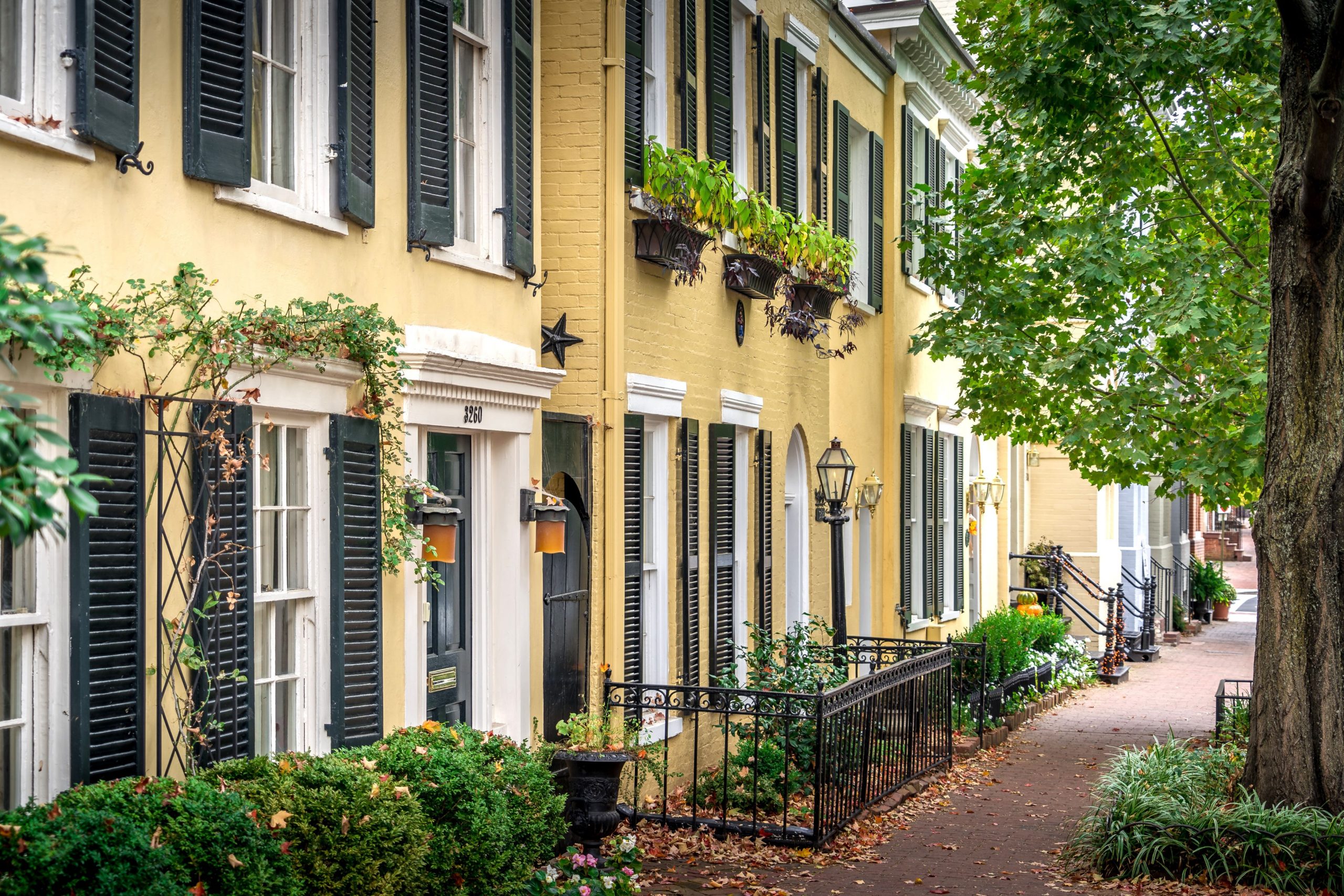
We know. Learning about homeowners insurance isn’t the most scintillating way to spend your time. But if you own or are considering buying a home, it’s imperative to understand why it’s needed, how much is needed, and how to get the right coverage … before it costs you more than you expect.
Your home is more than a place to make lifetime memories. It’s likely the biggest financial asset you have that will likely continue to grow in value over time. Protecting that asset is where homeowners insurance enters the picture.
Homeowners insurance is different from a home warranty (which covers appliances, systems or structures in a home), hazard insurance (which only covers the structure of a home), or title insurance (which protects against claims of ownership or liens on the home).
In short, homeowners insurance is a form of property insurance that covers losses and damages to an individual’s residence, along with furnishings, jewelry, and other assets in the home. Homeowners insurance also provides liability coverage against accidents in the home or on the property.
Having insurance in place is generally required for buyers acquiring a mortgage and a lender will set a deadline by which a policy has to be in place prior to closing. At the very least, properties without a mortgage should still have liability insurance coverage for accidents that occur to others in the home or on the property.
First-time homeowners will need to account for this new expense in their monthly housing costs, while existing owners will want to keep watch for rising rates and changes in their household. Determining how much insurance coverage you need is based on a number of factors:
- What is the replacement cost of the home? This is not the same as the price of the home when it sold (a.k.a. market value of home and the land it sits upon) and is determined by construction costs, material, and labor. Land is not considered in replacement cost but additional structures on the property would be.
- What is the potential for a natural disaster where the property is located? Areas subject to hurricanes, tornadoes, fire, landslides, or other natural “perils” will likely require more coverage and at higher premiums, while properties subject to flooding or earthquakes may not be covered at all or will require an additional and specific insurance rider (at additional cost).
- Is your home located in a high-risk area for crime or accidents, or far from a fire hydrant,? Does it have a pool, or have other unique qualifiers like being a historic property? Insurers will drill down to find details like this that can affect your premium.
- What is the age, size, and condition of the property? Insurance for a home that’s more than 30 years old can be up to 75% higher when compared to a new home, and properties with older electrical and plumbing systems or show signs of decay will affect premium pricing.
- What is your credit score? According to Experian, a major credit-monitoring company, while the algorithms insurers use are different from lenders to determine a “worthiness score,” insurers will evaluate the potential to file a claim, which will affect premium rates.
Once you’ve estimated how much coverage you’ll need, the next step is to select an insurer. Anyone who has turned on their TV knows there is no limit to the number of companies vying for your business (surely you’ve seen commercials with Martin the Gecko, Flo, Jake, Mayhem… the mascot list goes on), and there are plenty of online calculators to help get ballpark estimates and compare coverage. If you already have another type of insurance policy in place – such as auto, personal property, renter’s coverage – ask if your current insurer will offer a bundled discount. If you are brand new to the insurance market, ask around for recommendations; your Realtor, your lender, your neighbors are a great way to crowdsource worthy companies.
Evaluate your homeowners policy at least annually, and update immediately following any important changes to your home or when you experience major life events. Contact your insurer to update coverage OR receive a discount on your premium if you experience any of the following:
- Home expansion, improvements, and renovations
- New furnishings and electronics
- Installation of security devices
- Addition of energy-efficient appliances, windows, roofing, etc.
- Installation of solar panels
- Add or remove family members living in the home (including pets!)
- Acquire new assets like jewelry, artwork, antiques, etc.
- Begin or end working from home
- Retire
With a little bit of research and an annual review of current coverage, your homeowners insurance should be one of the easiest and most cost-effective ways to protect your home and all that dwells within it. And that’s anything but boring!
Take a look at our website for all of our listings available throughout Washington, D.C., Maryland, and Virginia.
Don’t miss a post! Get the latest local guides and neighborhood news straight to your inbox!

What to Keep in Mind When Selecting Finishes for Your Kitchen
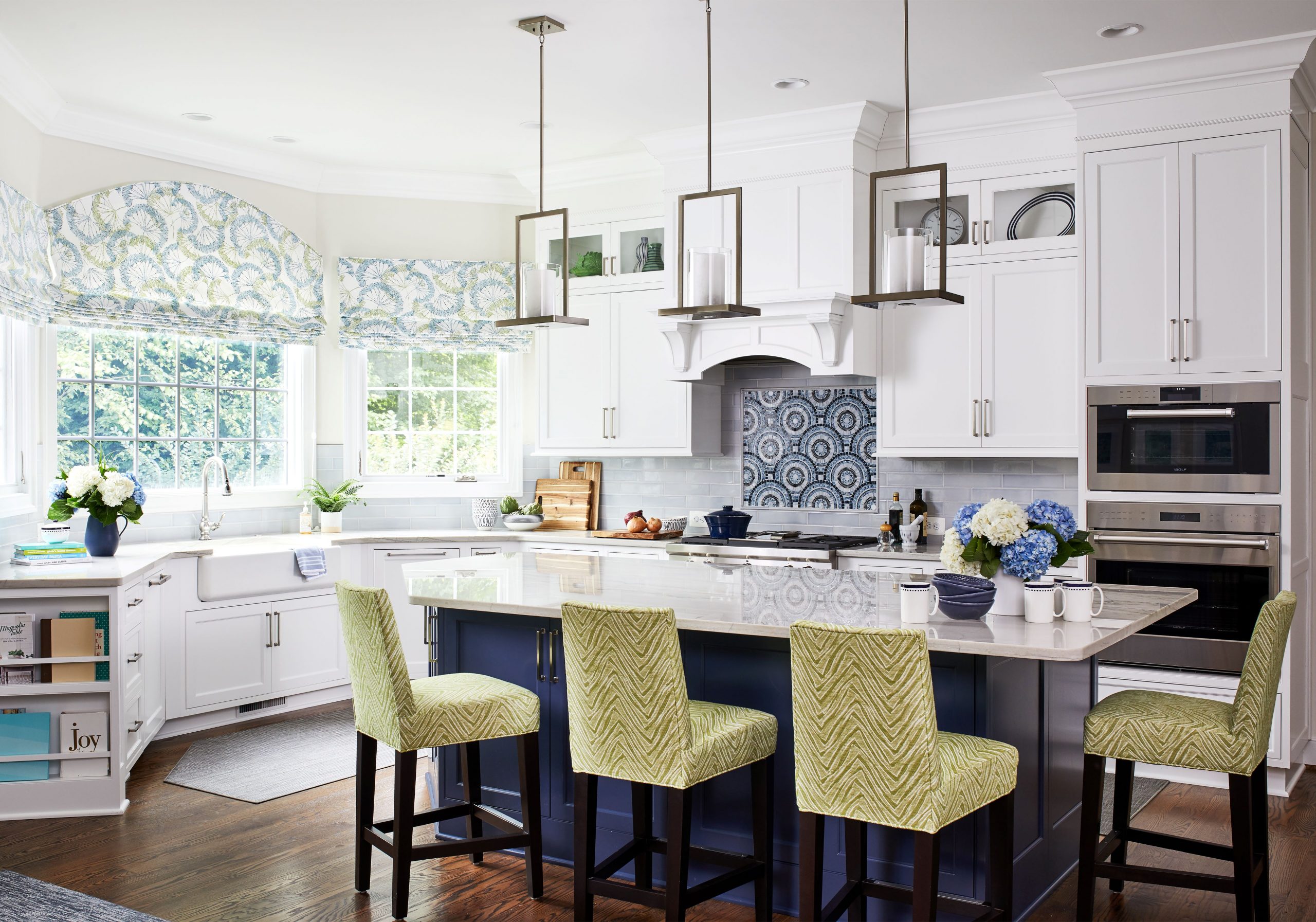
In the process of remodeling your kitchen or designing one from scratch? Hardware finishes and countertop materials are likely top of mind! To ensure you’re tackling your project like a pro, keep reading—we asked experts to share the main factors to consider as you make big design decisions in your cooking space. Intentionally taking the time to do some research ahead of time will ensure you’re happy with your kitchen for the long haul.
With regard to hardware…
Metals and Styles Change
Be mindful that very few hardware finishes will always be trending. As Seth Ballard principal at Ballard + Mensua Architecture says, “In general a total coordination of finishes with nice contrast is what is most important.” He explains that brass came back into style in the 2010s but was then followed by white gold and antique finishes. “Antique brass came back to some degree to warm things up after many years of brushed nickel,” he notes. Polished chrome and polished nickel have generally been mainstays. “They are reflective and never really went out of style,” Ballard says.
Consider Metals in Cabinets
Ballard has noticed an increased use of metal meshes inside cabinet doors in lieu of glass. “This can add a nice pop,” he says, and recommends turning to Van Dyke’s Restorers for a variety of options.
With regard to countertops…
You will want to explore the world of options available to you when it comes time to choose a countertop material. “There are a lot of amazing and beautiful options and finishes for tops – it is worth going to some slab yards to get exposed to the possibilities,” Ballard says. “Bring your cabinet samples and a paint wheel to help to coordinate your palette of finishes.” He suggests visiting Marble Systems in Merrifield, Virginia, to explore various materials. “They sell lots of tiles so you can choose your tile backsplash while shopping,” Ballard says, noting that it’s smart to speak with the staff there about a slab’s durability. “If you run your hand across the slab and feel ridges—anything other than the feeling of an ice skating rink—those areas will require maintenance and can absorb stains,” Ballard explains. He advises those looking for something more resistant to consider Silestone and Caesarstone, which require little maintenance.
Allie Mann, senior designer at Case Architects & Remodelers, is a proponent of quartzite in the kitchen. “Many folks like the idea of white counter tops though shy away from marble, selecting quartz products instead,” she says. “I would suggest considering quartzite which is harder that quartz as a surface and sometimes available in larger slab sizes, for that perfect no seam island!”
Ballard shares a key actionable step to take before visiting a slab yard—getting your plans to a fabricator. “Most slab yards list price range, but the fabricator is who prices the job,” Ballard explains. “This can make shopping difficult, because you may like a slab but have no idea what it will cost.” By providing your plans to a fabricator ahead of time, you can call them from the slab yard and they will guide you on specific pricing.
Keep in mind when selecting materials that they will experience visible wear over time, some more quickly and noticeably than others. “I would say avoid materials with a “living finish” or that will patina over time unless you are fully aware of what this means,” Mann says. “For a kitchen, this can include unsealed copper or nickel or a marble countertop that you do not seal regularly.”

Sarah Lyon is a New York City-based freelance writer, originally from Bethesda, MD. She contributes to a number of national design and lifestyle publications like Architectural Digest, Apartment Therapy, MyDomaine, the Washington Post, and more. Sarah also works with designers to help them style spaces for photo shoots. Find more shelfies on her Instagram page, @sarahlyon9
Don’t miss a post! Get the latest local guides and neighborhood news straight to your inbox!
Keys To Throwing A Big Holiday Party
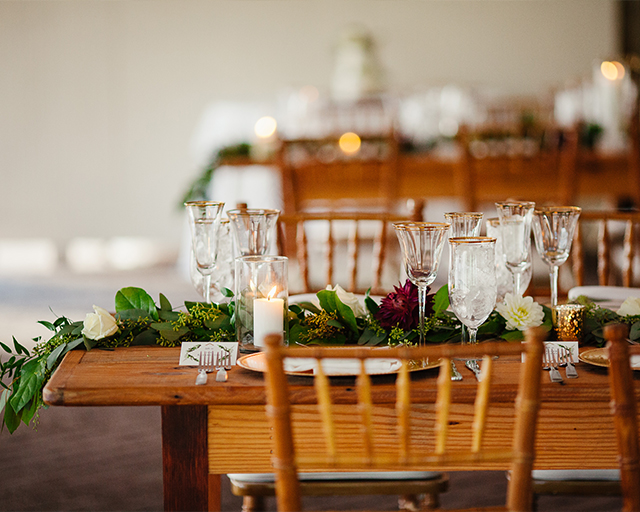
This week’s article is from our partners at The Scout Guide, giving guidance on how to how a big holiday party!
The holidays may still be a couple months away, but if you’re thinking this is the year you finally host a large-scale holiday soiree, it’s time to start planning. We checked in with four Scouted event planners for their advice on how to seamlessly pull off a big bash. Cue Bing Crosby and prepare to deck the halls. To find a scouted event planner in your area, consult The Scout Guide Directory.

Event planning by Party Little Things. Photography by Dabble Me This Photography.
Start with a theme.
Kick off your party planning by selecting a fun theme or design inspiration that gets you excited for the creative planning process, advises Rachael Bruzas, owner and event designer at Party Little Things in Carmel, Indiana. “Choosing a central design element helps create consistency and adds that extra touch of elegance to impress your guests,” she says.
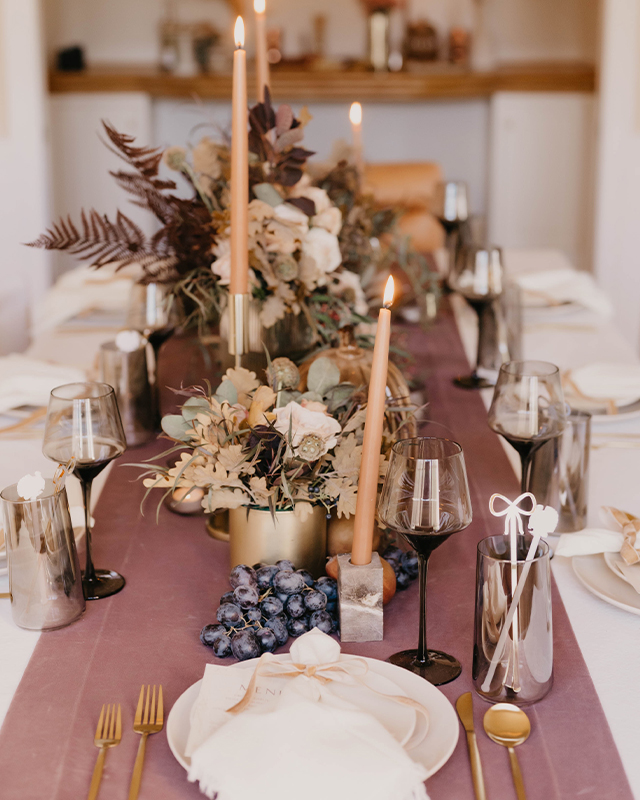
Event planning by Party Little Things. Photography by Shelly Ruth Photography.
Don’t make décor an afterthought.
You can easily elevate the ambiance of your party with thoughtful décor and lighting. Bruzas recommends investing in, or renting, quality décor elements that tie into your theme and using lighting strategically to create a warm and inviting atmosphere. She likes to incorporate taper and votive candles to add a warm, romantic glow to tables. Another one of her go-to’s is to peruse the produce aisle. “Bowls of fresh produce, such as fruit and vegetables, not only add color, but a sense of abundance and hospitality,” Bruzas shares.

Event planning by Partytrick. Photography courtesy of Partytrick.
Play to the senses.
Holiday parties are intended to be festive and cheerful. “To set the ambiance, consider all of the senses from the sights, to the scents, touch, sounds, and taste,” Virginia Frischkorn, founder and CEO of Partytrick (app available in AppStore or Google Play) says. “We tend to focus on one element and give all of the other senses less attention. When you plan an event with a five senses approach, it’s nearly impossible not to set an ambiance that people will love.” If you’re in a pinch, she recommends throwing up some twinkle lights, scattering a lot of candles, putting on a pot of hot cider with spices on the stove, tuning to a holiday channel on Spotify or Pandora, and serving up some crowd favorite foods.

Event planning by Partytrick. Photography courtesy of Partytrick.
Consider the menu.
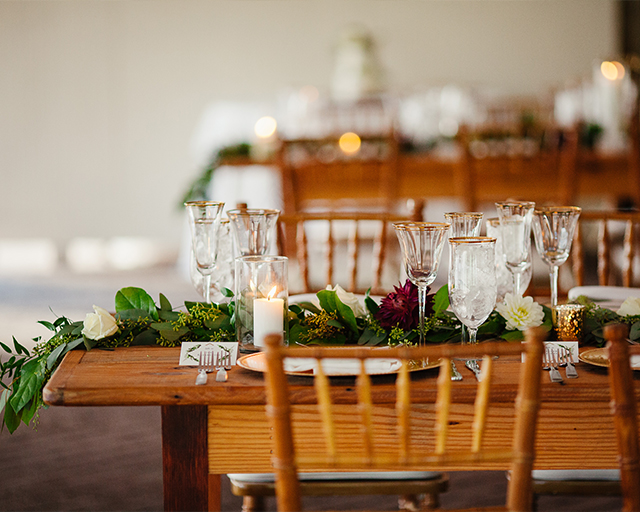
When planning your holiday gathering, one of the first considerations is whether you will have buffet service or a seated dinner. Both have a very different vibe and are equally lovely. If you go with the latter, Frischkorn recommends keeping variety front and center, ensuring you please as many guests as possible. This means offering a mix of stationed areas like grazing boards, charcuterie, seafood stations, and/or crudite. If you decide to hire support staff, which is crucial for a large party, it’s also a good idea to offer passed appetizers. Frischkorn advises a one to two bite size maximum and considering a blend of vegetarian, fish, meat and hot and cold selections.
Event planning by Range Curated. Photography by Pogo Photography.
Make it a dinner party.
Going the more formal, seated dinner route, is Megan Howard Forbes, founder of Range Curated in Naples, Florida, favorite way to entertain. She recommends starting with passed hors d’oeuvres, offering a signature cocktail and following with plated dinner with wine service. “It gives everyone a chance to mingle, then settle in for more intimate conversation over the main meal,” she says. “This keeps people eating while conversing and cocktailing, and helps curate an intentional menu with less waste.” While logistically sometimes harder to pull off, a seated dinner party is always going to feel special.

Event planning by Range Curated. Photography courtesy of Range Curated.
Carve out zones.
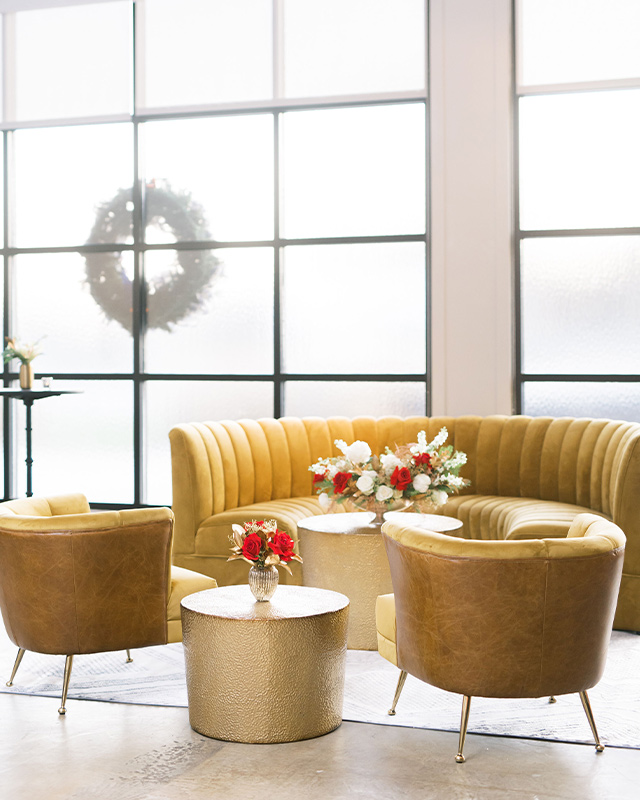
While big soirees are great fun, they can also be short on intimate moments. That’s why Forbes stresses the importance of thinking of your guests’ comfort and creating spaces that cater to all types—from the extrovert to the introvert. For every party, whether it’s a large cocktail party or seated dinner, she likes to create a tête-à-tête corner, quiet nooks for four or five to gather, and a room dedicated to keeping children, should you choose to invite them, entertained. “Having a mix of more informal seating or standing areas is important,” she says.
Event planning by ABBA Design. Photography by Liz Grogan Photography.
Plan now.
The biggest takeaway from all of our experts is that advance planning matters when taking on a large party. “Start now and pick your date,” shares Tonya Morris, founder and creative director at ABBA Design in Greensboro, North Carolina. This will ensure that your key guests will be able to attend. Other things Morris advises doing ASAP include setting a budget and determining your purpose, finding a venue, and deciding if you are going to use vendors (think florists, caterers, party suppliers) and securing your preferred ones. Finally, get those save-the-dates in the mail. There are only a few weekends during the holiday season and they book up fast!
TSG Tip 464 from Rachael Bruzas, owner and event designer at Party Little Things in Carmel, Indiana; Virginia Frischkorn, founder and CEO of Partytrick in Denver, Colorado; Megan Howard Forbes, founder of Range Curated in Naples, Florida; and Tonya Morris, founder and creative director at ABBA Design in Greensboro, North Carolina. Party Little Things appears in The Scout Guide Hamilton County. Partytrick appears in The Scout Guide Denver. Range Curated appears in The Scout Guide Naples. ABBA Design appears in The Scout Guide Triad.
Take a look at our website for all of our listings available throughout Washington, D.C., Maryland, and Virginia.
Don’t miss a post! Get the latest local guides and neighborhood news straight to your inbox!
How to Create the Ultimate Pet-Friendly and Animal-Friendly Yard


Landscape architects consider all of the ways you plan to use your outdoor spaces, and that includes making them pet-friendly! From dog runs to catios (a patio for cats!), we ensure the spaces are safe and welcoming for all of your critters. If you are looking to make your yard more joyous for your pets, consider the following best practices.
Dogs
- Your dog can’t ruin your grass if there’s no grass to ruin. Using plants or mulch in place of grass is a great way to keep your yard looking great even if the yard is your dog’s bathroom.
- You may not have a pool, but your dog can! Get a small kiddie pool or go all out with a pond. You can go as big (water fountain) or as simple as you want. Another bonus: clean, running water can double as outside drinking water for your dog.
- Don’t forget to add shade to your design! In the hot and humid summer months here in the DMV, your dog will appreciate the shade as much as that pool.
- If you’ve got a high-energy dog, give them room to run! Open spaces and flat ground make great options for free-range play.
Cats
- Create a catio to allow your cat outside without actually letting them out. You can add cat-friendly plants (such as a spider plant or African Violet) for aesthetics, cat bed, scratching post, and some cat toys to make it feel like home!
- Put bird feeders outside the house to give your cat something to look at throughout the day without actually allowing them to chase down the birds.
- Cats dislike certain smells. If you’re worried about neighborhood/outdoor cats using your yard as a litter box, plant things with citrus smells or lavender to deter them. If you’re really having issues with neighborhood cats you could consider motion sensor sprinklers to keep them away.
Birds
- How do you attract birds to entertain the cat? Put out bird food and bird boxes.
- Bird baths also attract birds, and it’s so fun to watch them gather and splash around!
Butterflies and Bees
- Attract beautiful butterflies with native Virginia plants like White Turtlehead and Butterfly Week. Not only will you enjoy seeing them, but this also feeds your local pollinators (which is good for the entire ecosystem!).
- Bees get a bad rep. If you’d like to support them, you can plant bee-utiful plants on your yard’s perimeter, such as Blue Vervain.
Learn more about supporting your local pollinators with your yard in this guide!

Pragya Mishra is the Founder and Principal of Artscapes, LLC, a Northern Virginia-based landscape architecture firm that specializes in designing outdoor transformations that bring you joy. With 22 years of professional experience, she works closely with each client and her network of top-tier contractors to make each project vision a reality. Follow Artscapes on Instagram @artscapes_living and see examples of past projects on her website, www.artscapesliving.com.
Take a look at our website for all of our listings available throughout Washington, D.C., Maryland, and Virginia.
Don’t miss a post! Get the latest local guides and neighborhood news straight to your inbox!
23 Kids’ Rooms That Are Big On Style
This week’s article is from our partners at The Scout Guide, sharing inspiration on how to set magical spaces for the children in your life!
Whether you’ve got toddlers or teens, these magical spaces for the younger set prove that elevated interiors are as much for children as they are for grownups. To find an interior designer to help turn your design dreams for your kiddo’s bedroom into a reality, consult The Scout Guide Directory, and read on for the ultimate inspiration.
The perfect mix of patterns
Designed by Tori Rubinson Interiors in Fort Worth, Texas. See the rest of the project here.
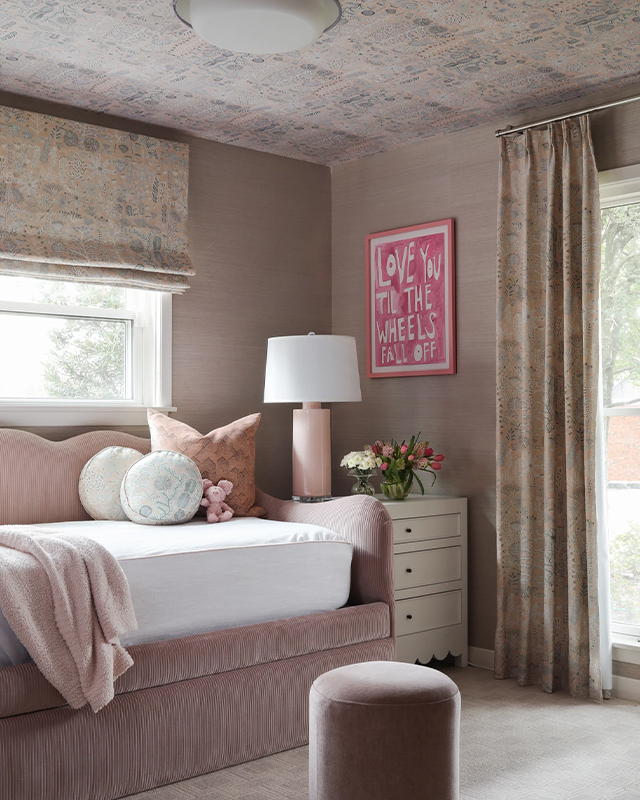
Opt for blush tones
Designed by Amanda Lodge Design in Houston, Texas. See the rest of the project here.
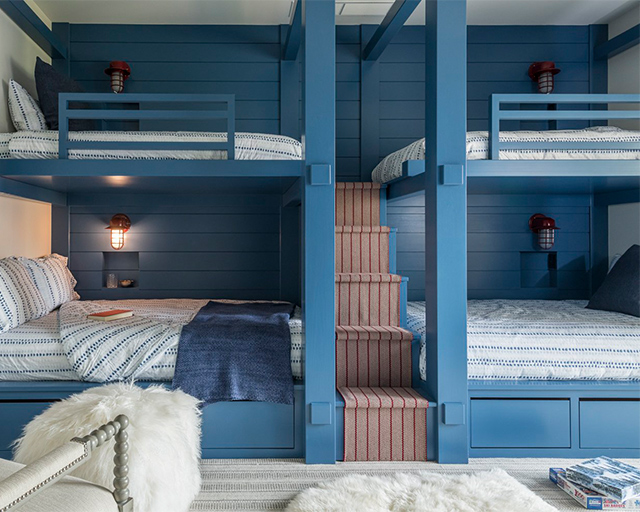
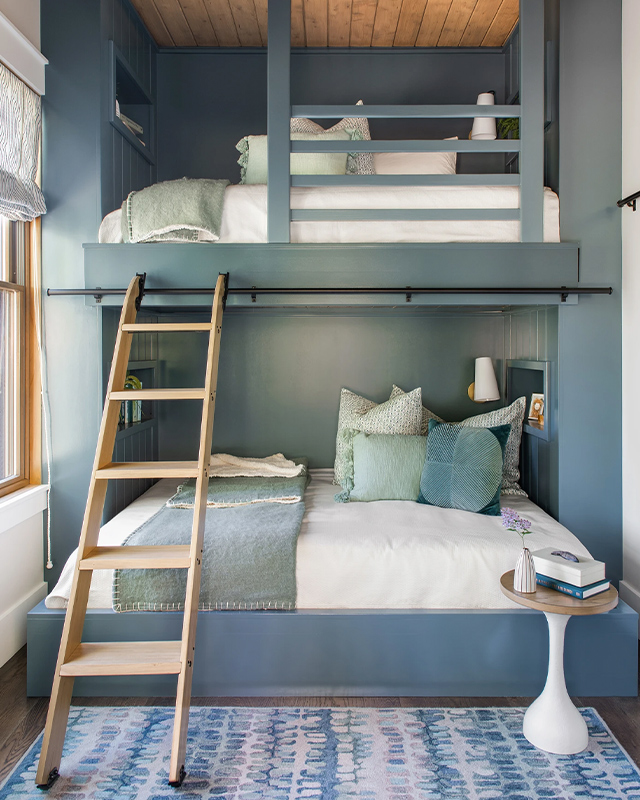
Bunks in blue
Designed by Barbara Gisel Design in Haverford, Pennsylvania. See other projects here.
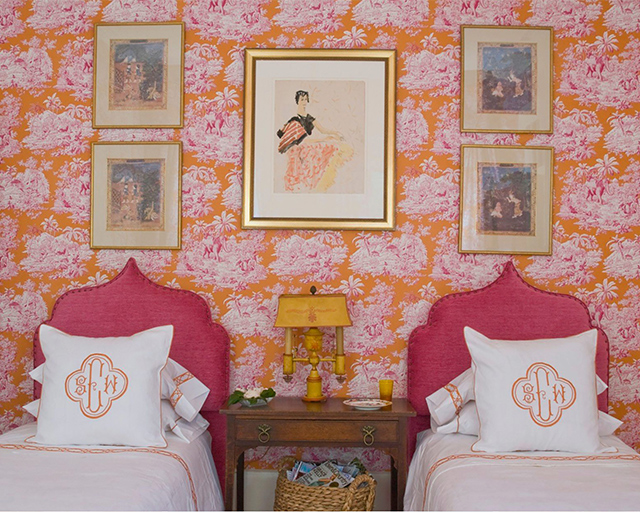
Focus on big, bold florals
Designed by Melissa Rufty Design Studio in New Orleans, Louisiana. See the rest of the project here.
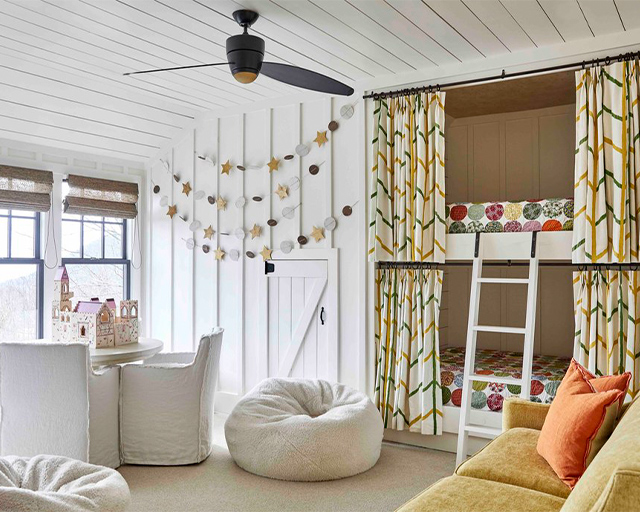
A moment for standout seating
Designed by Caroline Brackett Design in Greenville, South Carolina. See other projects here.
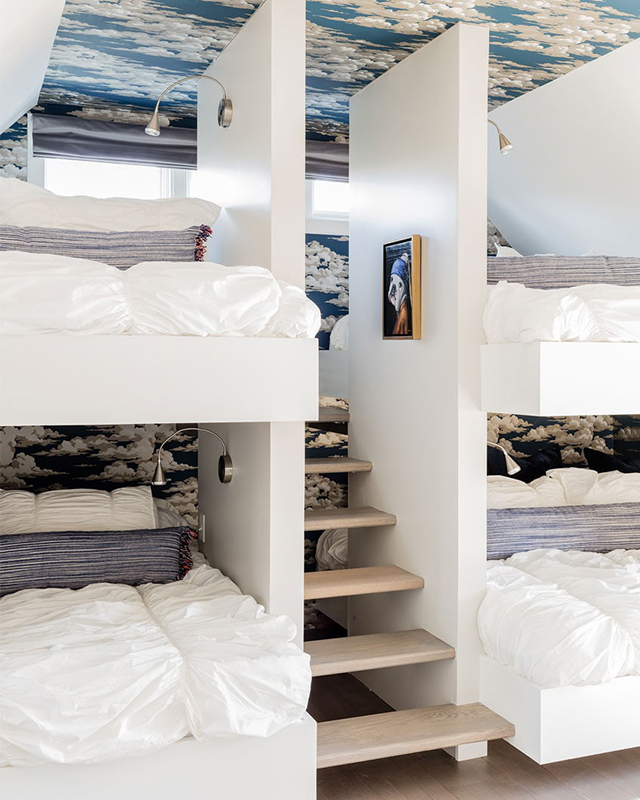
Consider a statement ceiling
Designed by Ana Donohue Interiors in Naples, Florida. See other projects here.
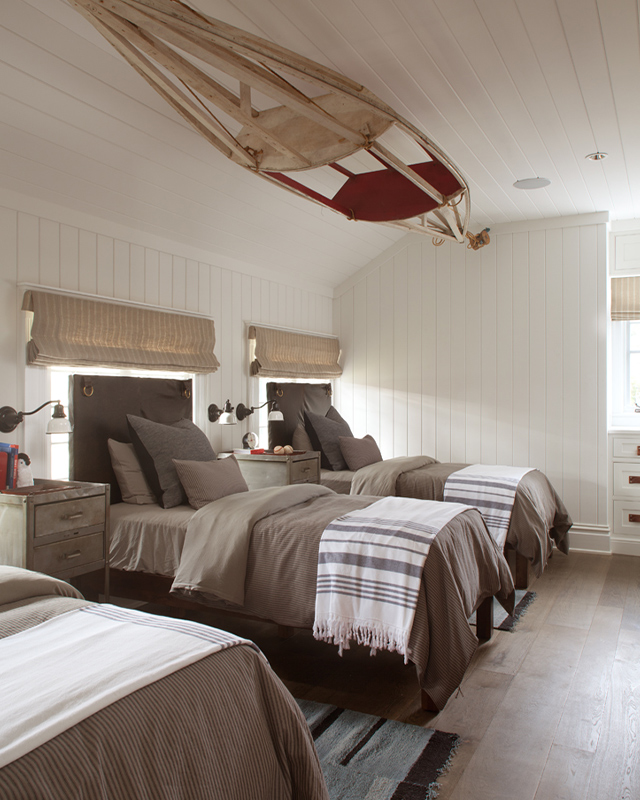
Go coastal with shiplap
Designed by DeCesare Design Group in Phoenix, Arizona. See the rest of the project here.
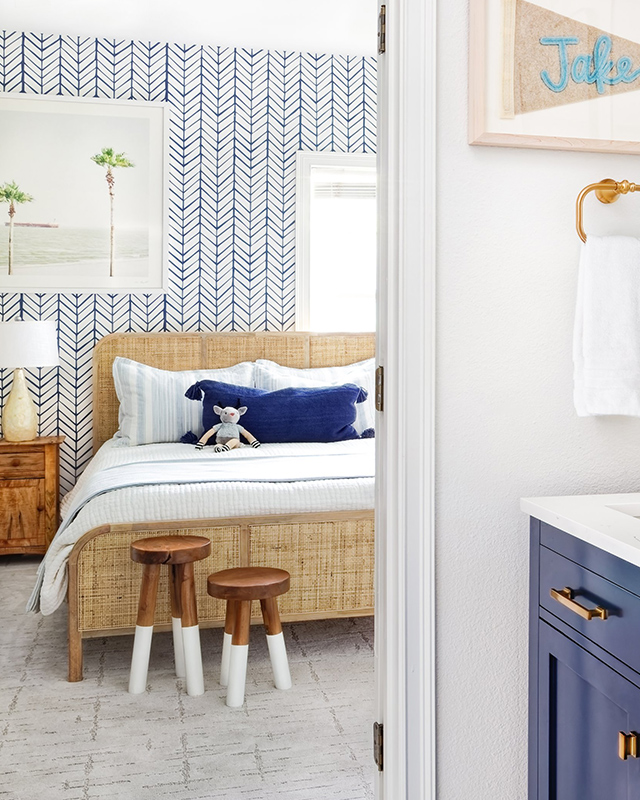
Oceanside vibes
Designed by Mead Design in Winter Park, Florida. See other projects here.
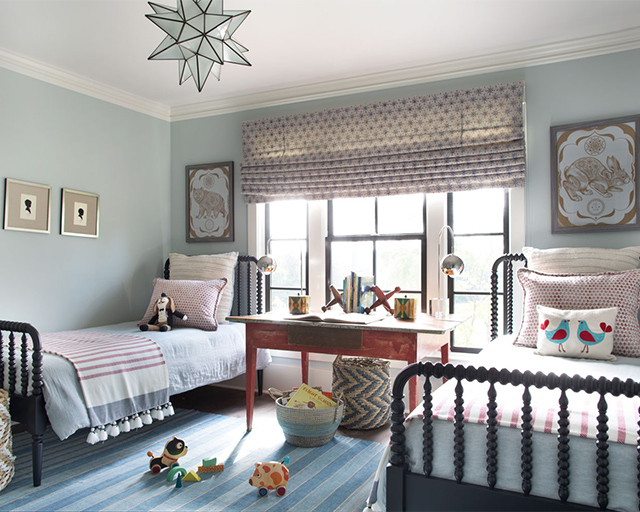
Get happy with heirlooms
Designed by Cloth & Kind in Ann Arbor, Michigan. See the rest of the project here.
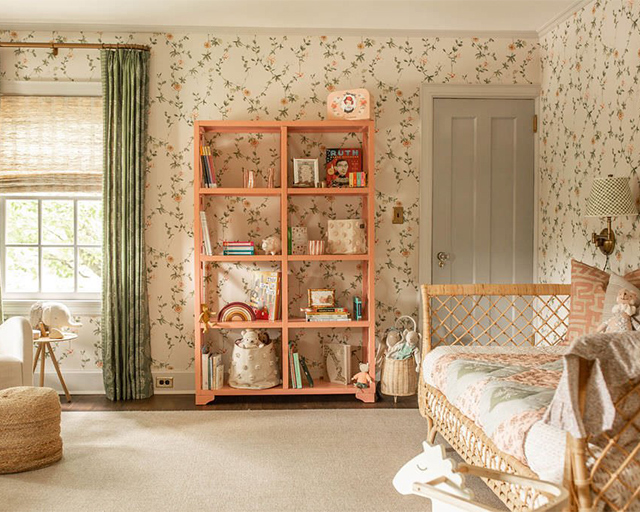
Channel subtle softness
Designed by Story Street Studio in Bozeman, Montana and New York, New York. See other projects here.
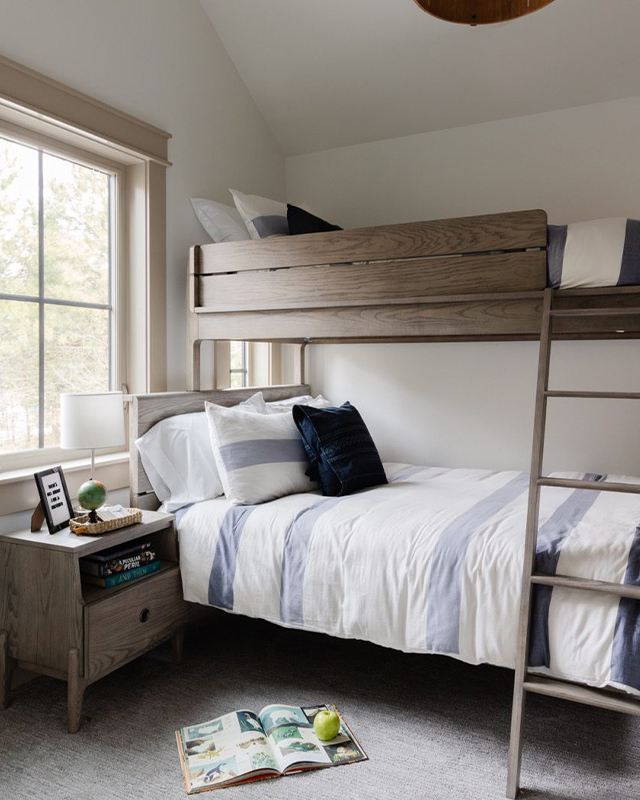
Keep it classic
Designed by White Label Interiors in Seattle, Washington. See the rest of the project here.
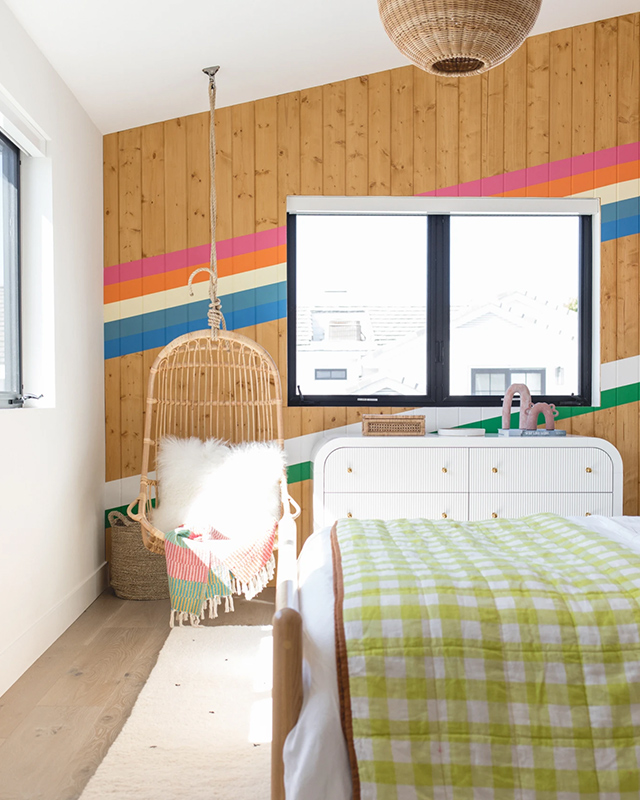
All about color
Designed by Skout in Newport Beach, California. See the rest of the project here.
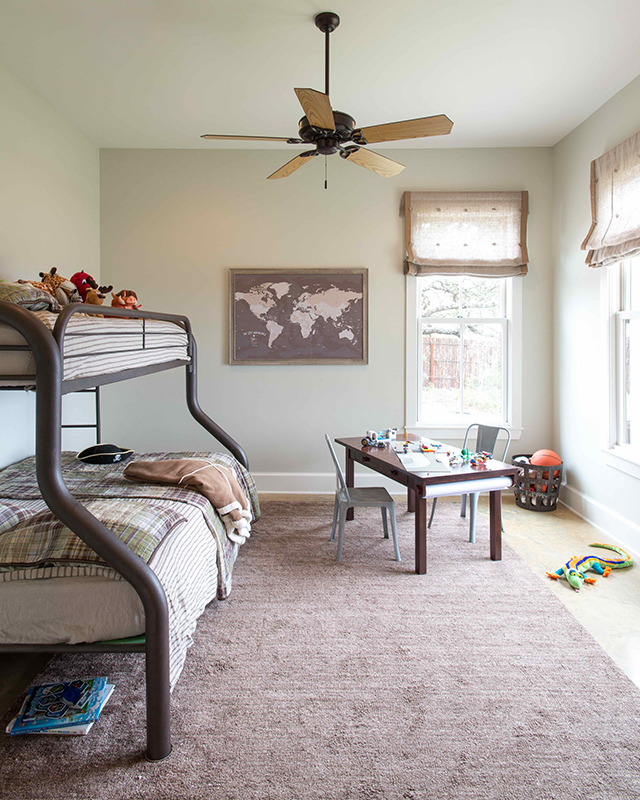
Embrace earthy shades
Designed by Slaughter Design Studio in Fredericksburg, Texas. See other projects here.
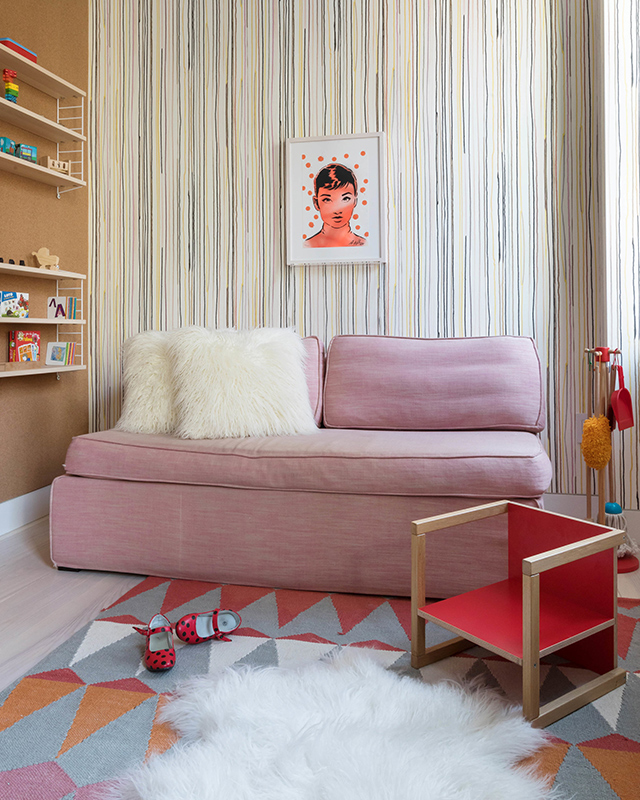
Make it mod
Designed by Murphy Waldron Interiors in Durham, North Carolina. See other projects here.
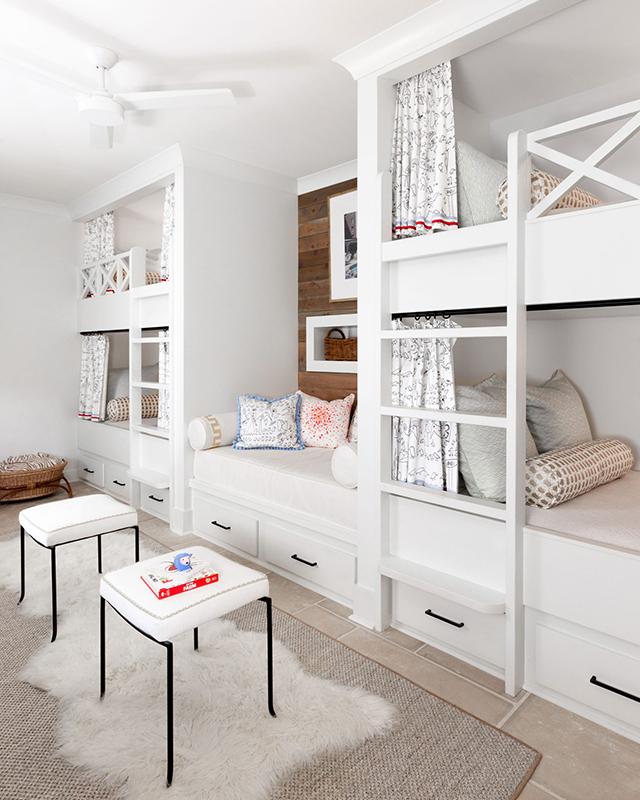
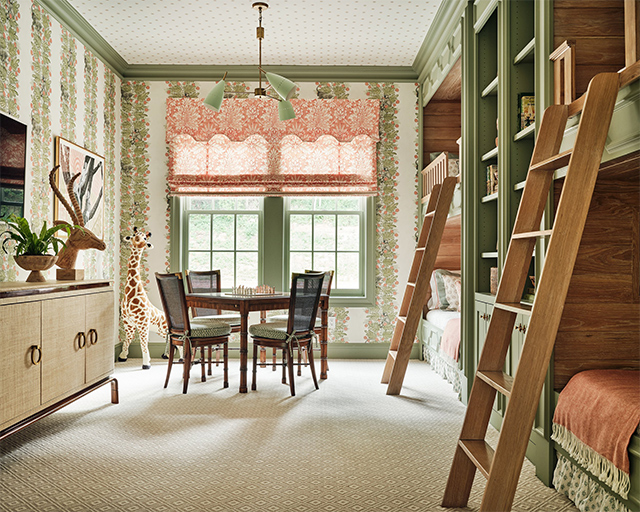
Elevate built-in bunks
Designed by Betsey Mosby Interior Design in Jackson, Mississippi. See the rest of the project here.
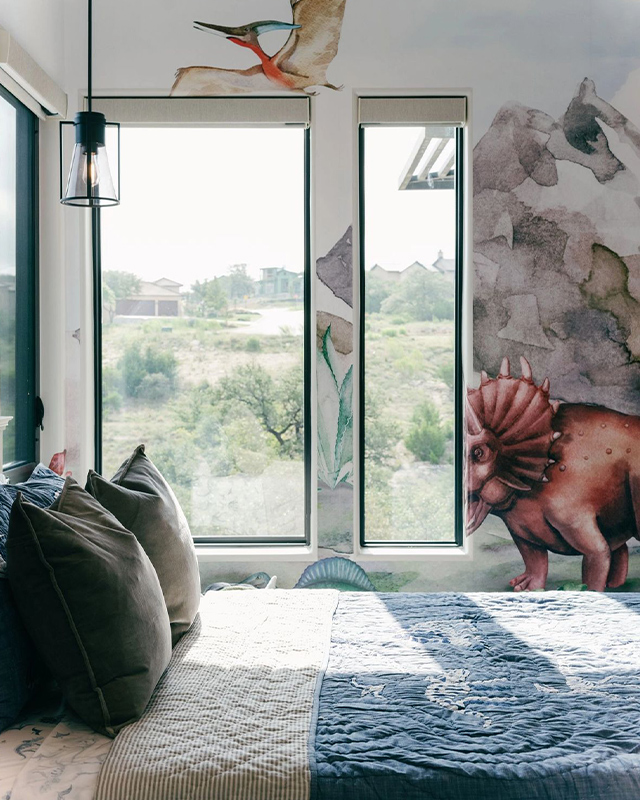
Walk on the wildside
Designed by Haus of Powell Interior Design in San Antonio, Texas. See other projects here.
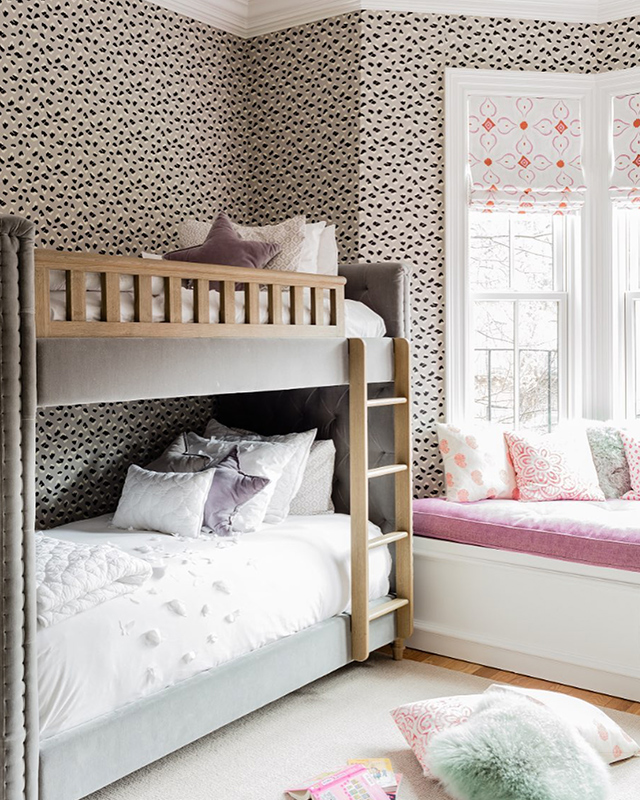
Animal print for the win
Designed by Glickman Design Studio in Charlottesville, Virginia. See other projects here.
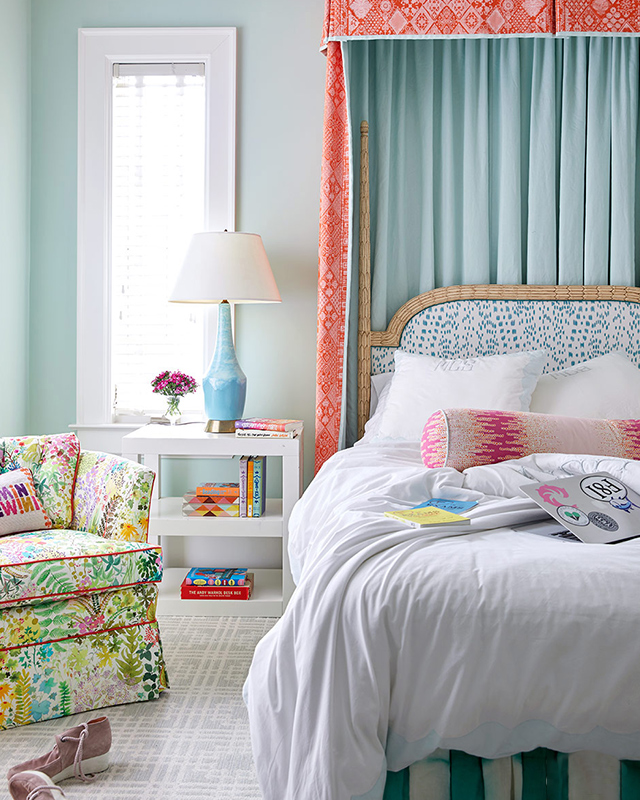
A sophisticated teen dream
Designed by Barrie Benson in Charlotte, North Carolina. See other projects here.
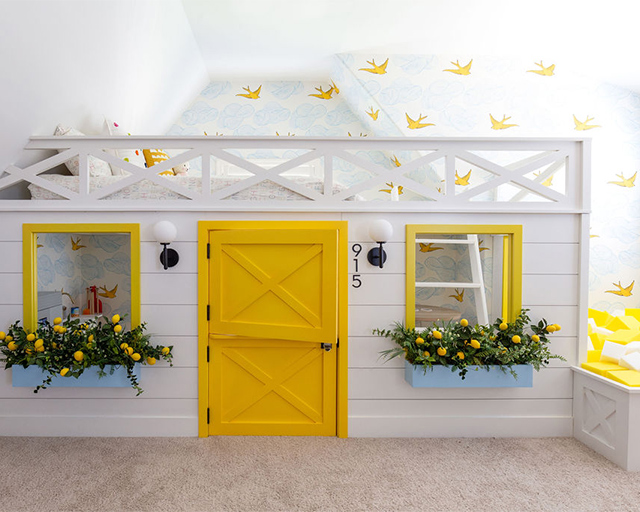
A pop of sunny yellow
Designed by Lindsey Black Interiors in Memphis, Tennessee. See other projects here.
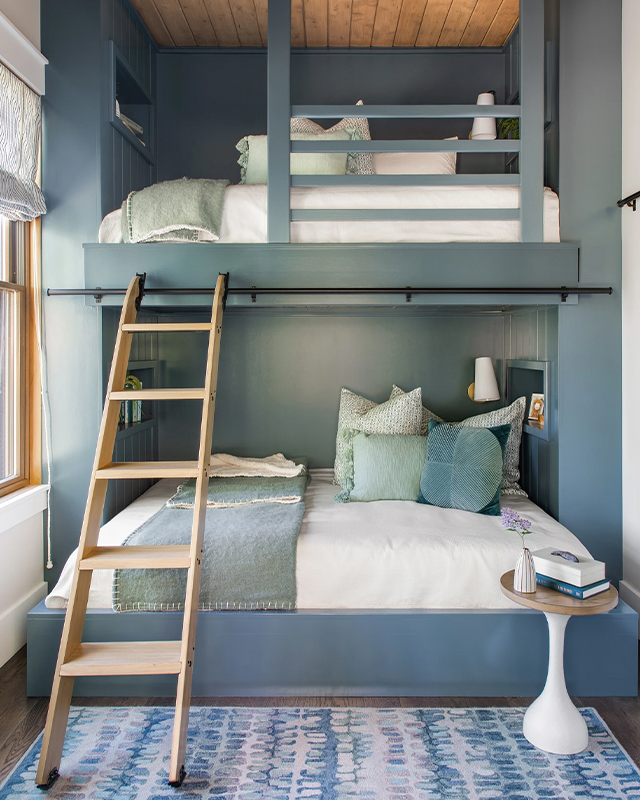
Beautiful blue hues
Designed by Susan Chancey Interiors in Asheville, North Carolina. See the rest of the project here.
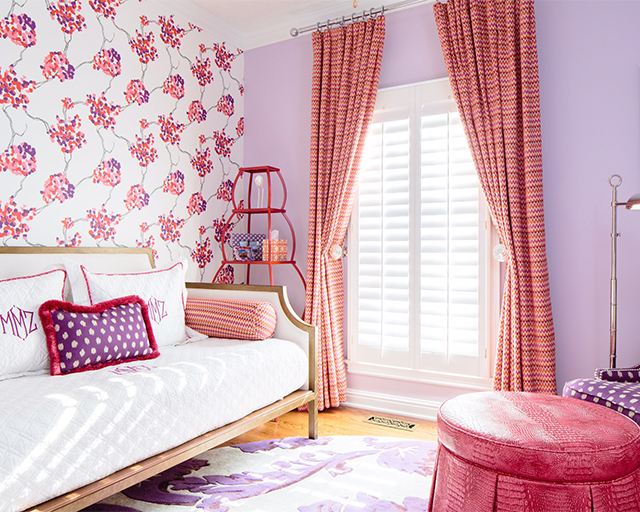
Elect for a pink and purple palette
Designed by Natalie Clayman Interior Design in Knoxville, Tennessee. See the rest of the project here.
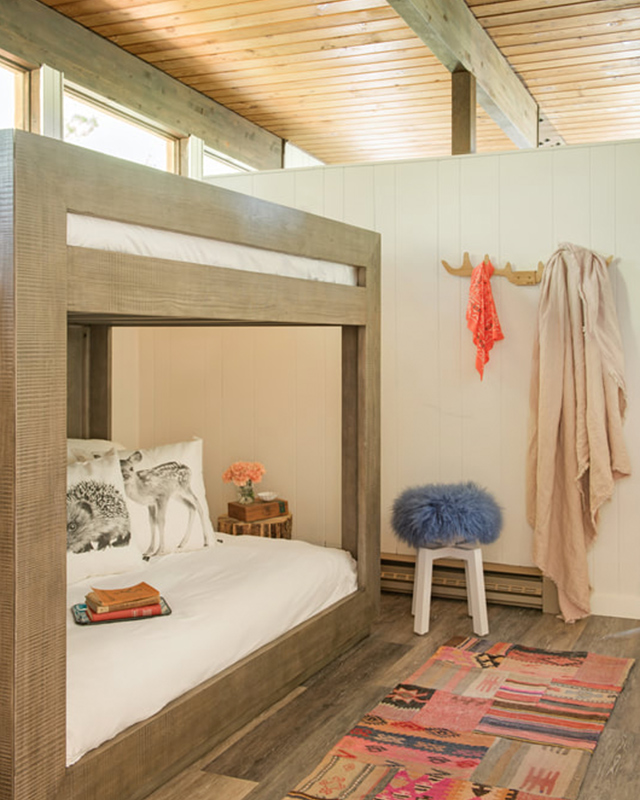
Rustic meets modern
Designed by Urbaine Home in Bozeman, Montana. See the rest of the project here.
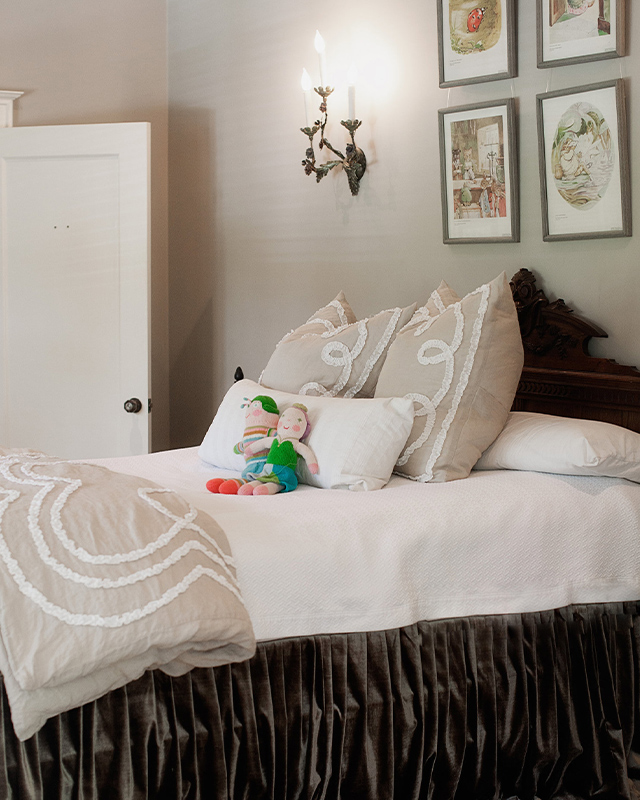
Add a touch of elegance
Designed by Whitney Schones Design in San Antonio, Texas. See other projects here.
Don’t miss a post! Get the latest local guides and neighborhood news straight to your inbox!
Two Years After Surfside Condo Collapse, Here’s What You Need To Know Before You Buy or Sell a Condo

Condo associations are in the spotlight as new government lending requirements for condo sales take effect this week, impacting millions of owners and potential buyers.
In the early hours of June 24, 2021, Champlain Towers South, a 12-story beachfront condominium in the Miami suburb of Surfside, FL partially collapsed, causing the deaths of 98 people.
Later that same day a lawsuit was filed in Miami Dade Circuit Court by a resident of the building against the Champlain Towers South Condominium Association, seeking $5 million in damages “due to defendant’s acts and omissions and their failure to properly protect the lives and property of plaintiff and class members”.
What followed was a year of legal maneuvering and class-action lawsuits that ultimately ended on June 23, 2022 – one day before the first anniversary of the collapse – with a $1.02 billion judge-approved settlement in favor of victims of the collapse. The defendants in the case, including the Champlain Towers South Condominium Association and other developers of the property, chose to settle rather than face lengthy litigation and exposure to additional liability.
The collapse of a seemingly sturdy building – only 42 years old at the time – put a spotlight on the culpability of condominium owners’ association boards and deferred maintenance. Reports soon emerged that the long-term degradation of reinforced concrete structural support in the basement-level parking garage under the pool deck had been a cause of the collapse. The problems had been reported in 2018 and noted as “much worse” in April 2021, and while a $15 million program of remedial works had been approved before the collapse, the main structural work had not started.
Flash forward to this week and federally funded lending companies Fannie Mae and Freddie Mac made permanent on September 18 new requirements to project eligibility standards for condominiums and housing cooperatives. Given that there are an estimated 175,000 condo associations in the U.S. – according to the Community Associations Institute (CAI), the leading international membership & advocacy organization for condo associations with over 45,000 members and 63 chapters internationally and domestically – this move will have great impact across the condo market.
According to CAI, community association boards and managers will likely see changes in lender questionnaires and requests from lenders for additional documentation, including: insurance policies, budgets, financial reports, reserve studies and funding schedules, documentation regarding special assessments, documentation about litigation or alternative dispute resolution, and – importantly – building inspection reports. If the association does not provide this information to lenders, the project may be deemed ineligible, and put on an ineligible list.
While the Fannie Mae/Freddie Mac requirements had been in temporary status since shortly after the Surfside collapse, it may come as a surprise to buyers and sellers who were not aware of them now that they have become standard practice. So what does this mean for condo owners and potential buyers?
“Subsequent to the tragedy in Surfside Florida, Fannie Mae and Freddie Mac implemented more stringent requirements for determining whether a condominium project is eligible for individual unit financing, meaning lenders now require an increased level of documentation and additional appraisal requirements to help determine whether a project is potentially structurally unsafe,” says Brian Bonnet, Senior Loan Officer with Atlantic Coast Mortgage. “The temporary project review requirements implemented two years ago, and which have now been made permanent, have resulted in an increased number of condo projects no longer being eligible for standard mortgage financing. Condo associations, individual unit owners and potential buyers should become educated as to the lending industry’s requirements for certifying the acceptability of a condominium project.”
As a buyer, the best start is always to speak with a local lender who will guide you through the process and let you know which condo projects are not currently eligible for some financing. There may be additional requirements for FHA and VA/veteran buyers to be aware of that conventional financing doesn’t require. For sellers, be sure to review your condo associations documents and speak with the condo association board for any updates to be aware of.
Read the full Fannie Mae & Freddie Mac review of condo lending requirements here.
Don’t miss a post! Get the latest local guides and neighborhood news straight to your inbox!
Introducing Equestrian Style to Your Home for Fall

September is here, and it’s time to begin decorating your home for fall if you haven’t already! Even if you’re not inclined to go all out with pumpkins and ghosts, you can still have fun sprucing up your space for the season by incorporating some warmer tones and quintessential fall patterns, such as checks and stripes, into the mix. And, to take things one step further, why not work some equestrian themed décor into the mix this autumn? Many equestrian themed accents feature deep greens, browns, and reds, making them a perfect choice for this time of year. Below, we’re sharing how you can easily get this look by shopping some of our favorite local retailers.
We love turning to the Opportunity Shop in Georgetown for one of a kind antique pieces to jazz up any corner of the home. How incredible is this chic umbrella stand depicting a classic equestrian scene? It’ll surely brighten up the rainiest of fall days.

Photo courtesy of: Opportunity Shop, DC
If you’re in need of some new artwork for the home, pick up a framed equestrian work like this one. Lean it on the mantel or incorporate it as part of a gallery wall in the living room. Since the piece comes pre-framed, all you’ll have to do is find the perfect spot for it!

Photo courtesy of: Opportunity Shop, DC
If you’re making your way out to Middleburg, don’t miss all that’s in store at Crème de la Crème, an adorable boutique filled with all kinds of goodies for entertaining, decorating, gifting, and beyond. When it comes to our favorite fall finds, we’re eyeing this Hermès-inspired orange tray with an equestrian motif; it’s an excellent pick for the coffee table or dresser top.

Photo courtesy of: Crème de la Crème
Down the street from Crème de la Crème is Federal & Black, which offers a mix of antique and contemporary homewares. We’re especially loving this stylish light fixture, which will dress up any room of the home and pair nicely with equestrian looking pieces, adding an industrial touch to the mix.

Photo courtesy of: Federal & Black
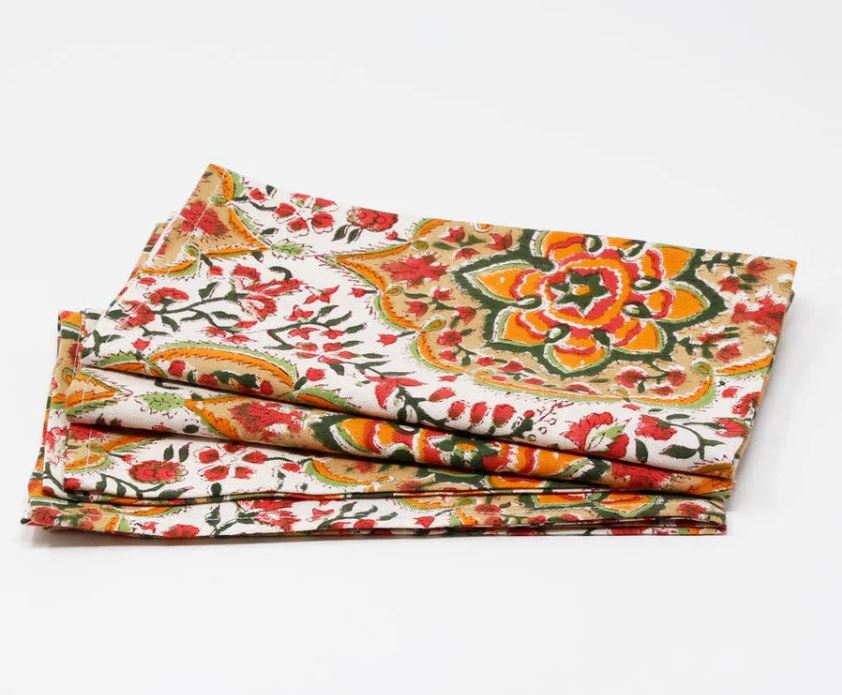
When you’re back in the beltway, drive over to Le Village Marché in Shirlington, where you can stock up on several versatile pieces that will continue to add fall and equestrian flair to your space. A boxwood wreath like this one will shine in your living room until it’s time to switch over to holiday décor. In the dining room, lay down this warm red table runner and matching set of napkins; these pieces will come in handy for all of your fall entertaining needs from now through Thanksgiving.


Wreath | Photo courtesy of: Le Village Marche
Table Runner | Photo courtesy of: Le Village Marche
Napkins | Photo courtesy of: Le Village Marche
Simple upgrades like these will ensure that your space feels more warm and welcoming this season. Because all of these pieces are so classic (unlike those plasticky jack-o’-lanterns!), they’re items that you’ll be able to work into your design scheme year after year.
Sarah Lyon is a New York City-based freelance writer, originally from Bethesda, MD. She contributes to a number of national design and lifestyle publications like Architectural Digest, Apartment Therapy, MyDomaine, the Washington Post, and more. Sarah also works with designers to help them style spaces for photo shoots. Find more shelfies on her Instagram page, @sarahlyon9
Don’t miss a post! Get the latest local guides and neighborhood news straight to your inbox!
Day Trip To Baltimore Maryland

More than just a port city with ships coming and going each day, Baltimore is full of history, art, and great restaurants. Of course we love the Inner Harbor, but there are other fun neighborhoods throughout the city. We hope that once you read our list of favorites, you will plan a day or two exploring Charm City.
Inner Harbor

Photo courtesy of National Aquarium
National Aquarium
501 E Pratt Street., Baltimore, MD 21202
One of the most popular destinations for families, the Aquarium is a great place to discover and learn about the diversity of species living in our world’s oceans. There is so much to see when visiting. The aquarium also offers lots of Tours & Experiences for all to enjoy!
Historic Ships In Baltimore’s
Experience 19th century life at sea with one of the most impressive collections of military vessels in the world. Located in Baltimore’s Inner Harbor, these exhibits celebrate over 200 years of Maryland’s naval and maritime history. Explore the vessels, see the range of artifacts, and take part in educational activities or special events.
Port Discovery Children’s Museum
35 Market Place, Baltimore, MD 21202
At Port Discovery Children’s Museum, they celebrate the community’s diversity and provide a safe environment of inclusion and respect, where all children and the adults in their lives can interact, play, and learn.
Rusty Scupper | Menu
402 Key Highway, Baltimore, MD 21230
From the city’s best brunch to a business lunch, a great night out or one of life’s most important moments–trust them all to the magical view, amazing food and attentive staff of the Rusty Scupper.
McCormick & Schmick’s Seafood & Steaks | Menu
711 Eastern Ave, Baltimore, MD 21202
McCormick & Schmick’s dates its deep seeded roots back to 1974 and has a long reputation of being a company that serves great seafood, steaks, oysters, and beverages with outstanding service
Charles Village & Remington

Photo courtesy of: The Baltimore Museum of Art
The Baltimore Museum of Art
10 Art Museum Drive, Baltimore, MD 21218
Free to the public and adjacent to Johns Hopkins University, the collections of the historic Baltimore Museum of Art (BMA) rival those of much larger cities. The BMA offers a diverse and internationally renowned selection of 19th-century, modern, and contemporary art. Plus, the museum boasts the largest holding of Henri Matisse work in the world.
Charm City Cakes
2936 Remington Avenue, Baltimore, MD 21211
Who can resist the beautiful treats from the bakery at Charm City Cakes. You can even take classes where creativity is encouraged!
Historic Mount Vernon Neighborhood

Photo courtesy of: The Walters Art Museum
The Walters Art Museum
600 N. Charles St. Baltimore, MD 21201
The Walters Art Museum is among America’s most distinctive museums, forging connections through its collections, exhibitions, and education programs. The Walters engages the City of Baltimore, Maryland, and audiences across the globe.
Free Admission
Topside | Menu
101 West Monument Street, Baltimore, MD 21201
Take it easy at Topside, Baltimore’s favorite rooftop overlooking the historic Mount Vernon neighborhood. The seafood-centric menu features local purveyors and artisans. This is a great venue for special events and seasonal celebrations.
Fort McHenry

Photo courtesy of: Fort McHenry National Monument & Historic Shrine
Fort McHenry National Monument & Historic Shrine
2400 E Fort Avenue, Baltimore, MD 21230
The valiant defense of the fort during the Battle of Baltimore on September 13-14, 1814 inspired Francis Scott Key to write the words that became the U.S. national anthem. The fort’s history continued through the Civil War to WWII.
Serenity Wine Cafe
1121 Hull Street, Baltimore, MD 21230
Serenity is a self-serve wine bar located in Locust Point near Fort McHenry. Pour your pleasure from their self-serve dispensing wine machines and enjoy a delicious menu for the perfect pairings.
Hull Street Blues Cafe | Menu
1222 Hull Street, Baltimore, MD 21230
What began as a saloon in 1889 is now the Hull Street Blues Café. A historic three-story brick building located near the harbor’s edge on a side street named after Issac Hull, a naval Hero in the War of 1812, the café serves lunch, dinner, and brunch.
McHenry Row

Photo courtesy of: Iron Rooster
Diamondback Beer | Menu
1215 E Fort Avenue, Baltimore, MD 21230
Diamondback is an experimental production brewery focused on unfiltered lagers, hop-forward ales, and beers of mixed-fermentation, as well as Neapolitan-inspired pizzas.
Iron Rooster | Menu
1606 Whetstone Way, Baltimore, MD 21230
Whether you’re looking for breakfast all day, lunch, supper or drinks, at Iron Rooster you’ll find a new twist on traditional comfort food, legendary hospitality, and a real sense of community.
Samos Greek Island Grill | Menu
3745 Boston Street, Baltimore, MD 21224
Samos has been serving Baltimore classic and modern Greek food since 1977! Located at 600 Oldham Street, it has become a landmark in Baltimore, winning many Best of Baltimore awards.
Mount Clare & Hollins Market

Photo courtesy of: The B&B Railroad Museum
The B&O Railroad Museum
901 W Pratt St, Baltimore, MD 21223
The B&O Museum, which has the largest collection of 19th century locomotives in the country, is housed in the original, eye-catching roundhouse built in 1884. The museum collects artifacts related to early American railroading, Baltimore & Ohio (America’s first commercial railroad), Chesapeake & Ohio, Western Maryland, and other Mid-Atlantic rail systems. See, touch, and explore all kinds of items.
The Back Yard
131 South Schroeder Street, Baltimore, MD 21223
Located across from the B&O Railroad Museum, The Back Yard is a neighborhood bar that offers an excellent selection of whiskey, wine, and craft beer!
Don’t miss a post! Get the latest local guides and neighborhood news straight to your inbox!
Layering mixed materials brings interest and emotion to interiors

This week’s article is from our partners at Luxury Portfolio International sharing inspiration on how to layer mixed materials within your home.
Professionally designed spaces have depth and layers to them, each element adding its own touch while perfectly playing off of the others.
One of the tricks for putting together such a complex yet cohesive space is all about the mix of materials.
“Matte and shiny, textured and flat, patterned and plain: These contrasts make a space feel more dynamic,” said Colleen Simonds, a Pittsburgh, Pennsylvania-based interior designer.
“You need those elements in order to feel something when you walk into a room,” she said. “This is what makes a room feel alive and evoke emotion.”
Spice of life
Forgetting to consider the range of materials throughout a room can have unintended, but décor-devastating, consequences.
“When you have a space that doesn’t have the mix it can feel one-dimensional, flat and overall uninspired,” Ms. Simonds said. “You just feel bored.”
Using too much of the same good thing can also make a room appear a bit fake, like a carbon copy of page in a one-note design catalog: Think stark industrial, blindingly shiny contemporary, cabin in the woods, midcentury modern overload.
“Mixing things like industrial elements with clean, feminine lines helps a space feel balanced, not themed,” said Sarah Storms, founder of Styled by Storms in New Jersey. “When you mix elements, it makes a space feel considered and curated.”
Texture is key when it comes to adding to the material mix – a wood floor, wool rug, lacquered furniture, gleaming brass light fixture, soft linens and matte wallpaper all bring a different feel to the same space.


Design by Sarah Storms/Styled by Storms. Photo by Raquel Langworthy, courtesy of Styled by Storms
“Every interesting room is going to have some stone, wood, glass, metal, leather and fabric,” said Caroline Kopp, founder and principal of the Connecticut-based Caroline Kopp Interior Design.
“That can apply to pretty much any style or color palette, but this mix of elements is what brings interest to a room,” she said. “The more objects and surfaces in a space, the more you can mix different kinds of stones or metals or textiles.”
Textiles are important in not only adding a wide variety of textures all on their own, but in sewing all of the materials and layers of a room together.
“I love imagining an invisible thread that runs through the space,” Ms. Storms said. “For example, reupholstered antique dining chairs in a contemporary, textured jacquard in a mix of blues is a bit of a juxtaposition to the antique dining set, but it is also the element that makes it work within the space.”
To really kick it up a notch, a few unexpected or uncommon materials will do the trick.
“Unique materials create extra intrigue and individuality in your space,” Ms. Kopp said. “A super-unusual slab of marble on a wall, a glass-mosaic mural installation, a patterned wallpaper on the ceiling – things like this function as art in your space and give it that oomph and sense of daring you are not going to get from run-of-the-mill ‘safety’ materials.”
Stir it up
There are plenty of ways to be safe about mixing a variety of materials in a space, however.
First, think about how all of the interior ingredients interact with each other, and then make sure to add some of each flavor.
“A shiny, hard surface can feel colder versus a cozy surface that will feel warm,” Ms. Kopp said.
“The shiny surfaces will reflect light, as opposed to velvets or other textiles that will absorb it,” she said. “Mixing in the warm and the cold makes for a multi-dimensional feel.”

Design by Caroline Kopp/Caroline Kopp Interior Design. Photo by Rikki Snyder, courtesy of Caroline Kopp Interior Design
Also make sure that each finish, warm or cold, is repeated more than once so that the room feels cohesive rather than a single piece sticking out – Ms. Storms recommends using everything at least three times.
“This can be a mix of one statement piece, such as a hammered-copper sink, that you support with small, even tiny, other elements of copper,” Ms. Storms said. “This makes the mix feel intentional, not accidental.”
Another way to ensure a unified look is to choose items in the same color family for each element.
“This tonal look is found in fashion, yet translates to the home perfectly: Think leathers, specifically luggage-colored or saddle tones, mixed with a metal that has luster to it [such as brass],” Ms. Storms said.
A color can also be used to anchor the whole space, especially when there are a seemingly wild variety of other colors and patterns together.
“Mixing patterns and prints within a single room can provide an incredibly energetic space, but it also needs to be grounded,” Ms. Storms said. “Adding an anchoring color, such as black, in the textiles or metal can ground a space and keep it from [being] overwhelming.”
And never forget the classic wedding adage: “Make sure something is old,” Ms. Simonds said. “Everything cannot be new. If it’s all new, it will feel straight out of a catalog.”
Last, even if a room leans industrial or rustic or vintage, keep it luxurious by remembering to layer in some finer materials such as marble, natural fibers and polished metal.
“A beautiful, supple wool curtain over a concrete wall or a stunning, custom, leather ottoman in front of a steel-faced fireplace – those are successful mixes of rough with elegant that give you that luxe finished product,” Ms. Kopp said.
Mastering the mix, in general, lends a more high-end feel to any space.
“Mixing materials, when done well, brings a more luxe, curated sensibility to the home,” Ms. Storms said.
Don’t miss a post! Get the latest local guides and neighborhood news straight to your inbox!
Oh Dear, Deer!

Anyone else get all of their planting done in time for summer, only to walk outside and see stripped trees, dead plants, and grass trampled down?
While having wildlife in your yard is part of the fun, some companions don’t share well. Deer love to eat plants that are smooth, tender, and have flavor – essentially, they love to eat your garden and flowers. Deer tend to stick to their “home range” all of their lives, meaning that if your house is in their home range and they like your daily menu, they’ll visit again and again.
Deer can do a number on your yard but you want to live peacefully in their habitat. Try some of these tips to help mitigate their damage (and you may need to try a few of them).
- An old wives’ tale says to put rotten eggs and garlic around your yard and plants. This doesn’t sound the most appealing, I get it, but if it works it could save your yard.
- Plant the more appealing plants closer to your house and windows so you can keep an eye on them and scare off deer when you see them. If you have a dog that you let out often, that may also keep the deer at bay.
- Deer don’t like heavy smells (see garlic above), so use plants around your yard that will deter them from getting closer – things like mint, chives, and marigolds.
- Not only do deer want to stay away from smelly plants; they also don’t want to eat anything prickly or thorny. So, choose plants by texture as well, like lambs’ ears or roses.
- Pick your fruits and vegetables as soon as they are ripe so as to not attract unwanted visitors.
- You can try fences, but deer can be sneaky creatures. If nothing else has worked, you might look into suitable materials to surround your garden.
- Sensor-activated lights and automatic sprinkler systems can also come in handy when trying to keep all kinds of creatures off your lawn.
- Finally, avoid anything poisonous – especially in a yard shared with kids and pets.
Some folks love sharing their homegrown food and plants with deer, but if you’d like to keep them to yourself, try one or more of the tactics above.
Good luck! I know deer are a worthy opponent.
Happy Gardening!
Pragya Mishra is the Founder and Principal of Artscapes, LLC, a Northern Virginia-based landscape architecture firm that specializes in designing outdoor transformations that bring you joy. With 22 years of professional experience, she works closely with each client and her network of top-tier contractors to make each project vision a reality. Follow Artscapes on Instagram @artscapes_living and see examples of past projects on her website, www.artscapesliving.com.
Take a look at our website for all of our listings available throughout Washington, D.C., Maryland, and Virginia.
Don’t miss a post! Get the latest local guides and neighborhood news straight to your inbox!