
 Facebook
 X
X
 Pinterest
 Copy Link
Layering mixed materials brings interest and emotion to interiors
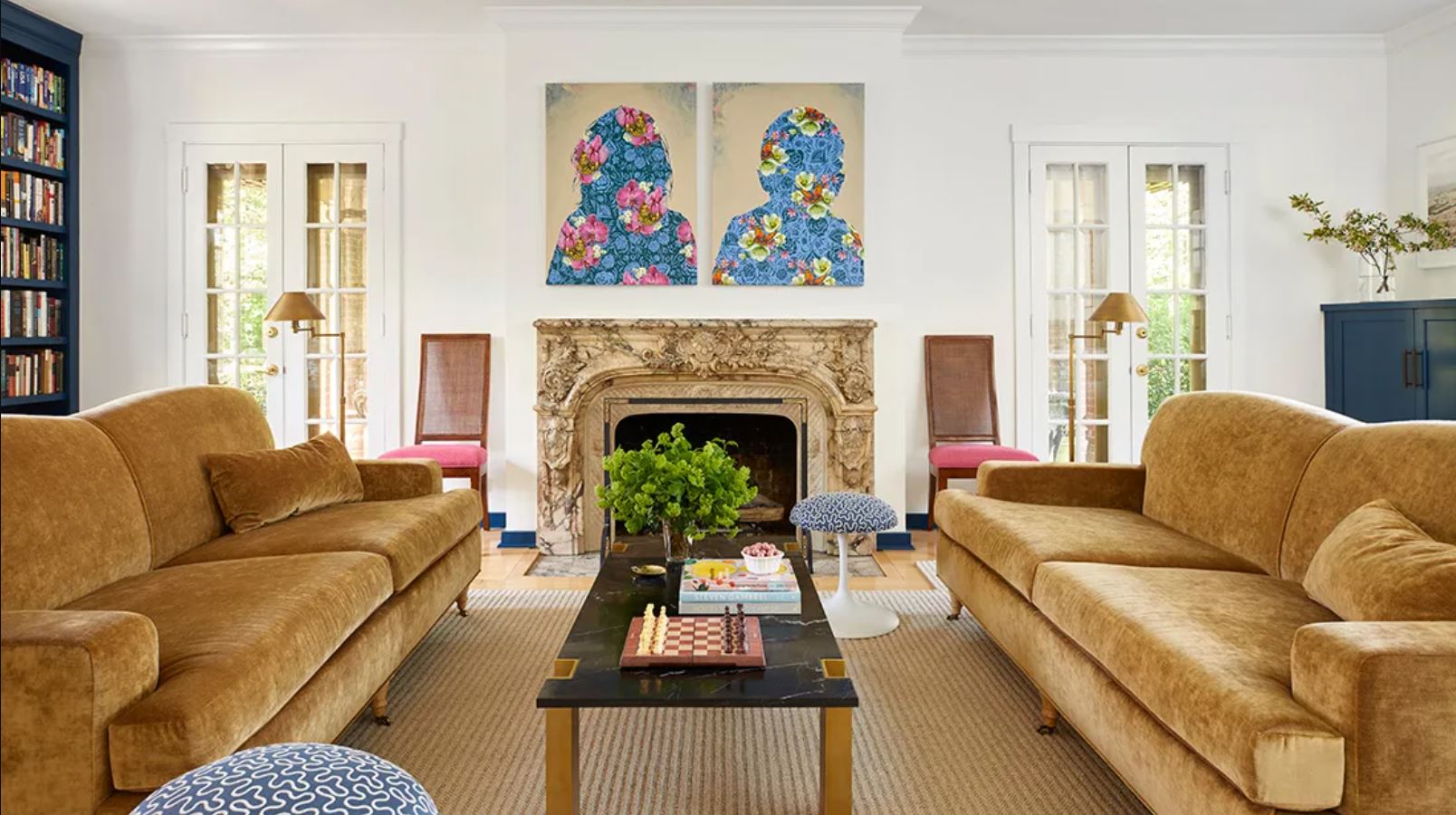
This week’s article is from our partners at Luxury Portfolio International sharing inspiration on how to layer mixed materials within your home.
Professionally designed spaces have depth and layers to them, each element adding its own touch while perfectly playing off of the others.
One of the tricks for putting together such a complex yet cohesive space is all about the mix of materials.
“Matte and shiny, textured and flat, patterned and plain: These contrasts make a space feel more dynamic,” said Colleen Simonds, a Pittsburgh, Pennsylvania-based interior designer.
“You need those elements in order to feel something when you walk into a room,” she said. “This is what makes a room feel alive and evoke emotion.”
Spice of life
Forgetting to consider the range of materials throughout a room can have unintended, but décor-devastating, consequences.
“When you have a space that doesn’t have the mix it can feel one-dimensional, flat and overall uninspired,” Ms. Simonds said. “You just feel bored.”
Using too much of the same good thing can also make a room appear a bit fake, like a carbon copy of page in a one-note design catalog: Think stark industrial, blindingly shiny contemporary, cabin in the woods, midcentury modern overload.
“Mixing things like industrial elements with clean, feminine lines helps a space feel balanced, not themed,” said Sarah Storms, founder of Styled by Storms in New Jersey. “When you mix elements, it makes a space feel considered and curated.”
Texture is key when it comes to adding to the material mix – a wood floor, wool rug, lacquered furniture, gleaming brass light fixture, soft linens and matte wallpaper all bring a different feel to the same space.


Design by Sarah Storms/Styled by Storms. Photo by Raquel Langworthy, courtesy of Styled by Storms
“Every interesting room is going to have some stone, wood, glass, metal, leather and fabric,” said Caroline Kopp, founder and principal of the Connecticut-based Caroline Kopp Interior Design.
“That can apply to pretty much any style or color palette, but this mix of elements is what brings interest to a room,” she said. “The more objects and surfaces in a space, the more you can mix different kinds of stones or metals or textiles.”
Textiles are important in not only adding a wide variety of textures all on their own, but in sewing all of the materials and layers of a room together.
“I love imagining an invisible thread that runs through the space,” Ms. Storms said. “For example, reupholstered antique dining chairs in a contemporary, textured jacquard in a mix of blues is a bit of a juxtaposition to the antique dining set, but it is also the element that makes it work within the space.”
To really kick it up a notch, a few unexpected or uncommon materials will do the trick.
“Unique materials create extra intrigue and individuality in your space,” Ms. Kopp said. “A super-unusual slab of marble on a wall, a glass-mosaic mural installation, a patterned wallpaper on the ceiling – things like this function as art in your space and give it that oomph and sense of daring you are not going to get from run-of-the-mill ‘safety’ materials.”
Stir it up
There are plenty of ways to be safe about mixing a variety of materials in a space, however.
First, think about how all of the interior ingredients interact with each other, and then make sure to add some of each flavor.
“A shiny, hard surface can feel colder versus a cozy surface that will feel warm,” Ms. Kopp said.
“The shiny surfaces will reflect light, as opposed to velvets or other textiles that will absorb it,” she said. “Mixing in the warm and the cold makes for a multi-dimensional feel.”
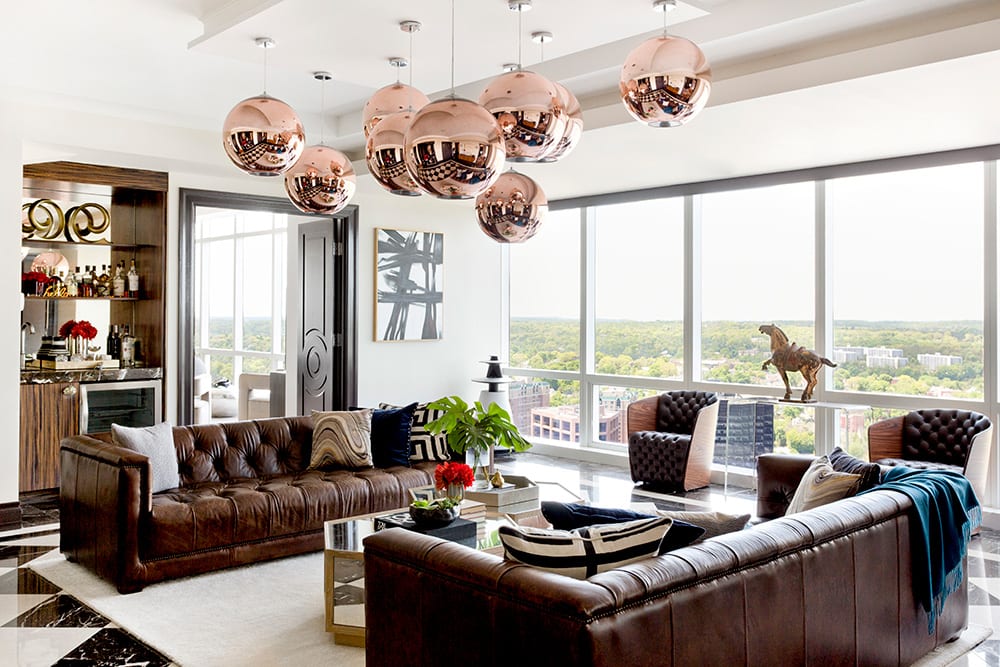
Design by Caroline Kopp/Caroline Kopp Interior Design. Photo by Rikki Snyder, courtesy of Caroline Kopp Interior Design
Also make sure that each finish, warm or cold, is repeated more than once so that the room feels cohesive rather than a single piece sticking out – Ms. Storms recommends using everything at least three times.
“This can be a mix of one statement piece, such as a hammered-copper sink, that you support with small, even tiny, other elements of copper,” Ms. Storms said. “This makes the mix feel intentional, not accidental.”
Another way to ensure a unified look is to choose items in the same color family for each element.
“This tonal look is found in fashion, yet translates to the home perfectly: Think leathers, specifically luggage-colored or saddle tones, mixed with a metal that has luster to it [such as brass],” Ms. Storms said.
A color can also be used to anchor the whole space, especially when there are a seemingly wild variety of other colors and patterns together.
“Mixing patterns and prints within a single room can provide an incredibly energetic space, but it also needs to be grounded,” Ms. Storms said. “Adding an anchoring color, such as black, in the textiles or metal can ground a space and keep it from [being] overwhelming.”
And never forget the classic wedding adage: “Make sure something is old,” Ms. Simonds said. “Everything cannot be new. If it’s all new, it will feel straight out of a catalog.”
Last, even if a room leans industrial or rustic or vintage, keep it luxurious by remembering to layer in some finer materials such as marble, natural fibers and polished metal.
“A beautiful, supple wool curtain over a concrete wall or a stunning, custom, leather ottoman in front of a steel-faced fireplace – those are successful mixes of rough with elegant that give you that luxe finished product,” Ms. Kopp said.
Mastering the mix, in general, lends a more high-end feel to any space.
“Mixing materials, when done well, brings a more luxe, curated sensibility to the home,” Ms. Storms said.
Don’t miss a post! Get the latest local guides and neighborhood news straight to your inbox!

Fun Décor and Functional Spaces Make a Luxe, Modern Beach Home
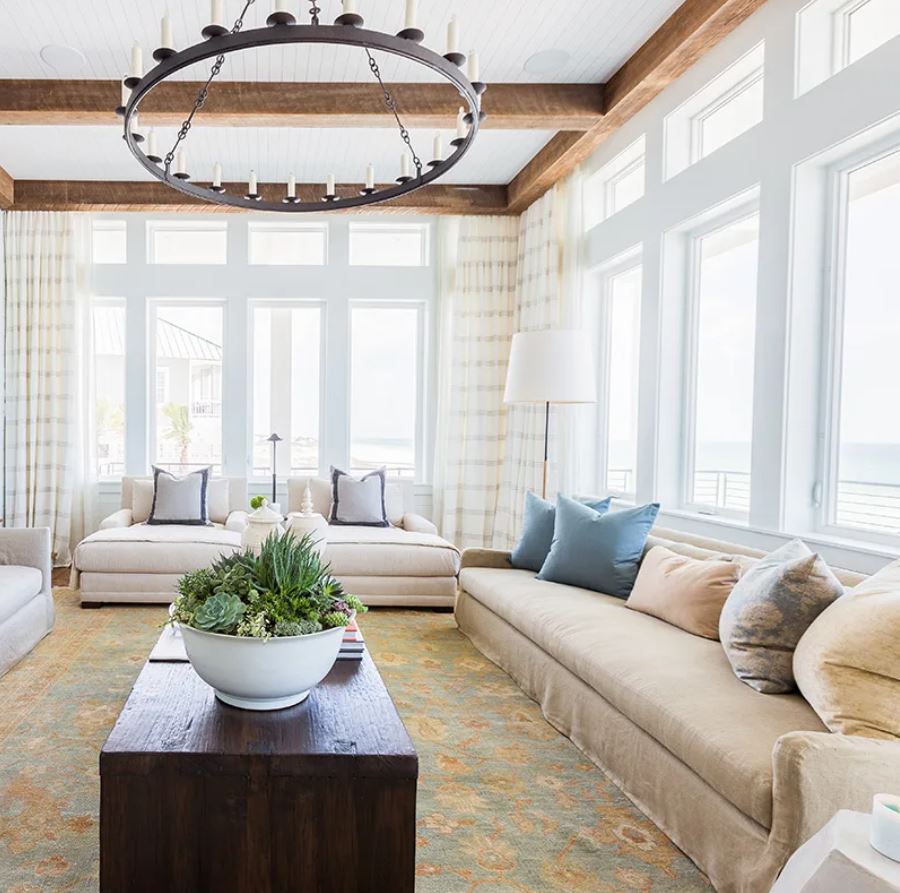
This week’s article is from our partners at Luxury Portfolio.
When it comes to the interiors of an oceanfront getaway, beachy décor can sometimes veer into seashell cliches and casual vibes that read messy.
Designers such as Chad James, principal of the Nashville-based Chad James Group, are creating next-level beach houses that, yes, nod to the nautical, but also up the luxe factor while remaining comfortable and personal family retreats.
“It has always been by goal to provide each project with its own uniqueness that is established by the location and the client’s own personal interests,” Mr. James, who designed the Florida beach house seen here for country music superstar Luke Bryan, said.
Beachy Keen
The starting point for most design is the property’s function, and that certainly differs between main residences and vacation homes.
“When designing multiple homes for our clients, it’s always important to understand the function and purpose of this location,” Mr. James said. “Establishing this allows us to create spaces that exclusively cater to their needs.”
Beach homes are generally meant for relaxation and spending quality time with the family, and the house itself needs to provide the perfect place to do so.
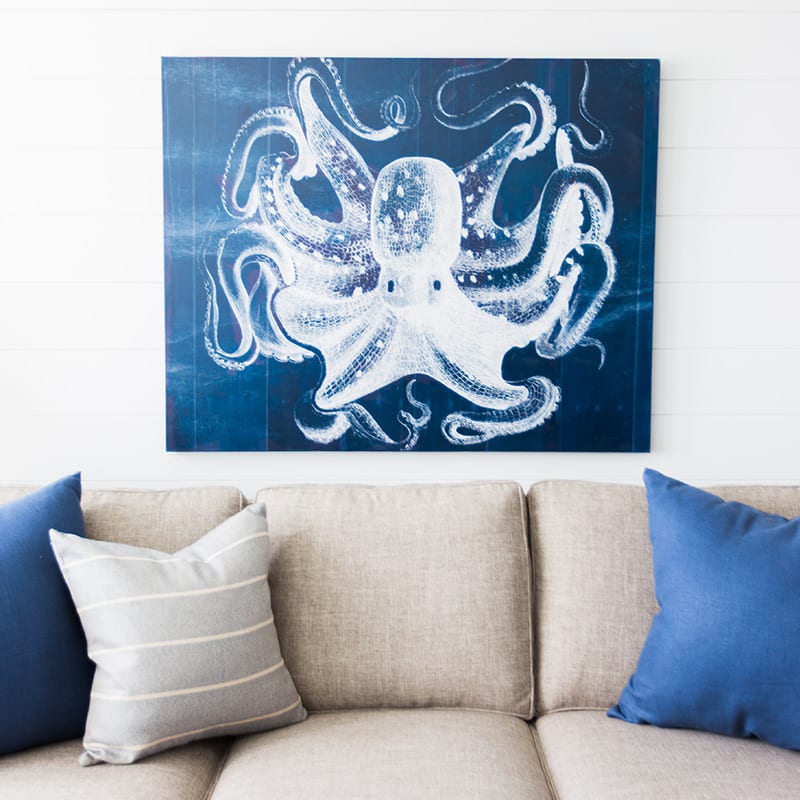

Design by Chad James Group. Photo by Alyssa Rosenheck
“Beach and coastal homes have their own set of rules, many of which are dictated by a sense of casual relaxation and having a place to gather and make lasting memories,” Mr. James said.
“This home was always intended to be a family retreat,” Mr. James said of the Bryan project, adding that his design focused on gathering spaces.
The outdoors are what beachfront living is all about, and the home provides plenty of room to spend time in the sea air.
And, the last thing a family wants to worry about on vacation is taking care of their beach house. Using easily cleaned, non-fussy materials that can withstand salty air, sun and sand allows for those tasks to be thrown out to sea.
“Vacation homes are just that—a place to vacation and cast your stress into the water,” Mr. James said. “We always make sure that fabrics, colors and materials are being used in a way where maintenance is as easy as possible.”
A casual, easy home does not have to give up luxurious surroundings, however.


Design by Chad James Group. Photo by Alyssa Rosenheck
“Just because a home is at the beach doesn’t mean that the luxury element should be forgotten,” Mr. James said. “We establish this through the backdrop of materials we use like marble, tile, special wood finishes and also the furnishings we include.”
On top of that, Mr. James utilizes his clients’ extensive art collections to personalize not just their main homes, but their vacation spaces as well.
Fun, modern beachy touches liven things up too.
In this home, Mr. James added cheeky sculptures, outdoor surfboard showers and vintage ship plaques to a classic blue-and-white color palette and comfy, family-friendly furniture.
The designer’s motto, “If it’s not fun, I’m not doing it,” can be found throughout this Florida beach home, and every Chad James Group project.
“Often those fun moments are more of an inside joke, reference or acknowledgment to something that only our clients will understand,” Mr. James said. “It’s always important to nod our head to the whimsical nature that lives inside of each of us.”
Don’t miss a post! Get the latest local guides and neighborhood news straight to your inbox!
When Watching HGTV Gives You The Sads
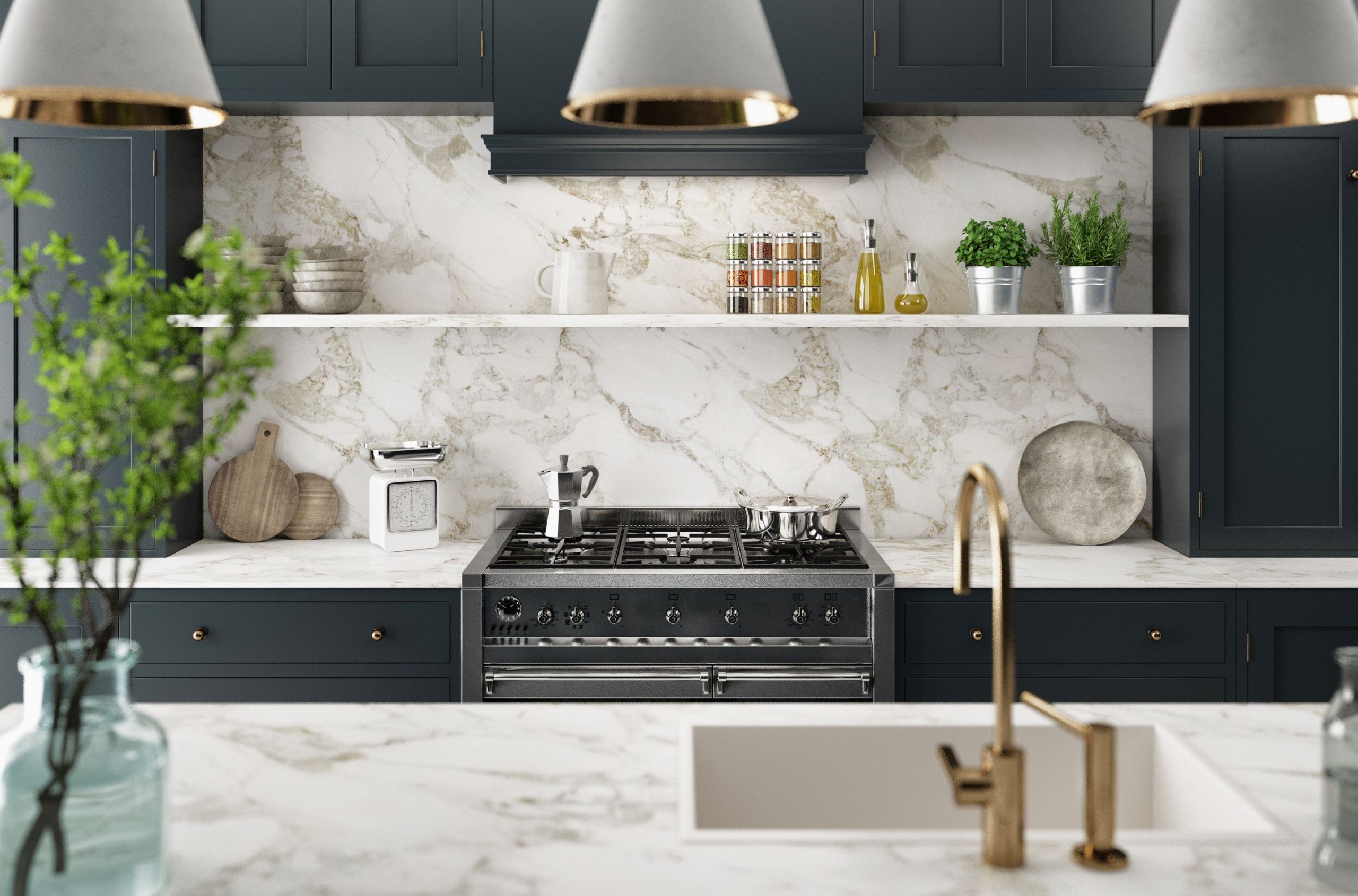
We know scrolling through social media can give users FOMO, but are you also worried about your home measuring up?
They say your home is your castle, but does watching HGTV or Bravo’s real estate reality shows have you worried it will be rated more as a dungeon than a showcase for your taste? Are you afraid of what it says to the world if you desire a serene Coastal Grandma vibe when vivacious Cluttercore is the hot new thing? And why can’t design critics just leave white kitchens and sliding farmhouse doors alone?!
If all this criticism has you worried about putting a foot wrong, you aren’t alone. According to a 2022 study by two researchers who studied a number of homeowners during renovation projects, the fear of not having “the perfect look” is pushing trends that favor a neutral, standardized style so that many homes resemble hotels or staged listings devoid of any personality.
The Washington Post recently dug into the report by Annetta Grant of Bucknell University and Jay M. Handleman of the Smith School of Business at Queen’s University in Kingston, Ontario, to find out why the way we decorate our homes is getting less personal and more homogenous, and how that’s negatively affecting the enjoyment of owning a place to call your own.
The researchers found that some homeowners are so afraid of making a design “mistake” that will hurt their home’s future resale value that they end up living in a “professionalization” style meant to appeal to a hypothetical “next owner” instead of making choices that would reflect their own taste. Grant calls this the “market-driven gaze” that leads owners to continually critique their home based on popular trends or an ideal of “perfection.”
When their home doesn’t match those expectations it results in unease or “dysplacement,” a sense that their home isn’t really theirs to enjoy but is instead meant to live up to the expectations of the current market or others.
So what’s an owner to do when they are torn between making smart design choices and cultivating their own sense of space? First, remember that lifestyle shows, magazines and social feeds are meant to be aspirational: they are not the only way to live. They are there to sell products, earn clicks, and generate ratings as entertainment, not mandatory templates on what must be done for a property to become a good home.
Second, unless you are in the immediate market to move, live in the home you WANT, not the one you want to SELL.
Realtors can help owners understand myriad attributes that can influence a home’s value that have nothing to do with paint color, lighting choices or window treatments (all of which are relatively easy to change and bring a good ROI). When you’re thinking about selling, an agent can share local comps about which projects are most likely to bring top dollar (additional bathrooms, remodeled kitchen, finished basement) and which are intriguing but not necessarily investment-worthy (dedicated pet baths, oversized closets, butane fireplace inserts, swimming pools).
Bottom line: create a home that you will enjoy living in for the life you lead now. If you’re in the market to sell in the next year or two and expect you’ll have some sprucing up to do, that’s when you can lean into some of the more popular trends that most buyers are expecting in a great listing.
Until then, enjoy your all-white kitchen with the farmhouse sink and open floorplan and don’t give a second thought to what HGTV producers would say if they turned up with cameras.
For more design trends and tips for getting your home show-ready, be sure to subscribe to The McEnearney Blog.
Don’t miss a post! Get the latest local guides and neighborhood news straight to your inbox!
How Top Designers Execute Cluttercore
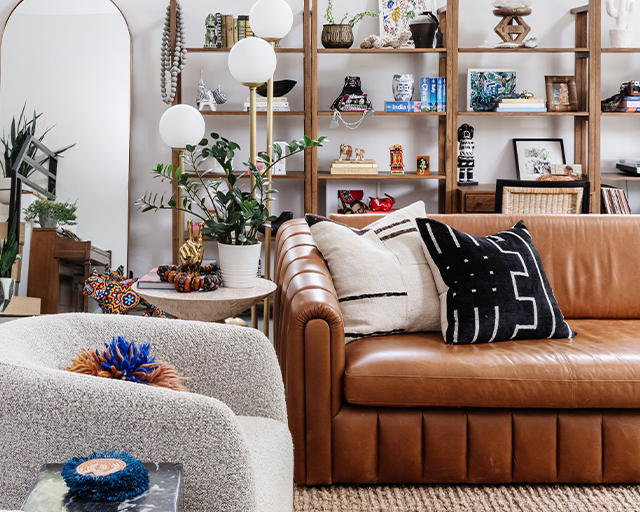
This week we would like to share inspiration from top designers who execute cluttercore, from our partners at The Scout Guide.
If paring down your wares seems impossible, your assemblage of gorgeous trinkets is bordering on excessive, or your art collection rivals that of small museums, you may be one step away from channeling the over-the-top interior trend known as cluttercore. A design style that embraces the ‘more is more’ mentality, the cluttercore aesthetic urges you to display all your cherished décor, knick-knacks and thingamajigs in a thoughtful, elevated way. Your grandma’s massive china collection? Cover the wall with it. Those colorful coffee table books? Stack them high. Not convinced? Let this round up of 10 fun and funky spaces by Scouted designers help inspire you to channel that maximalist aesthetic that lives within. Because why shouldn’t you fill your space with the things that bring you joy? To find a Scouted design expert near you, consult The Scout Guide Directory.

Styling by Frances Bailey. Photography by Robert Peterson.
Patterned perfection –
Designed by Cloth and Kind in Ann Arbor, Michigan. See the rest of the project here.

Photography by Madalyn Yates Creative.
Lean into layering –
Designed by Claude & Coy Interiors in Greensboro, North Carolina. See other projects here.

Photography by Sarah Rossi-Bell of Sélavie Photography.
Mix and match furniture styles –
Designed by Lindley Martens Design in Memphis, Tennessee. See the rest of the project here.

Photography by Mary Margaret Smith.
Perfectly placed mementos –
Designed by ALKMY in Mountain Brook, Alabama. See other projects here.

Photography by Laura Sumrak.
Highlight your favorite wares –
Designed by House of Nomad in Charlotte, North Carolina. See the rest of the project here.

Photography by Read McKendree.
Make mirror magic –
Designed by Jeremy D. Clark in Mountain Brook, Alabama. See the rest of the project here.

Photography by Douglas Friedman.
Gallery wall goals –
Designed by Ryan Street Architects in Dallas, Texas. See the rest of the project here.

Photography by Jessie Preza.
Bookcases that go beyond books –
Designed by Rachel Cannon Limited in Baton Rouge, Louisiana. See the rest of the project here.

Photography courtesy of Melissa Rufty.
Get funky with furniture –
Designed by Melissa Rufty Design Studio in New Orleans, Louisiana. See the rest of the project here.

Photography courtesy of Kirby Foster Hurd.
Opt for oversized –
Designed by Kirby Home Designs in Oklahoma City, Oklahoma. See other projects here.
Cloth and Kind appears in The Scout Guide Ann Arbor. Claude & Coy Interiors appears in The Scout Guide Triad. Lindley Martens Design appears in The Scout Guide Memphis. ALKMY appears in The Scout Guide Birmingham. House of Nomad appears in The Scout Guide Charlotte. Jeremy D. Clark appears in The Scout Guide Birmingham. Ryan Street Architects appears in The Scout Guide Dallas. Rachel Cannon Limited appears in The Scout Guide Baton Rouge. Melissa Rufty Design Studio appears in The Scout Guide New Orleans. Kirby Home Designs appears in The Scout Guide Oklahoma City.
Don’t miss a post! Get the latest local guides and neighborhood news straight to your inbox!
Should You Choose a Smokeless Fire Pit for Your Yard?
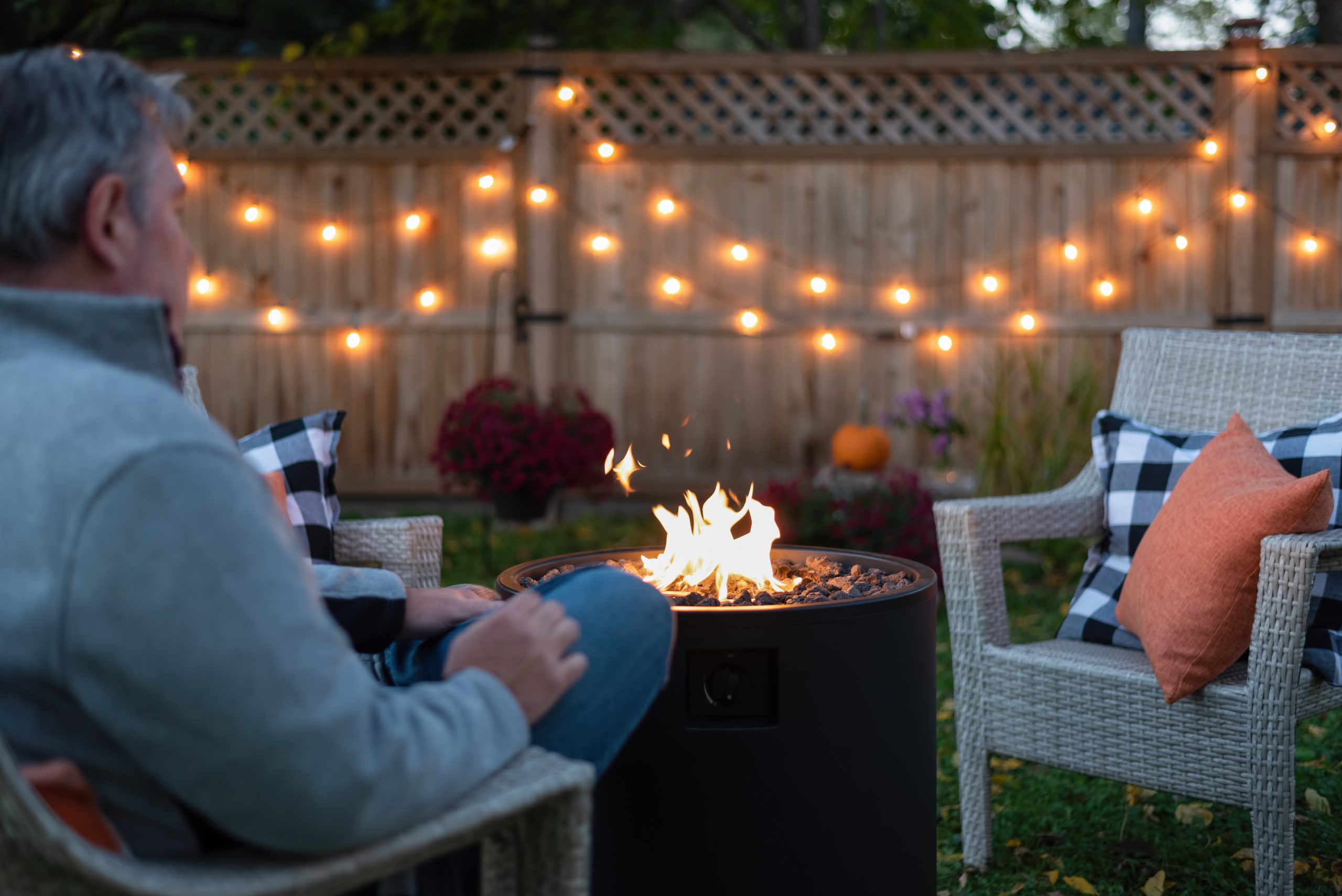
Fire pits have become an increasingly popular outdoor element over the past decade. It’s not surprising. With so many folks maximizing their indoor and outdoor square footage the past few years, a fire pit allows your outdoor space to be used year-round with family and friends.
However, you can probably guess the biggest drawback of a fire pit: All that smoke! Not only can a fire pit emit smoke as you use it, but the smoke smell embeds itself into your hair, clothes, and outdoor furniture.
That is why smokeless fire pits are growing in popularity!
What are the benefits of a smokeless fire pit?

The most obvious benefit of buying a smokeless fire pit is the limited amount of smoke that the fire produces. How does it all work?
A smokeless fire pit contains a double wall and secondary combustion system, which includes vent holes. Exterior holes near the base push air directly to the fire to feed the flame and keep it hot. The design of the vent holes simultaneously direct air up so the smoke actually burns off before it leaves the top of the pit.
Smokeless fire pits can burn wood, charcoal, logs, or pellets with minimal smoke. Propane fire pits do not emit any smoke.
Is a smokeless fire pit right for your home? Check out the benefits of choosing this option over a conventional fire pit.
-
It’s portable.
-
It’s easier to clean.
-
It’s better for the environment because it produces less pollution.
-
You can still roast your favorite treats like marshmallows and hot dogs.
-
It burns better in windy conditions.
-
Safer! They don’t produce smoke and ash, so they are better for folks with allergies or smoke sensitivities.
-
Less smoke smell on your clothes, hair, and outdoor furniture.
-
Buy and burn less fuel.
Are there any downsides to going smokeless? Smokeless fire pit models on the market can be pricer than traditional models. If you tend to DIY, building a safe fire pit in your yard is easier than trying to create a smokeless system yourself. Finally, there are many more design options for a conventional fire pit.
All in all, I anticipate that smokeless fire pit options will continue to increase as the demand grows.
How do you design a yard with a fire pit?

As you know from my project photos, I LOVE designing an outdoor space with a fire pit (sometimes more than one!).
Fire pits create a warm and inviting atmosphere, and they provide actual heat to outdoor rooms. They allow you to use your backyard more and for longer during the year. It’s critical that you check every applicable regulation for your home (city ordinances for outdoor fires, homeowners’ association rules, etc.) before buying or building a fire pit. Choose a location away from trees, buildings, and anything else flammable. Don’t let the fire pit stick out like a sore thumb; rather, incorporate it into your yard design or update your yard design around this focal point by adding garden spaces, sitting areas, and walkways to that outdoor room.
All in all, fire pits are a highlight in many backyards. They are a fantastic way to gather and connect, and they add fun and function to your outdoor space. If you are interested in learning more about making your backyard more event- and winter-friendly with a fire pit, give me a call!

Pragya Mishra is the Founder and Principal of Artscapes, LLC, a Northern Virginia-based landscape architecture firm that specializes in designing outdoor transformations that bring you joy. With 22 years of professional experience, she works closely with each client and her network of top-tier contractors to make each project vision a reality. Follow Artscapes on Instagram @artscapes_living and see examples of past projects on her website, www.artscapesliving.com.
Take a look at our website for all of our listings available throughout Washington, D.C., Maryland, and Virginia.
Don’t miss a post! Get the latest local guides and neighborhood news straight to your inbox!
Getting Beachy At Home
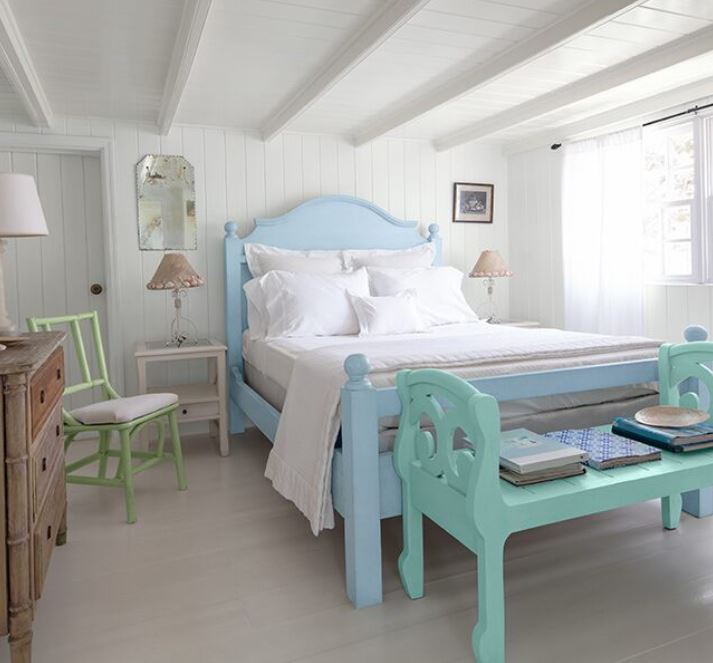
If you love the idea of adding a beachy touch to your everyday space or summer house but are worried about your decor looking too cheesy or kitschy, you’ve come to the right place. Note that there are many stylish decorative items on the market that incorporate shells, surfboards, and other beach-themed motifs that happen to look quite chic. Below are a few of our favorites.
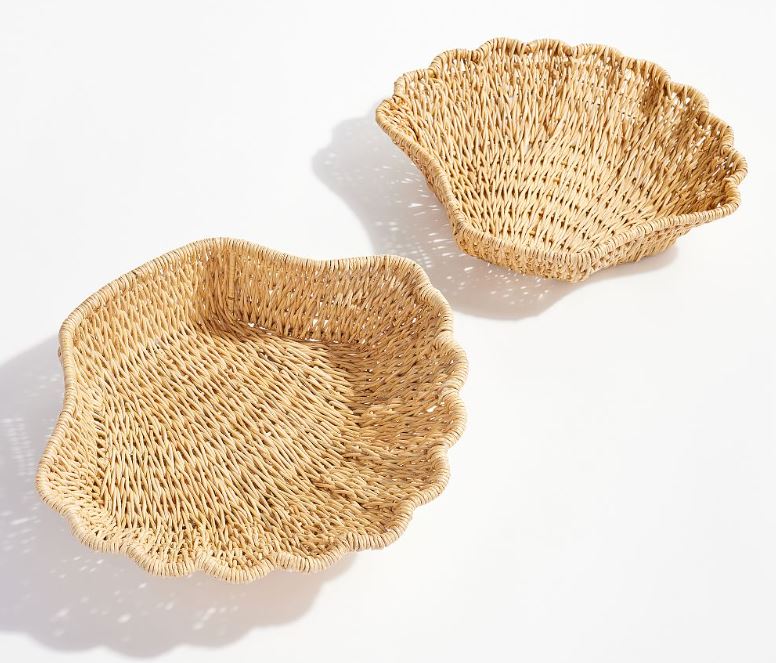
Shell Shaped Handwoven Rattan Bowls
How cute are these shell shaped decorative bowls? We can’t get enough of the rattan material and could see them looking stunning on a coffee table or dresser top. You can even use them as napkin holders while entertaining; just place some shell-printed paper napkins inside.
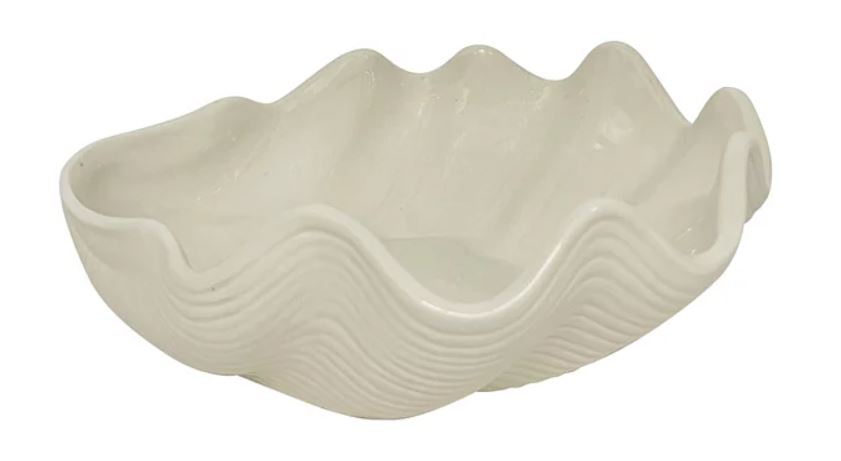
Shell Catchall
If you’re looking for a piece that’s ultra budget friendly, we’re loving this white shell-shaped catchall that will pack a punch anywhere it’s placed. It makes for an excellent jewelry holder on the nightstand or could also house small lotions, hair essentials, and lip balms in the bathroom. It would also shine on open shelving sitting atop a stack of books.
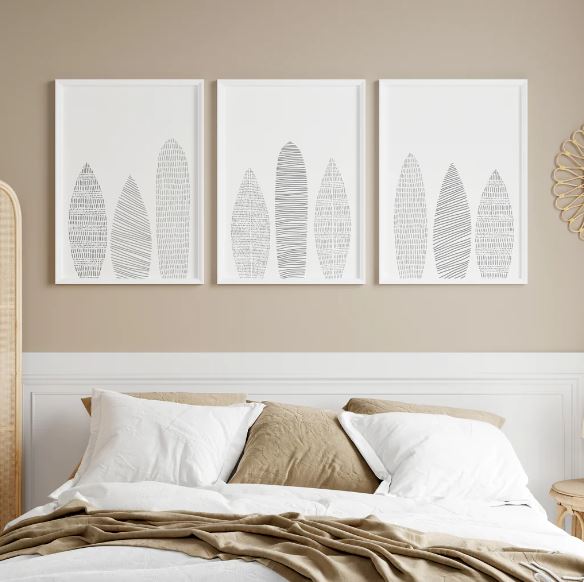
Surfboard Collection Art Prints
It’s more than ok if you don’t want to go all in and hang a surfboard on the wall. This framed collection of prints is the next best thing—festive yet more subtle. The black and white hues will look excellent in any room of the home.

Palm Tree Floor Lamp
Though it’s certainly an investment piece, this palm tree-shaped rattan floor lamp sure is a showstopper and will add a sculpture touch to any room. After all, why settle for a plain light fixture when you can decorate with one that doubles as art? Kids and adults alike will appreciate this eye-catching, cheerful piece.
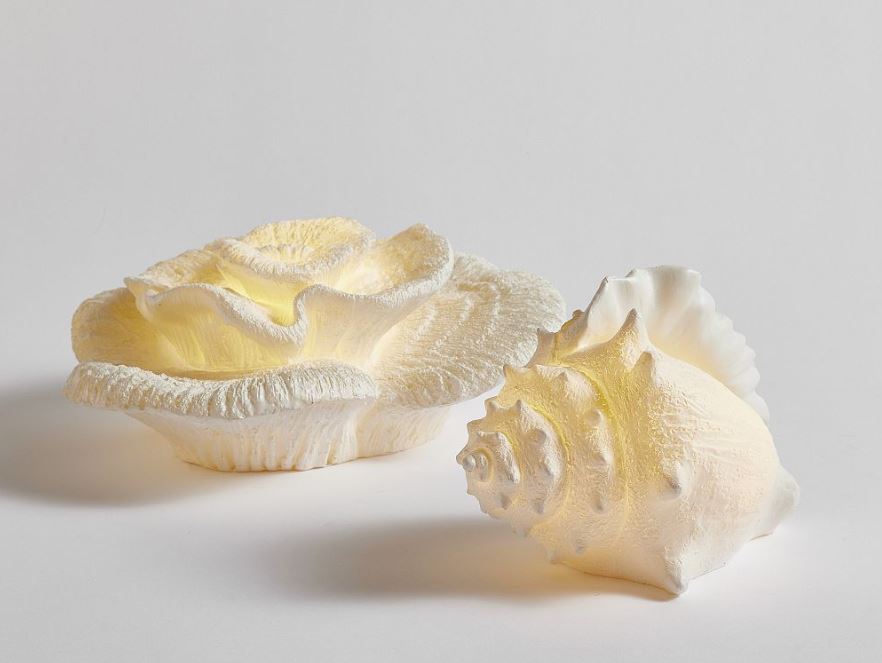
Lit Coastal Objects
Speaking of lighting, how neat are these lit shell objects that you can display on a table, dresser, or mantel? They even would look fantastic outdoors. Part nightlight, part trinket, they’ll make spending time on the porch after sunset feel even more enjoyable.

Beach Starfish Garland
Who doesn’t love starfish? This festive garland would look great on the mantel in your living room during the summer months. Choose from various length and color options depending on your décor needs and style.
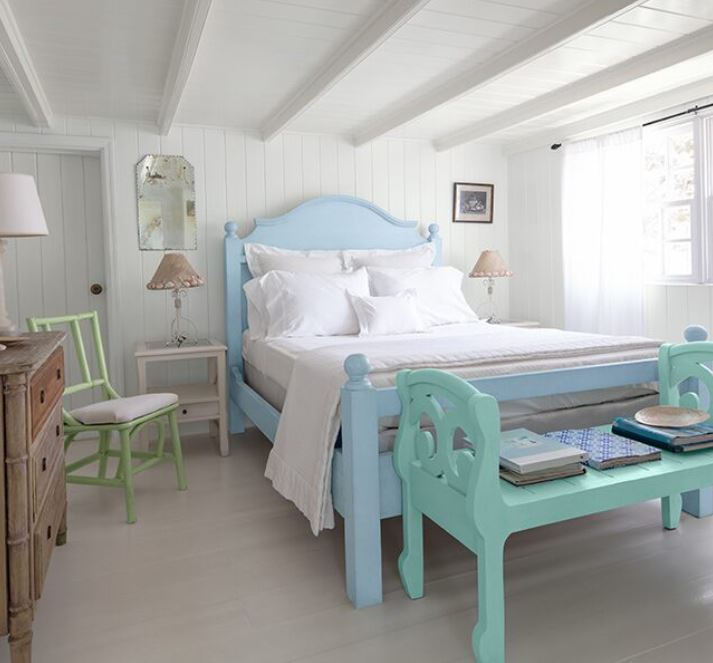
Beachy Paint Colors
Now that you’ve scoped out your décor, let’s talk paint colors. There are so many wonderful beachy paint colors to use throughout your space. Below are a few of our top picks.
- Benjamin Moore has put together an amazing coastal inspired paint color palette featuring a number of soothing hues, which range from sunny yellows to calming blues. Whether you’re looking to transform the kitchen, powder room, primary bedroom, or another space entirely, you’ll want to take a look at this paint guide to determine which shades best speak to you.
- Claire Paint, a Black and woman-owned brand, has risen in popularity in recent years and offers a wide selection of paint colors, many of which are excellent for beachy spaces. Take a look at the brand’s various swatch kits to get a sense of all that you can choose from: In this instance, we recommend focusing on the Whites & Lights, Sunset Shades, and Best of the Blues.
- Finally, take a look through Sherwin-Williams’s coastal cool hues. Featuring blues, greens, and beyond. These colors will immediately put you at ease and are all inspired by coastal environments.

Sarah Lyon is a New York City-based freelance writer, originally from Bethesda, MD. She contributes to a number of national design and lifestyle publications like Architectural Digest, Apartment Therapy, MyDomaine, the Washington Post, and more. Sarah also works with designers to help them style spaces for photo shoots. Find more shelfies on her Instagram page, @sarahlyon9
Don’t miss a post! Get the latest local guides and neighborhood news straight to your inbox!
Get Your Gardening on With These Local Suppliers
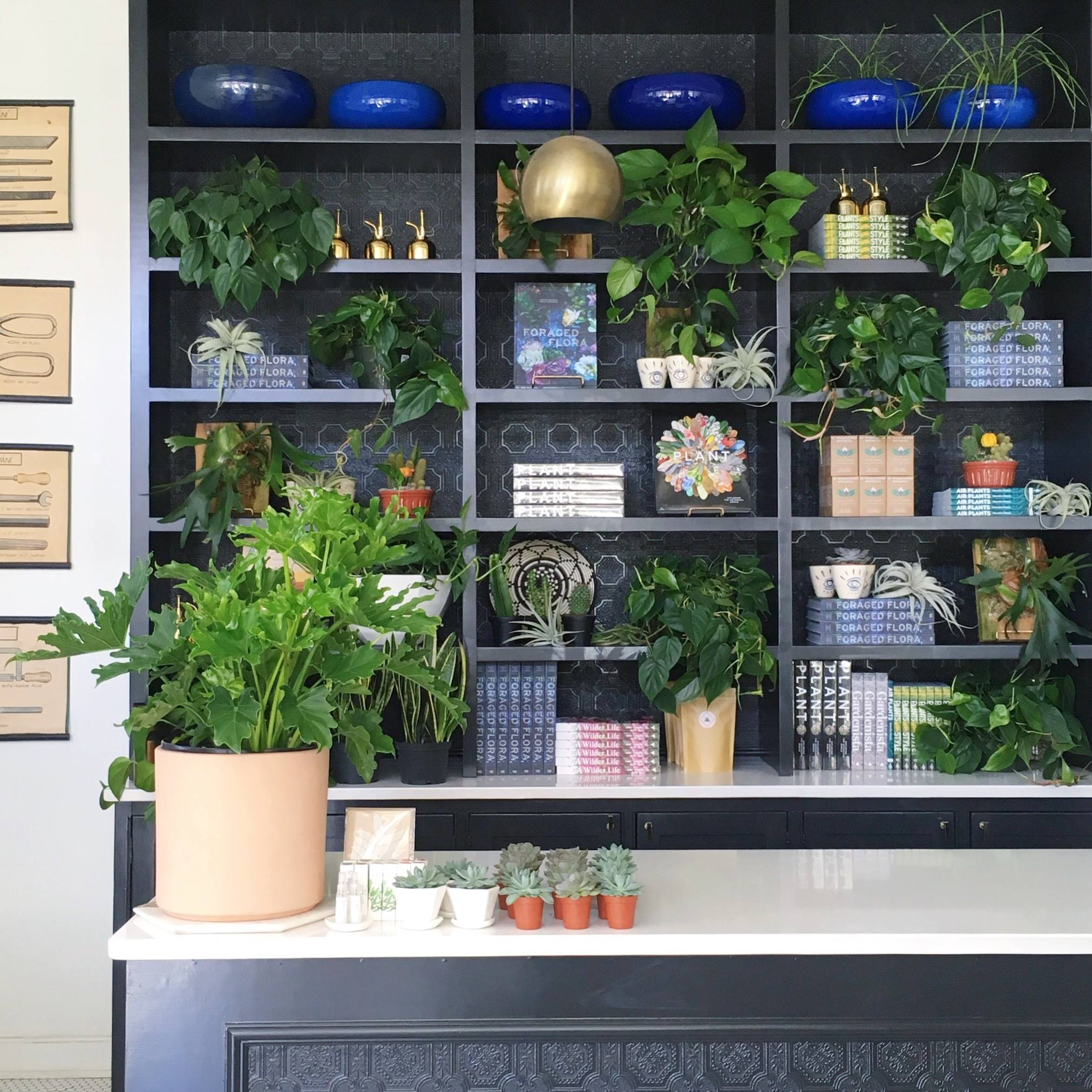
Spring is officially here, and that means that gardening season is officially in session. If you’re looking to spruce up your yard this season and need to restock your supplies, don’t forget to check out the local DMV area retailers below. Whether you’re looking to build up your collection of pots and planters or are just looking for a thoughtful gift to surprise the avid gardener in your life, we’ve got you covered.
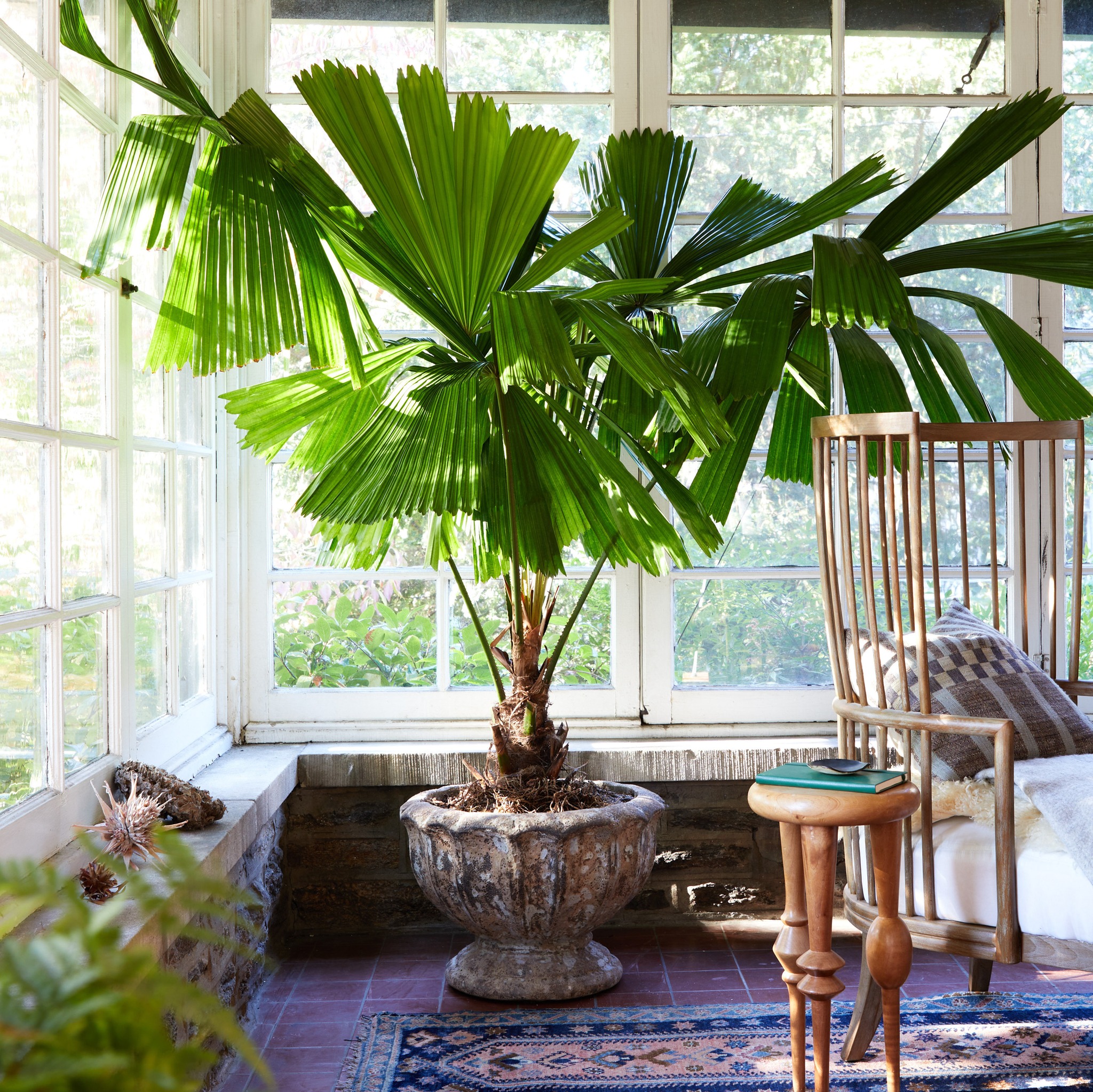
Terrain: Terrain is Anthropologie’s sister store and is a gardener’s paradise. While Terrain has an expansive website, there are actually only a handful of brick and mortar Terrain locations scattered around the country, and we’re fortunate enough to have one nearby in downtown Bethesda. Terrain is an excellent place to visit if you’re looking for cute plant pots, watering cans, gardening gloves, potting soil, and so much more.
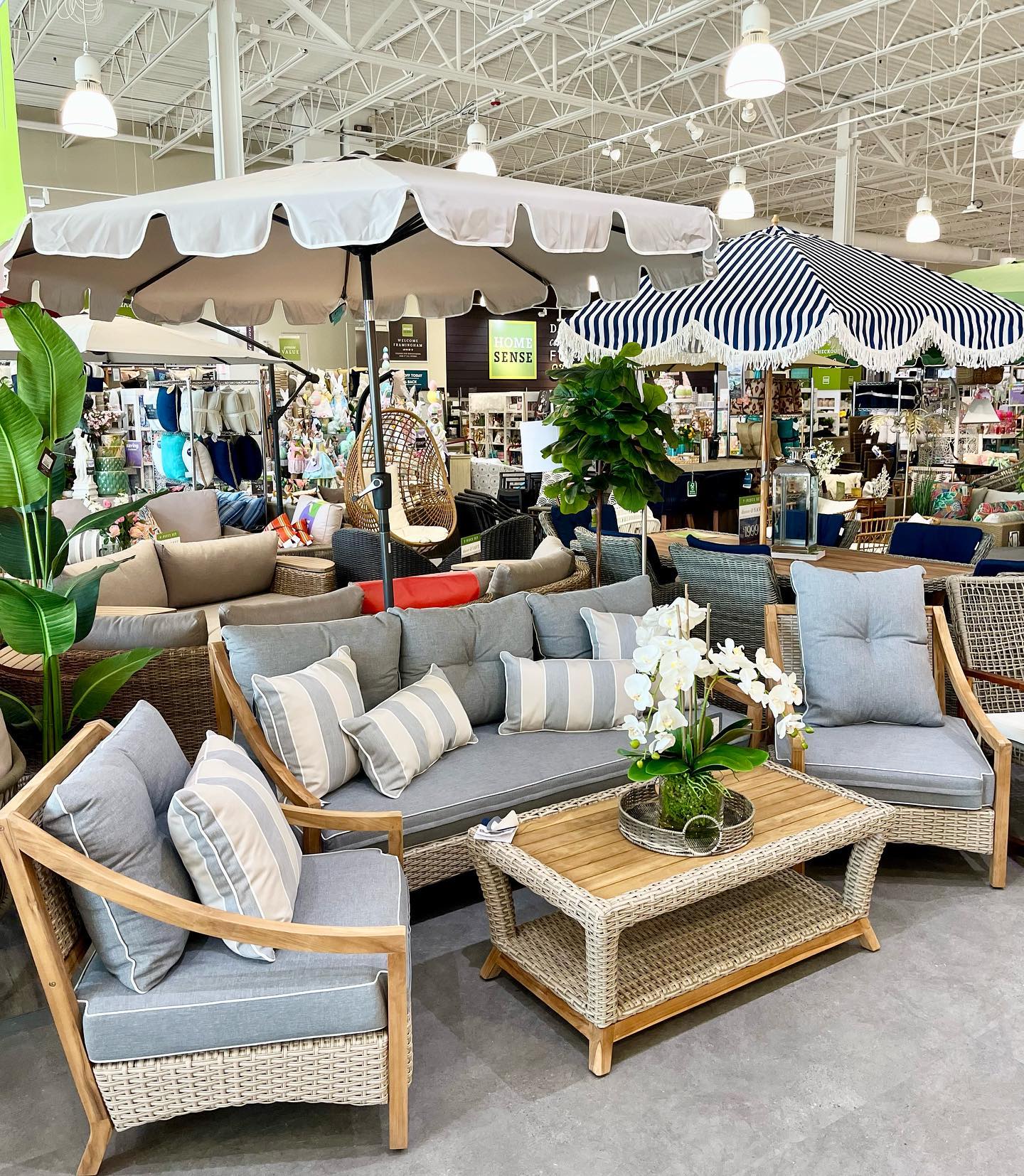
HomeSense: HomeSense, which is a sister store of HomeGoods, is relatively new on Rockville Pike and is a wonderful place to stock up on budget-friendly gardening supplies. Whether you’re in need of oversized plant pots, backyard furniture, patio accents, and the like, you’ll definitely want to add this shop into your rotation.
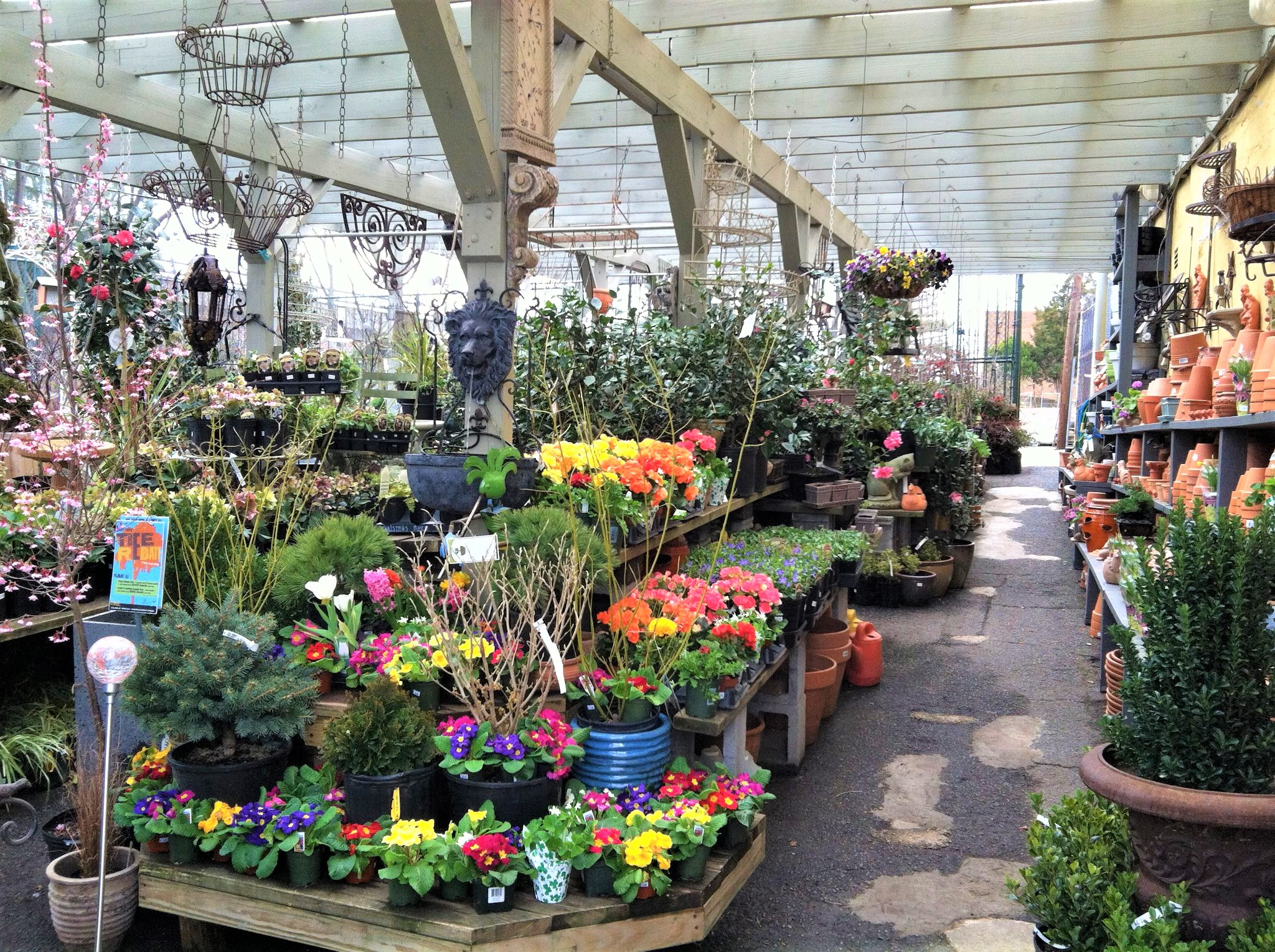
Gingko Gardens: Gingko Gardens in Southeast DC is one of our favorite places to purchase plants and accessories of all kinds. If you’re looking for a bit of help from a pro, note that you can work with the store team on a custom landscape design and can also hire Gingko’s horticulturists, designers, and installation crews to fully bring your vision to life.
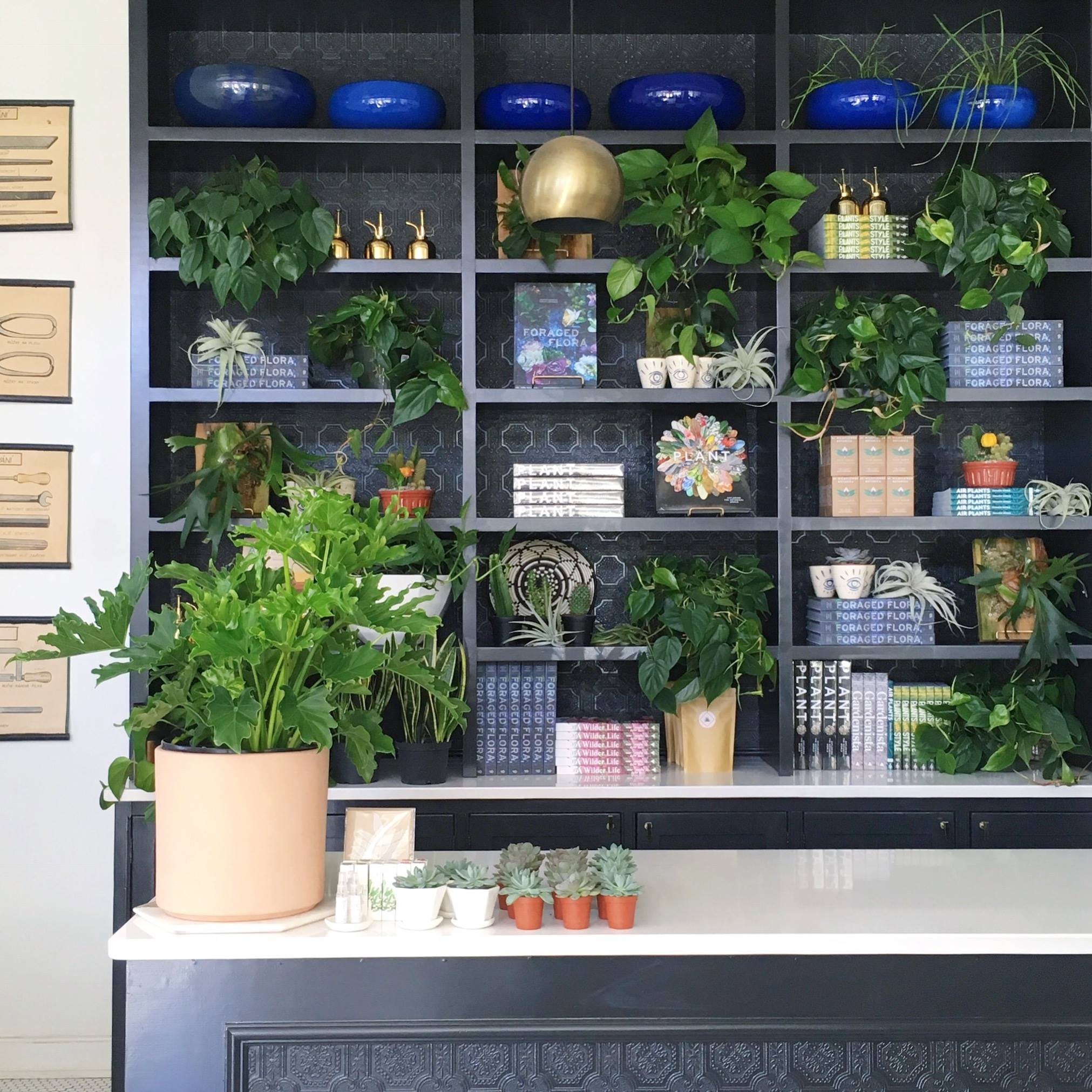
Little Leaf Shop: For those looking to shop small, don’t forget to stop into Little Leaf in Northwest DC, where you can purchase beautiful plant pots, bags of potting mix, shears and more. And if you’re looking to introduce some green friends into your indoor space, too, this is an excellent place to purchase houseplants.
Sarah Lyon is a New York City-based freelance writer, originally from Bethesda, MD. She contributes to a number of national design and lifestyle publications like Architectural Digest, Apartment Therapy, MyDomaine, the Washington Post, and more. Sarah also works with designers to help them style spaces for photo shoots. Find more shelfies on her Instagram page, @sarahlyon9
Don’t miss a post! Get the latest local guides and neighborhood news straight to your inbox!
A Restful Weekend at the Inn at Little Washington

Looking to take a luxe weekend trip that will make you feel refreshed and charmed without having to travel far? You may wish to plan a visit to The Inn at Little Washington!
The Inn was founded in 1978 and is located in Washington, Virginia, just an hour and a half from Washington, D.C. Boasting 23 rooms, the Inn is intimate in nature yet extremely spacious and vibrant. Pack your weekender bag and cruise down I-66 while preparing your taste buds for a true culinary treat. The Inn at Little Washington’s restaurant boasts three Michelin stars, meaning you’ll want to arrive hungry and ready to enjoy a sumptuous meal prepared by chef Patrick O’Connell.
Dinner at the Inn at Little Washington has somewhat of a theatrical element to it—if you order the cheese service, for example, you can expect to be humored by “cheesy” puns of all kinds. Every course is artfully prepared, and guests can choose to enjoy a vegetarian tasting menu option if they wish.
Of course, you won’t want to miss out on Patty O’s Cafe and Bakery, either. Located right on property, this restaurant is another one of O’Connell’s projects and is just a couple of years old. Stop by to enjoy some French onion soup, a hearty burger, a colorful salad, and much more, and don’t forget to pick up some pastries from the to go shop for the road—you’ll thank yourself later!
If you’re a design buff, you’ll enjoy admiring the Inn’s beautiful interiors, which are filled with pattern and color galore. Each room of the Inn is worth admiring—be sure to take plenty of photos so that you can draw upon them for inspiration when you return home and need to tackle a redecorating project or two.
The Inn is open for guests year round every evening except for Tuesdays. Whether you’re in the market for a special anniversary trip, are looking for a unique way to celebrate a milestone birthday, or are just looking to enjoy some R&R, you won’t want to miss out on this gem, which is revered worldwide but happens to be right in our backyard!
Sarah Lyon is a New York City-based freelance writer, originally from Bethesda, MD. She contributes to a number of national design and lifestyle publications like Architectural Digest, Apartment Therapy, MyDomaine, the Washington Post, and more. Sarah also works with designers to help them style spaces for photo shoots. Find more shelfies on her Instagram page, @sarahlyon9
Don’t miss a post! Get the latest local guides and neighborhood news straight to your inbox!
Still Not Finding Joy In Your Backyard?
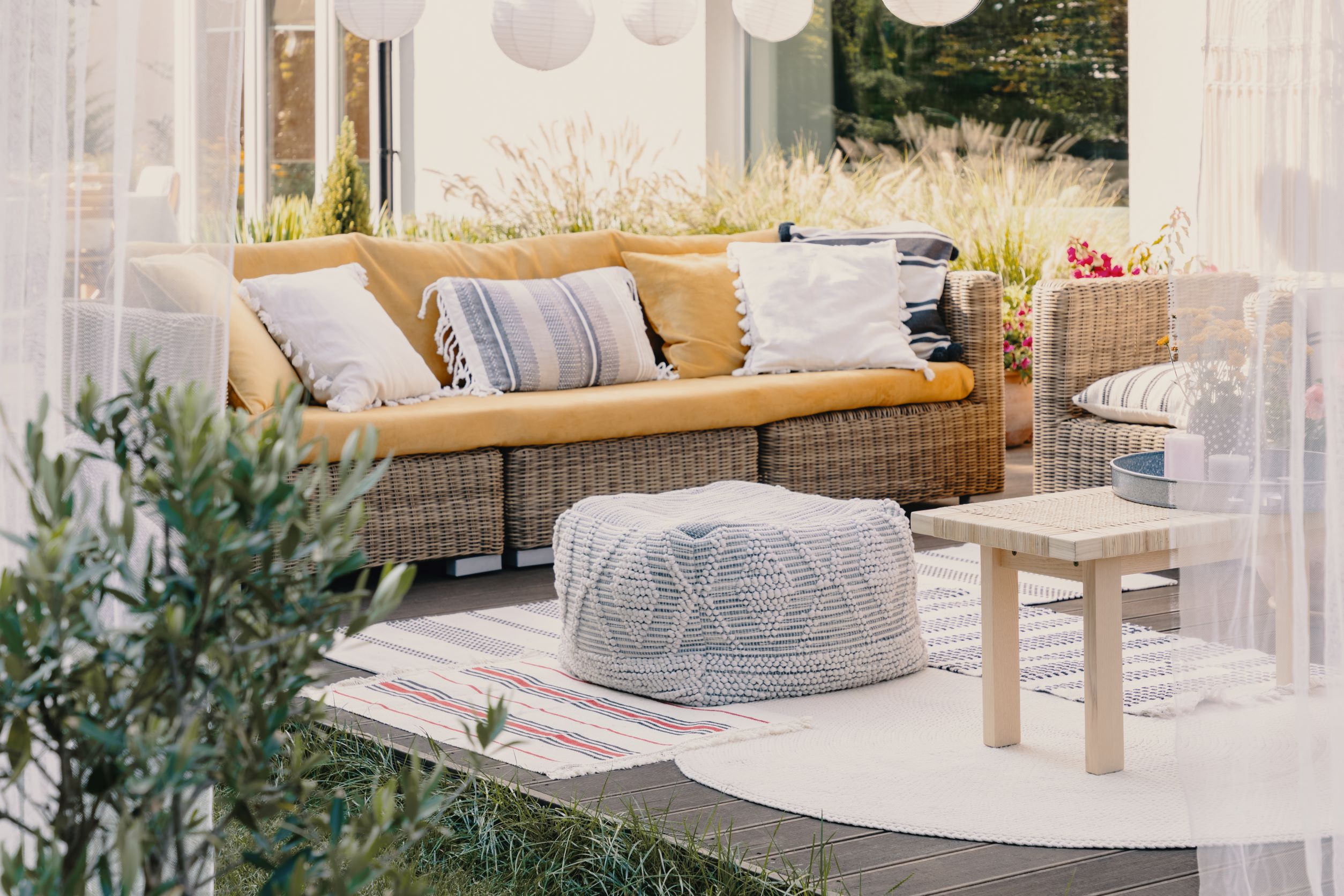
Unseasonably warm weather means many of us are spending more time outside (yay!) and, possibly, planning get-togethers and holidays for the Spring and Summer.
As a host, you want a functional and inviting outdoor space to entertain your guests of all ages, with places to sit and congregate and cook and eat and play.
When designing for clients, we start with these desires. We want to know how we can create joy in your outdoor spaces. From there, I design and we build outdoor rooms that are functional and that flow together into one cohesive yard.
Are you getting the most out of your outdoor space right now? If not, these prompts can help you craft a plan to upgrade your yard this year.
- How do I want to use this space?
- What do I need to add to make that possible? Think of equipment, furniture, lights, cooking or heating elements, electronics, grass, wildlife feeders, etc.
- Where in my space can I build each room/element to accommodate those needs?
- How will I connect all of the different spaces? In other words, what design elements will I have throughout the space (such as brick around garden beds or grey stone walkways).
- What safety measures, permits, etc. do I need to consider?
- When do I need this done?
From there you prioritize your “wants,” list out the materials and equipment you need, schedule your phases, then get started!
I realize not everyone has as much fun doing this work as I do, so if you’d like to outsource the planning, designing, and installing give me a call.
Last year, I had so much fun reimagining and redesigning this backyard and front yard. They had the square footage – our task was optimizing it so they could entertain with ease…and with joy. Learn more about that project on my website!
I hope these ideas inspire you to refresh your outdoor spaces, no matter your budget! Have a happy New Year.
Pragya Mishra is the Founder and Principal of Artscapes, LLC, a Northern Virginia-based landscape architecture firm that specializes in designing outdoor transformations that bring you joy. With 22 years of professional experience, she works closely with each client and her network of top-tier contractors to make each project vision a reality. Follow Artscapes on Instagram @artscapes_living and see examples of past projects on her website, www.artscapesliving.com.
Take a look at our website for all of our listings available throughout Washington, D.C., Maryland, and Virginia.
Don’t miss a post! Get the latest local guides and neighborhood news straight to your inbox!
Creating a Heart-Healthy Home
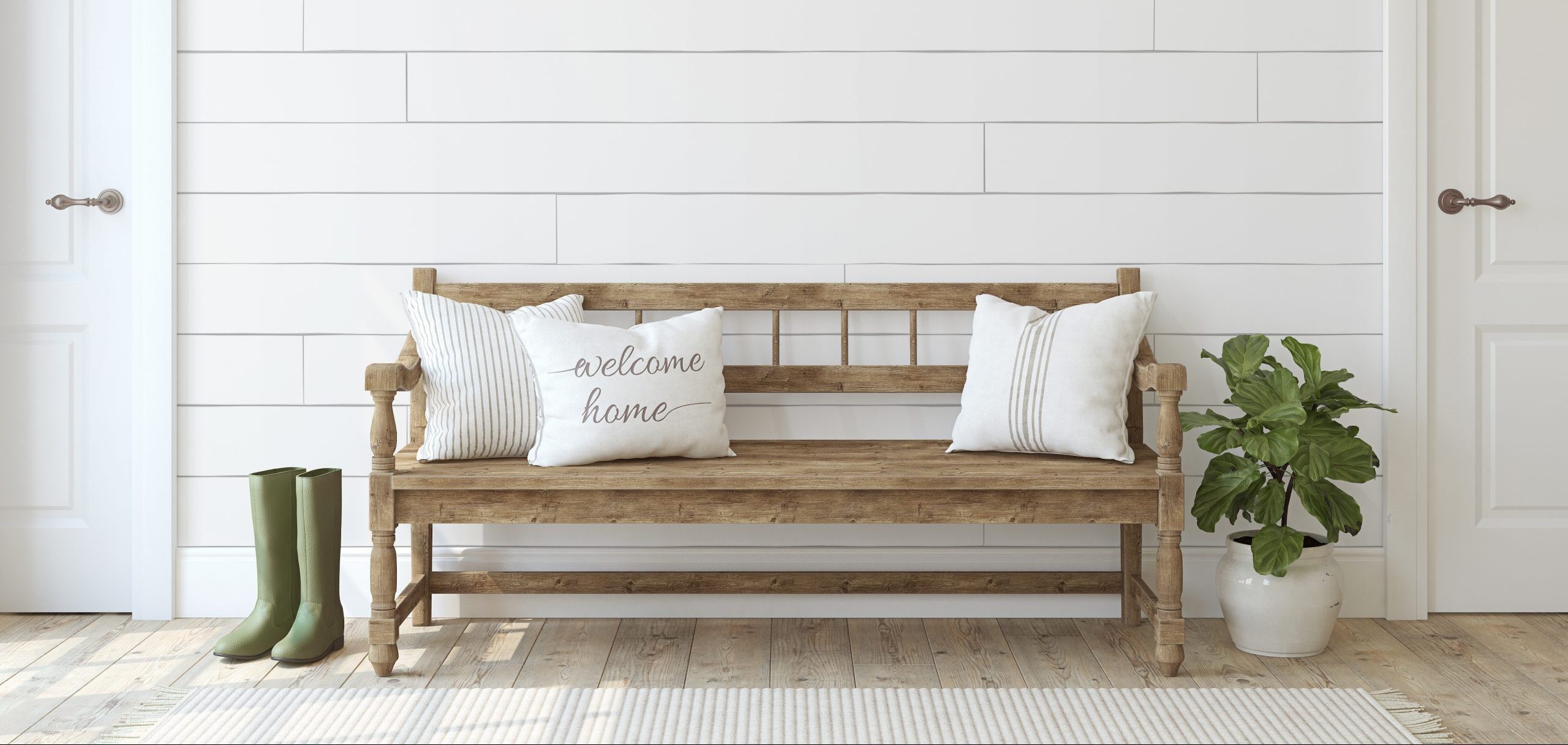
Valentine’s Day may have come and gone but keeping your heart a’flutter with a healthy home is something we can love at any time of year.
We all know what contributes to a healthy lifestyle – eating a balanced diet, getting enough sleep, regular exercise, eliminating or reducing alcohol and tobacco. What we may need a brush-up on are the ways we can help ourselves by keeping our home on the wellness track too. A Healthy Home definitely equals a Healthier You in ways you might not have expected.
As we head into the “Spring Cleaning Season” it’s the perfect time to make sure your healthy choices are paying off in your home as well. Keeping up with these few routine tasks will go a long way in protecting both your home and your health.
The Kitchen – This area is often called “The Heart of the Home” so it’s a great place to start your Home Health Assessment.
- Ensure all appliances are safely installed and that there are no leaks or faulty gas, water or electrical hook-ups.
- Gas appliances have been in the news over reports that dangerous chemicals and emissions – specifically methane and nitrogen dioxide, a pollutant linked to childhood asthma and other respiratory problems – are affecting consumers inside their homes. If you use a gas stove ensure you have proper ventilation either with nearby windows or an effective vent hood.
- Volatile Organic Compounds (VOCs) are gas emissions from products like cleaning supplies, paint, furnishings and carpets and long-term exposure can cause respiratory and other health issues. If you can’t avoid purchasing items with harmful chemicals or ingredients, reduce your risk by purchasing items with the smallest packaging available to reduce leftover supplies that can accumulate fumes.
- Water and overcleaning can corrode gas lines so ensure connections are clear and call in utility experts to check if you suspect leaks. Washington Gas Emergency number is 800-752-7520 and homeowners can call 811/Miss Utility if they need to do any work around known or suspected utility lines.
- Keep those dishtowels and sponges clean! These – and your sink drain – are probably the items that get the most cross-contamination in the home and scientists have found 360+ species of bacteria that can survive in a kitchen sponge.
The Living Spaces – These are the places where we gather with our families, our friends, our pets… and all that they bring with them! A few places to keep at the top of your checklist for routine maintenance.
- Filters, filters, filters. Keep the air you breathe in your home free of pollutants, pet dander and allergens by changing your HVAC filters at least once a season and invest in additional filters to combat other irritants and limit spread of germs and viruses.
- Carbon Monoxide can be emitted from gas appliances like stoves and water heaters and accumulation of the gas indoors can be deadly to humans and animals. It is colorless and odorless and can incapacitate residents before they realize they’ve been affected. Carbon Monoxide detectors cost about $20-$30 each, are recommended on each floor of a house including the basement and garage, and should be within 10 feet of any bedroom.
- Keep indoor humidity levels between 30-50%, the range that the EPA considers best. Humidity levels that are too low can cause breathing and sinus issues and dry skin, while high humidity can concentrate allergens and exacerbate mold and mildew growth and lead to respiratory issues. Abnormal humidity can also stress furniture, building materials and structural supports, especially those made of wood.
- Warning: this report on what’s lurking in your old mattress might cause nightmares. Save yourself sleepless nights and make sure you’re using proper mattress hygiene.
- Lead-based paint was a common feature of homes built prior to 1978 and it’s not uncommon to find remnants of this paint in windowsills and doorways in older homes. If ingested it can cause a multitude of health problems, especially for children, so it’s important to ensure safe encapsulation (such as by painting over it) or proper removal from the home. This Old House has a quick tutorial on the process with one of their experts.
- Bring in greenery like plants or window gardens for up-close-and-personal air scrubbing.
The Bathroom – A lot can happen in a little space, especially one that gets so much use.
- Bathrooms are humidity havens which means keeping mold, mildew and biofilm at bay with proper ventilation and regular cleaning.
- Clean your showerhead regularly. The Water Quality and Health Council reports that one of the most commonly found bacteria in U.S showerheads are called nontuberculosis mycobacteria or NTM. They are naturally occurring and can be found in soil, dust, and water, including lakes and streams and they also excel at growing in household plumbing.”
The Basement – The lower level of your home accumulates a lot more than storage items and may need a bit more attention and investigation to things unseen.
- Radon is a naturally occurring radioactive gas found in the soil and is the number one cause of lung cancer among non-smokers, according to EPA estimates. Overall, radon is the second leading cause of lung cancer and the gas makes its way into homes through porous foundations, walls, pipes and well water. It is found in our DC-Metro region and it’s not uncommon to see radon abatement equipment on the side of local homes. Free or discounted radon testing kits can be found through state resources and can also be purchased at home improvement stores.
- Washing machines and dryers do the hard work of keeping our clothes & bedding clean so it’s important to sanitize them properly. Newer machines are more energy-efficient with cold water but it also means bacteria and germs aren’t as easily killed and can become trapped in rubber seals and washing drums. Regular cleaning with a water-bleach solution is imperative to clear out the washer, and for dryers it means keeping vents cleaned out after each use to reduce accumulating allergens.
The Garage or Storage Shed – If you’re lucky enough to have this bit of extra space, use it wisely.
- Install smoke and carbon monoxide detectors.
- Remove unused paint, chemicals and flammables or store them in a well-ventilated and secure area.
- Keep floors and passageways clear to avoid accidents.
- Watch for overloaded extension cords or electrical sockets.
In our post-pandemic world we’ve gotten very good at making healthy choices while we’re out in public. Bringing that same care and caution into our homes can ensure those healthy habits will keep us safe and strong for years to come.
Take a look at our website for all of our listings available throughout Washington, D.C., Maryland, and Virginia.
Don’t miss a post! Get the latest local guides and neighborhood news straight to your inbox!